
Colorectal cancer and precancerous polyps often have no distinct symptoms in their early stages. It's not uncommon for polyps to be discovered during an examination even when there's no abdominal pain or unusual bowel movements. That's why colon health should be managed by "periodicity" rather than "feeling."
In this article, Sungmo Best Internal Medicine in Jangok-dong, Siheung, has summarized the key points on when and how often to undergo a colonoscopy, and how to prepare for the examination.
When Should You Start Getting a Colonoscopy?
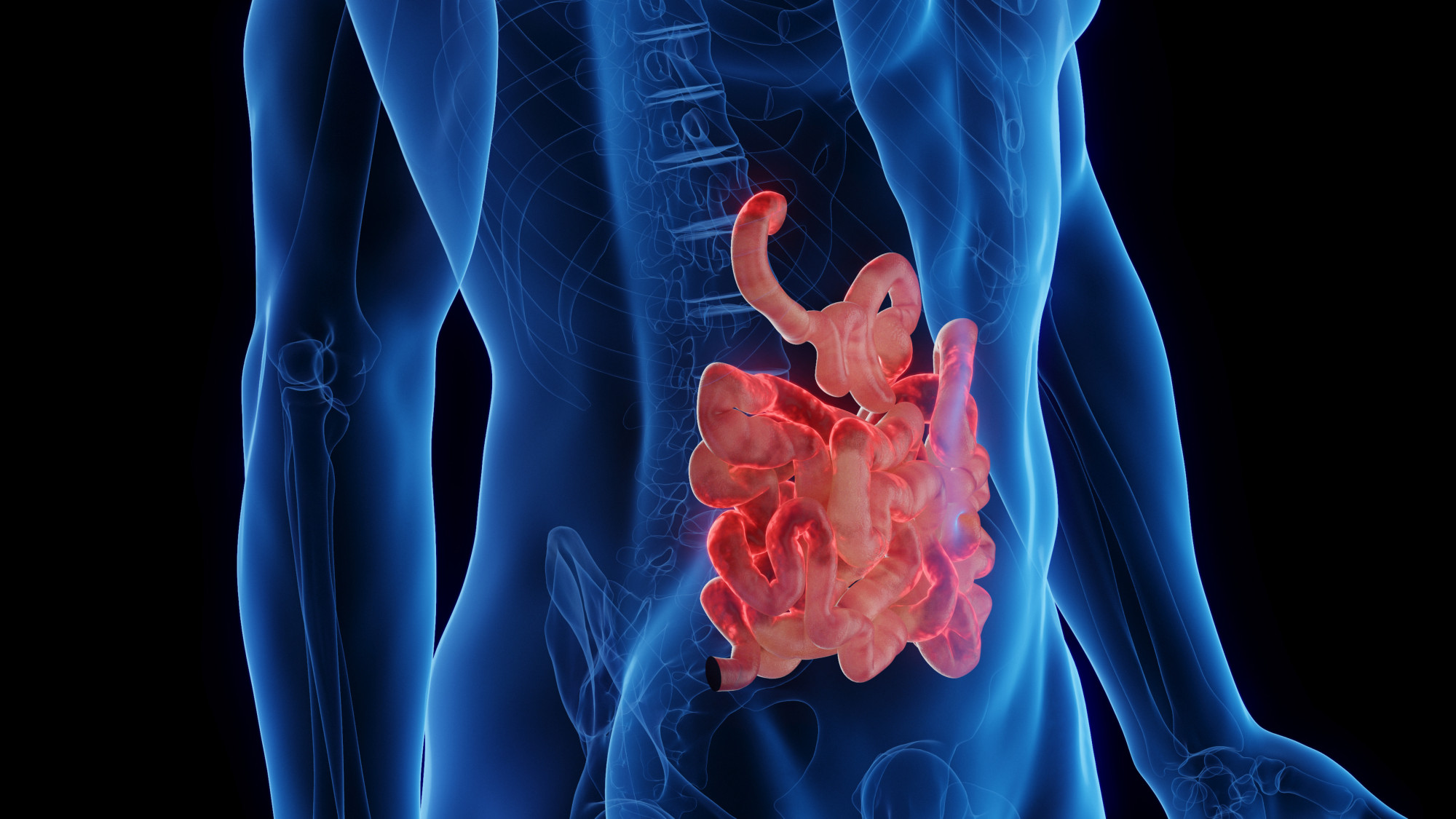
A colonoscopy is an examination that directly observes the entire colon and rectum, and if necessary, performs a biopsy on the spot to check for abnormalities.
- Ages 40 and above: Regular examinations are recommended even without symptoms.
- If there is a family member with colorectal cancer: It is advisable to start examinations from your 30s even if you have no specific symptoms.
Colorectal diseases are significantly influenced by family history, so if you have a family history, starting examinations earlier is a safer choice. The specific examination frequency may vary depending on whether polyps are found and your individual condition, so you can discuss it with your doctor after the examination.
Signs That an Examination Is Needed Even If It's Not Time Yet
Even if it's not time for your regular examination, if you experience the symptoms below, you should visit the clinic without delay to check the condition of your intestines.
- Bleeding from the anus or intestinal tract (bloody stools)
- Chronic diarrhea of unknown cause, persistent lower abdominal pain
- Sudden changes in bowel habits such as constipation or diarrhea
- A family history of colorectal cancer or suspected inflammatory bowel disease
These signs could be warnings from your intestines. Since it's difficult to determine the cause based on symptoms alone, a direct endoscopic examination is necessary.
Pre-Examination Preparation: A Checklist by Timeframe
For clear visualization of even tiny polyps, the intestines must be thoroughly emptied. Therefore, pre-examination preparation significantly affects the accuracy of the examination.
| Timeframe | Preparation |
|---|---|
| 5 days before examination | If taking aspirin or anticoagulants, discuss with your doctor and discontinue use due to the risk of bleeding during biopsy and polyp removal. |
| 3 days before examination | Avoid fruits with seeds (e.g., melon, kiwi, strawberries, watermelon), tough vegetables, seaweed (e.g., gim, miyeok), multi-grain rice (e.g., brown rice, black rice), sesame seeds, corn. |
| Day before examination | Have a light dinner around 6 PM, consisting of soft foods like porridge. |
Seeds and multi-grain rice can adhere to the colon wall and cause misdiagnosis, so particular caution is needed. If you are curious about the examination procedure, you can check the process in advance via Examination Guide.
When Choosing a Clinic for Your Examination, Check These Points
Even for the same colonoscopy, the quality of the examination can vary depending on where you receive it. There are four items to check:
- Equipment: Does the clinic have high-grade endoscopic equipment, such as Olympus HQ290, which enhances early detection rates?
- Same-day polyp removal: Can polyps found during the examination be removed immediately without referral to a higher-level hospital?
- Safety of sedation examination: Is safety confirmed with an electrocardiogram and chest X-ray before using sedative medication?
- Hygiene: Is infection prevention thorough, including the use of disposable mouthpieces and operation of endoscope cleaning and disinfection machines?
On the day of a sedation examination, for safety, you must be accompanied by a guardian and avoid driving.
While the preparation process may seem a bit cumbersome, a colonoscopy is a reliable method for early detection and prevention of colorectal diseases. Please check your examination timing based on your age and family history, and take care of your intestinal health without delay. By checking our Clinic Hours Guide before your visit, you can receive consultation comfortably without waiting.
Inquire via chat if you have any questions
Dr. Kim Seonhoo (Specialist in Gastroenterology, Specialist in Gastrointestinal Endoscopy) · Medical Staff Introduction · Last reviewed 2026-08-06