

When you feel a tight, stuffy sensation in your upper abdomen after eating, and experience frequent burping, it's easy to dismiss it as indigestion. While overeating or eating too quickly are often the culprits, if these symptoms recur, it could be a signal from conditions such as impaired gastric function, gastritis, 담적 (Damjeok), or reflux esophagitis. This article outlines the reasons for abdominal bloating, self-care measures you can try, and criteria for when a hospital visit may be necessary.
Lifestyle Causes of Abdominal Bloating
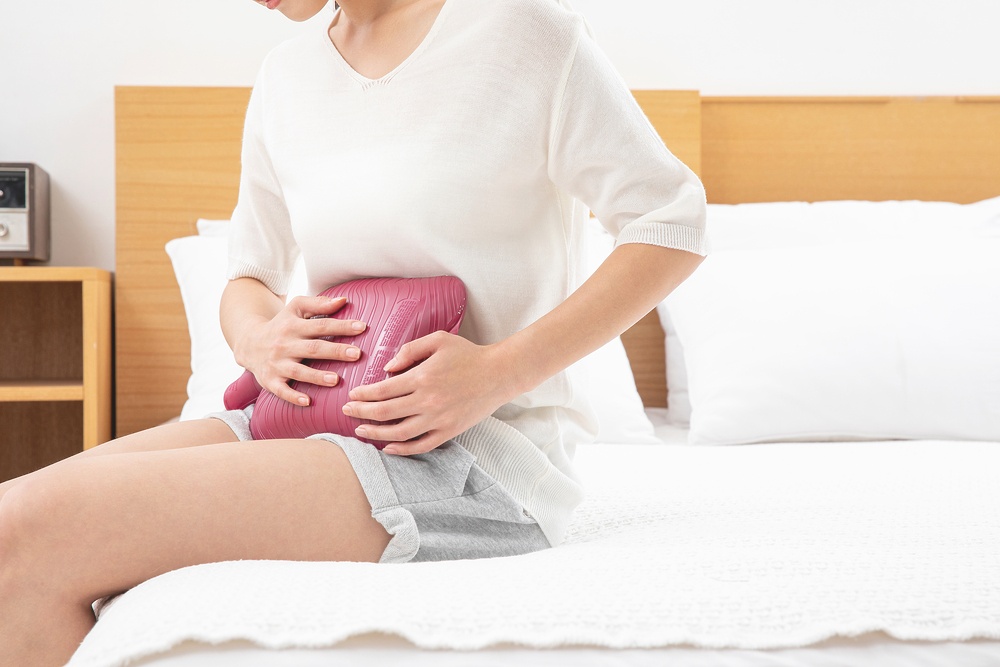
When symptoms recur, the first thing to check is your eating habits and lifestyle patterns.
- Overeating, eating too quickly: Swallowing food rapidly can lead to air entering the stomach, causing gas. Also, digestive enzyme secretion may not keep up, slowing down digestion.
- Greasy and irritating foods: Fried foods and high-fat foods remain in the stomach for a long time, causing bloating.
- Stress and lack of sleep: These can reduce gastric motility, making it easy for food to remain stagnant and not move down.
- Lack of exercise: Slowed gastrointestinal motility can prolong digestion time and worsen abdominal distension.
Since these minor habits accumulate and put a strain on your stomach, it's best to regard recurring indigestion and upper abdominal pain as a signal to review your overall lifestyle.
What You Can Try When You Suddenly Feel Stuffy in Your Upper Abdomen
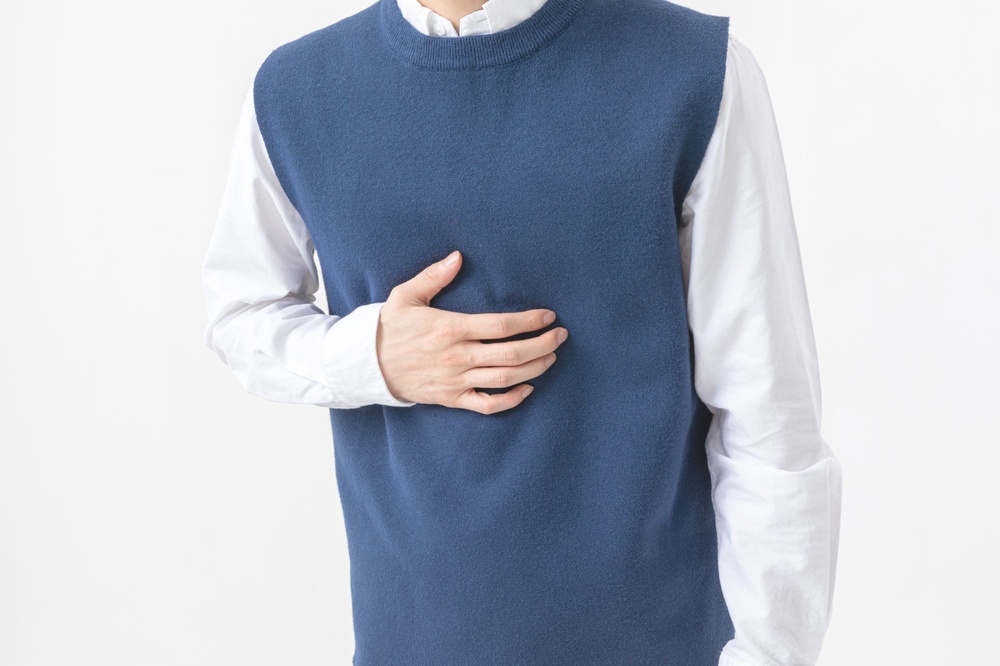
- Slowly drink warm water: Cold water can constrict stomach muscles and worsen symptoms, whereas warm water can gently relax the stomach and aid digestion.
- Warm compress on the abdomen: Placing a warm compress pack or towel on the upper abdominal area can improve blood flow to the stomach, potentially easing the stuffy sensation.
- Light walk and abdominal massage: When you experience frequent burping or a gassy feeling, gently massaging your abdomen in a clockwise direction can also be helpful.
Actions That Can Worsen Symptoms
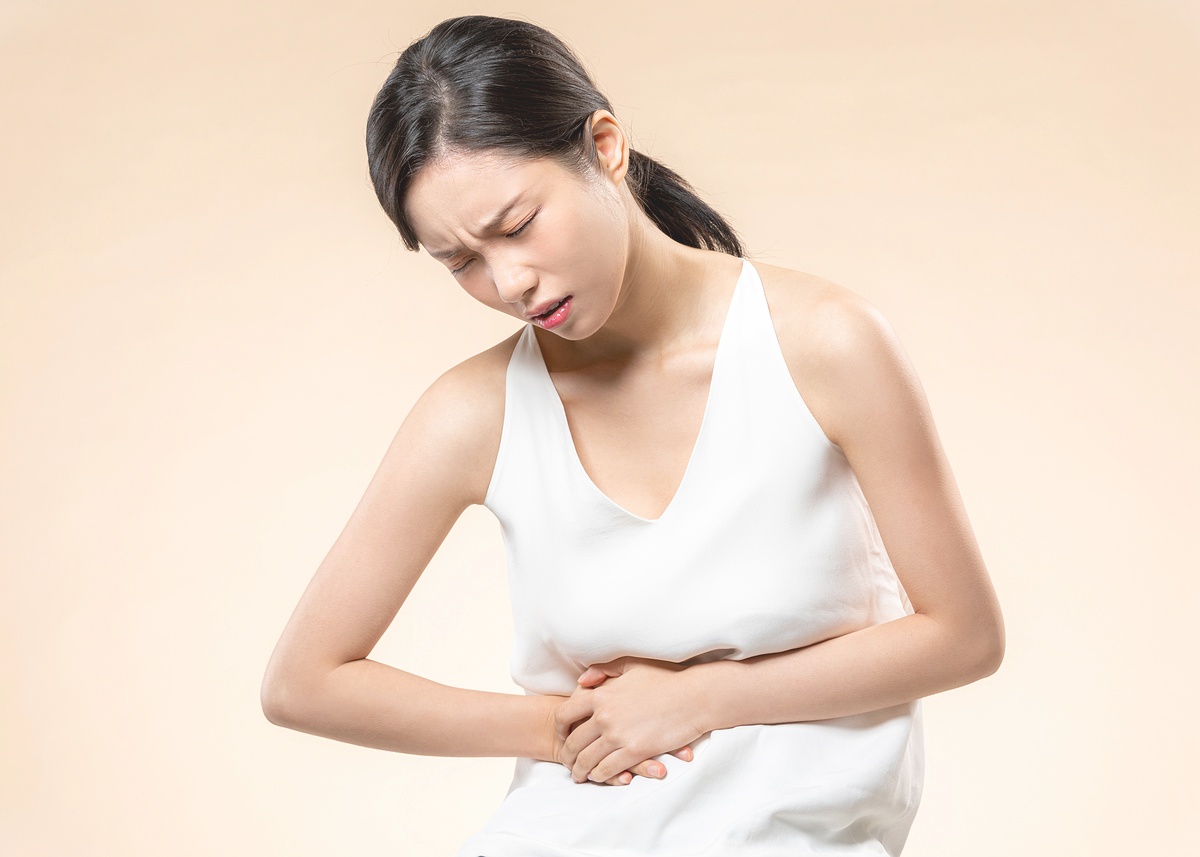
Carbonated drinks and digestive aids, commonly sought when feeling bloated, are closer to temporary solutions.
| Common Action | Reason to Avoid |
|---|---|
| Carbonated drinks | Can increase gas in the stomach, potentially worsening bloating |
| Repeated use of digestive aids | Can disrupt gastric acid secretion, potentially reducing digestive power |
| Lying down immediately after eating | Stomach contents may not descend, worsening the stuffy feeling |
After meals, it's recommended to sit and rest for at least 30 minutes, maintaining a slightly upright posture. This allows stomach contents to descend naturally, promoting smooth digestion.
Recurring Bloating: Start with Dietary Correction
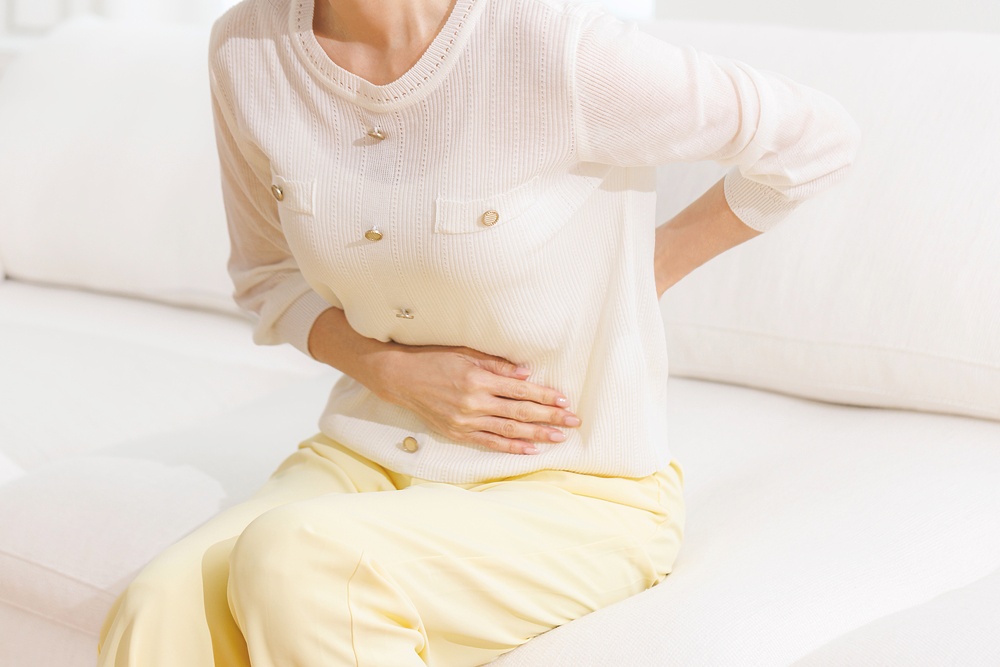
- Instead of eating a lot at once, eat small portions frequently, chewing thoroughly before swallowing.
- Reduce caffeine, alcohol, and greasy foods, as they can irritate the stomach lining.
- Aid gastrointestinal motility with light stretching or walking after meals.
- Skipping breakfast and late-night snacks can disrupt the rhythm of gastric acid secretion, so maintain regular meal times.
When a Hospital Visit Is Necessary
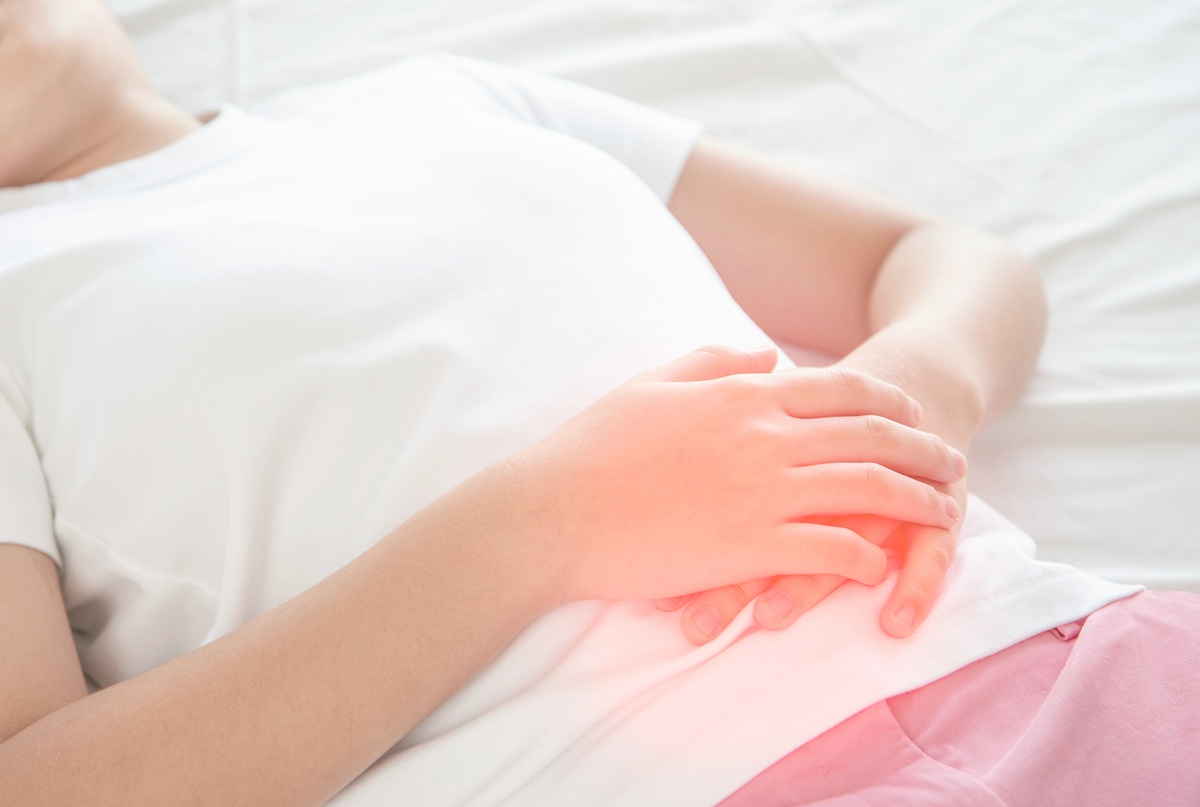
If abdominal bloating symptoms persist for more than a week, or if accompanied by abdominal pain, vomiting, or loss of appetite, an internal medicine consultation is necessary. In such cases, it's important to check for the possibility of gastritis, 담적 (Damjeok), gastroesophageal reflux disease, or functional dyspepsia, rather than just simple indigestion. Especially if indigestion and upper abdominal pain are accompanied by heartburn or weight loss, the priority is to find the exact cause through a gastroscopy. Information on preparation and procedures for the examination can be found in the Examination Guide.
Abdominal bloating symptoms may not just be a simple discomfort. If they recur, it could be a warning sign from your body, so it's advisable to review your lifestyle habits and, if necessary, not delay seeking medical attention. Symptoms and progression may vary by individual. Before your visit, please refer to the Clinic Hours Information.
#IndigestionUpperAbdominalPain
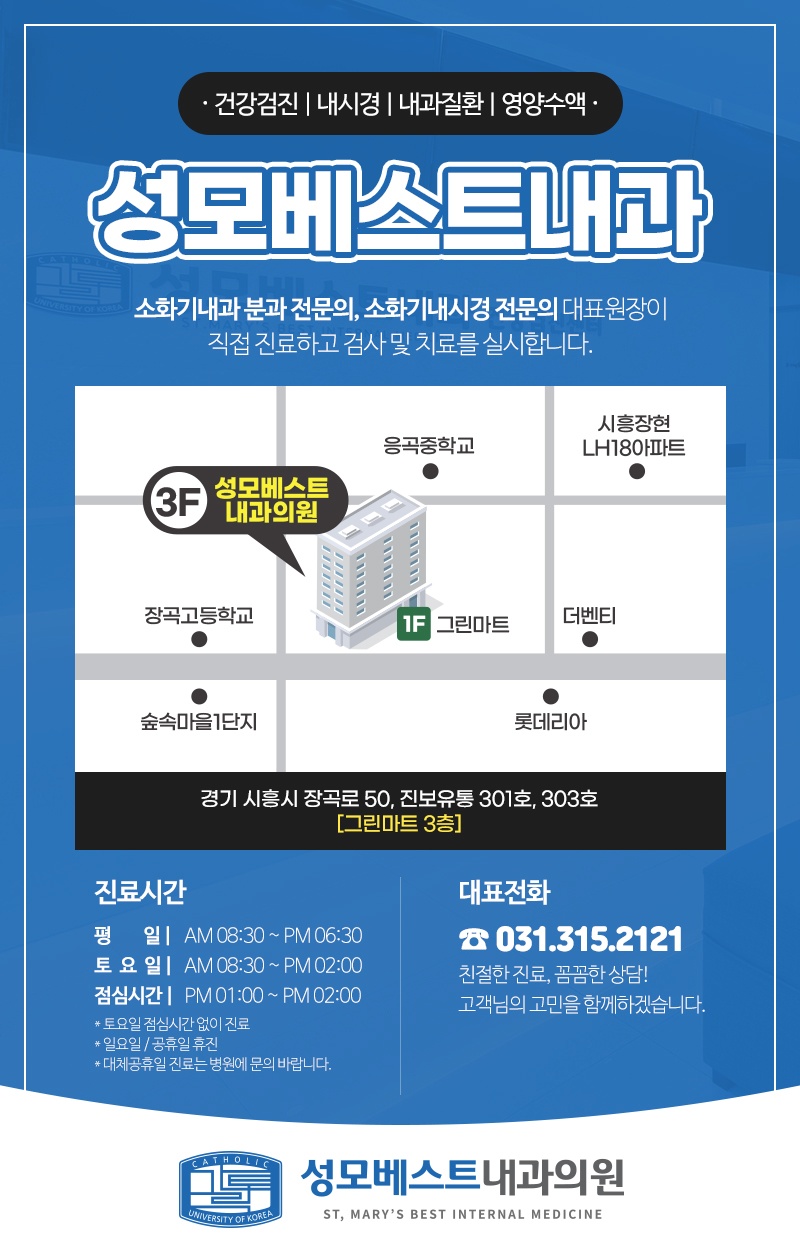
Feel free to inquire via chat if you have any questions
Dr. Kim Seonhoo (Specialist in Gastroenterology, Specialist in Gastrointestinal Endoscopy) · Meet Our Medical Team · Last reviewed 2026-08-06