


Hello, this is Sungmo Best Internal Medicine, providing medical care in Siheung-si. Surprisingly, many people visit our clinic after receiving their health check-up results and being surprised by the unfamiliar notation of 'pre-diabetes (impaired fasting glucose)'.
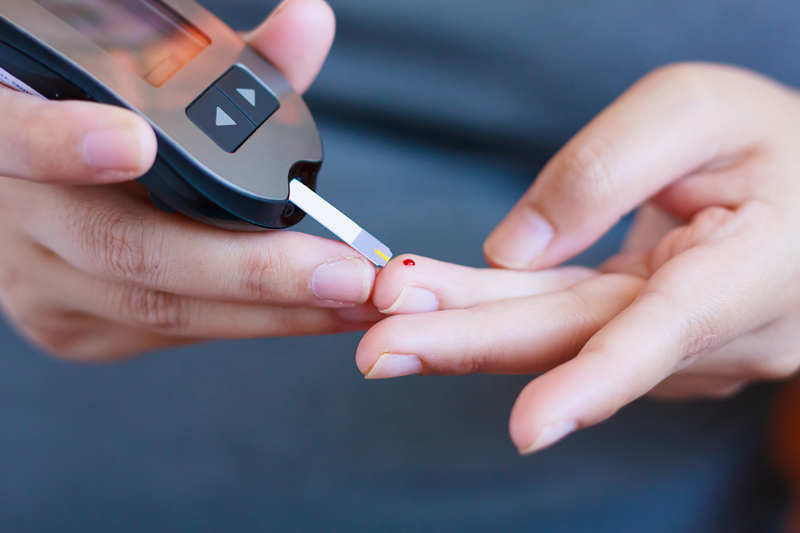
"My blood sugar is a little high, but they said it's not diabetes," "Should I just monitor it?" These are questions we hear almost every day in the consultation room. Pre-diabetes is common, but it's also a condition that is rarely properly understood and managed. Today, from the perspective of our internal medicine staff, we will explain what pre-diabetes is, why it shouldn't be taken lightly, and how to manage it to return to normal blood sugar levels.
What is Pre-diabetes?
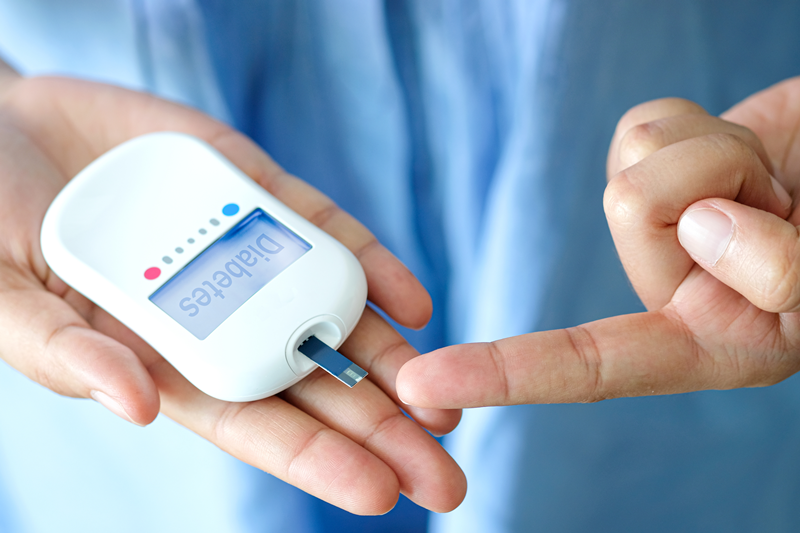
As the name suggests, it means that blood sugar levels are higher than normal, but not yet high enough to be diagnosed with diabetes. The diagnostic criteria we provide in our internal medicine clinic in Siheung-si are the following two:
| Category | Diagnostic Criteria | Notes |
|---|---|---|
| Impaired Fasting Glucose (IFG) | Fasting blood sugar 100-125mg/dL | Normal is less than 100mg/dL, 126mg/dL or more is diabetes |
| Impaired Glucose Tolerance (IGT) | 2 hours after 75g oral glucose tolerance test 140-199mg/dL | 200mg/dL or more is diabetes |
If either of these criteria is met, it is diagnosed as pre-diabetes. Even if your test result was "not diabetes," it should be interpreted as a sign that the insulin function regulating blood sugar is already under considerable strain.
Why Shouldn't It Be Taken Lightly?
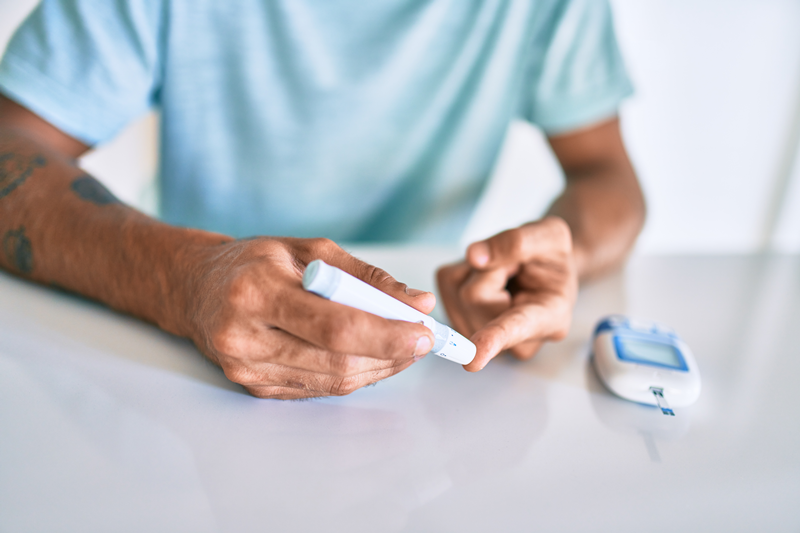
Pre-diabetes is not just a warning light; it is already part of the process leading to diabetes.
- Approximately 70% progress to actual diabetes within 10 years: The progression speed increases if you are obese, have a family history, have poor eating habits, or lack exercise.
- Increased risk of cardiovascular disease: High blood sugar can damage blood vessel walls, increasing the risk of atherosclerosis, high blood pressure, and stroke.
- Possible start of organ damage: Diabetic nephropathy (kidney damage), diabetic retinopathy (abnormalities in eye blood vessels), and peripheral neuropathy (numbness/pain) can gradually appear even in the pre-diabetic stage.
- Difficult to feel safe just by one check-up number: It is common for fasting blood sugar to be normal while post-meal blood sugar or HbA1c is high.
Thinking 'it's okay because it's not diabetes yet' can actually cause you to miss the opportunity for active management.
The Hope of Being Reversible
The hopeful part is that pre-diabetes is a 'reversible state' where normal blood sugar levels can be restored with active lifestyle improvements. However, vague resolutions or temporary diets are difficult, and specific goals and action strategies are needed.
1. Reduce Insulin Resistance Through Weight Loss
The goal is to lose 5-7% of your current body weight. For example, if you weigh 70kg, that's about 3.5-5kg. Since insulin resistance worsens with more visceral fat, weight loss focused on the abdomen is particularly important.
2. Prevent Blood Sugar Spikes Through Dietary Improvement
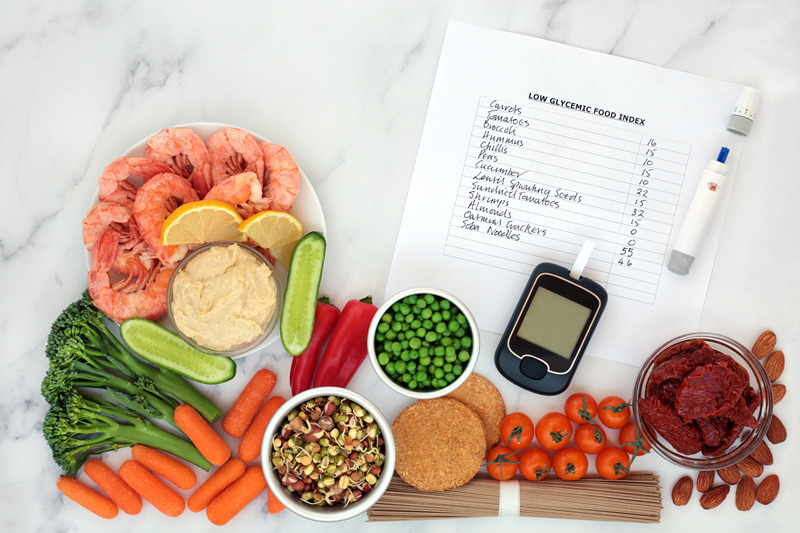
- Reduce refined carbohydrates: Limit intake of white rice, flour, and simple sugars.
- Focus on low glycemic index (GI) foods: Brown rice, oats, vegetables, and fiber-rich foods.
- Reduce snacks and late-night meals, maintain regular meal times.
- Replace beverages with water or unsweetened tea.
Beware of hidden sugars in fruit juices, yogurts, and cereals.
3. Combine Aerobic and Strength Training
Add lower-body focused strength training 2-3 times a week to aerobic exercise (walking, cycling, swimming, etc.) for 30 minutes or more, 5 or more times a week, to increase muscle mass. This helps improve insulin sensitivity, and the blood sugar lowering effect immediately after exercise can last for several hours to more than a day. Of course, this may vary from person to person.
4. Regular Blood Sugar and Complication Tests
Comprehensive follow-up management is needed, including not only fasting blood sugar but also HbA1c, 2-hour post-meal blood sugar, lipid panel, and microalbuminuria test (kidney function). In cases with a family history, medication may need to be combined from the start. You can check what tests to get and how to get them in our Test Information.
When Medication May Be Considered
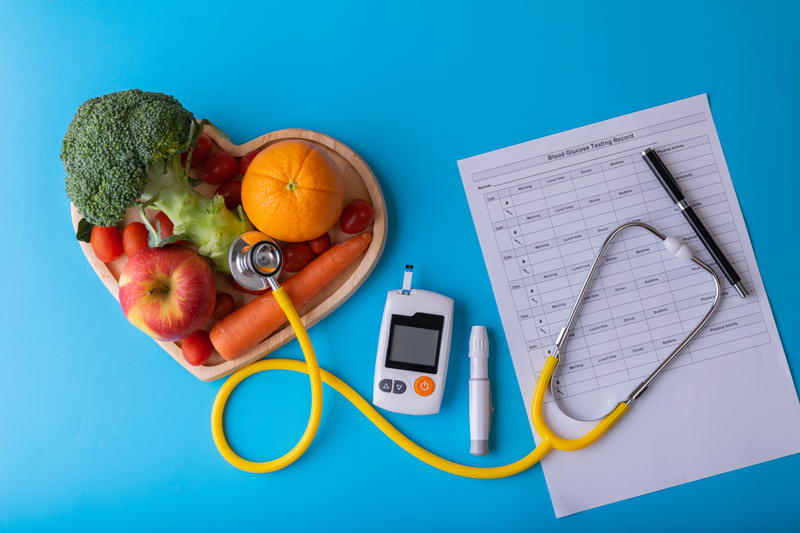
Not everyone with pre-diabetes needs medication. However, it may be considered if any of the following apply:
- No improvement in numbers after 3-6 months of lifestyle changes.
- Severe obesity with a BMI of 30 or higher.
- High HbA1c between 6.0-6.4%.
- High-risk group for cardiovascular disease, such as high blood pressure, hyperlipidemia, or smoking.
In these cases, a strategy of short-term use of oral hypoglycemic agents like metformin is used to control blood sugar and preserve pancreatic function.
At the Crossroads, What to Do Now
Pre-diabetes is a crossroads where you can either progress to diabetes or return to normal. The direction is determined not by complex genes or specific treatments, but by current lifestyle habits. Your body has already sent a signal saying, "Please start managing now."
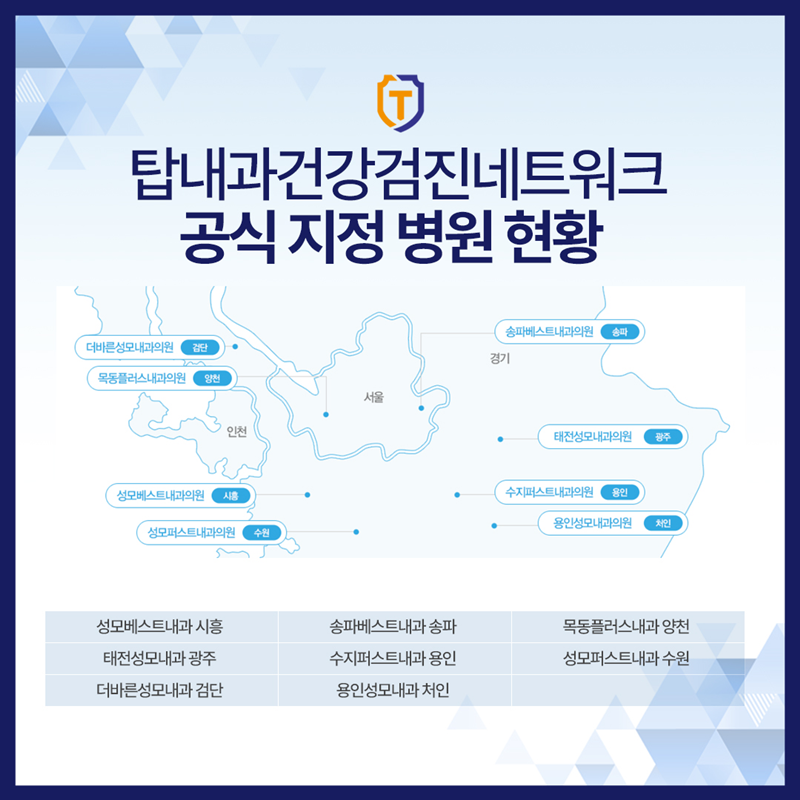
Before it's too late, getting a clear diagnosis, reviewing your lifestyle, and setting a realistic action plan is the most reliable preparation to prevent the progression to diabetes. Sungmo Best Internal Medicine will work with each patient to prevent and provide early treatment for diabetes through examinations and continuous consultations. Before your visit, please refer to our Clinic Hours Information.
Thank you.



If you are concerned about your blood sugar levels, please feel free to inquire via chat
Dr. Kim Seonhoo (Specialist in Gastroenterology, Specialist in Gastrointestinal Endoscopy) · Medical Staff Introduction · Last reviewed 2026-08-06