


As delivery food, instant meals, and stimulating dishes become part of daily life, more people are visiting hospitals for gastritis, stomach ulcers, and esophagitis. The problem is that diseases with high incidence rates in Korea, such as stomach cancer and esophageal cancer, often have almost no early symptoms. Siheung Janghyeon Internal Medicine systematically manages these gastrointestinal diseases, focusing on endoscopic examinations.
Heartburn and Indigestion: Can They Be Ignored?
Heartburn, indigestion, nausea and vomiting, abdominal pain, and general fatigue. These may seem like common digestive discomforts, but they could actually be signs of the following conditions:
- Gastritis, stomach ulcers
- Functional dyspepsia
- Helicobacter pylori infection
In particular, Helicobacter pylori is associated with the development of stomach cancer, yet most cases are asymptomatic, making it difficult to detect on your own. This is why regular gastroscopy is necessary for early detection.
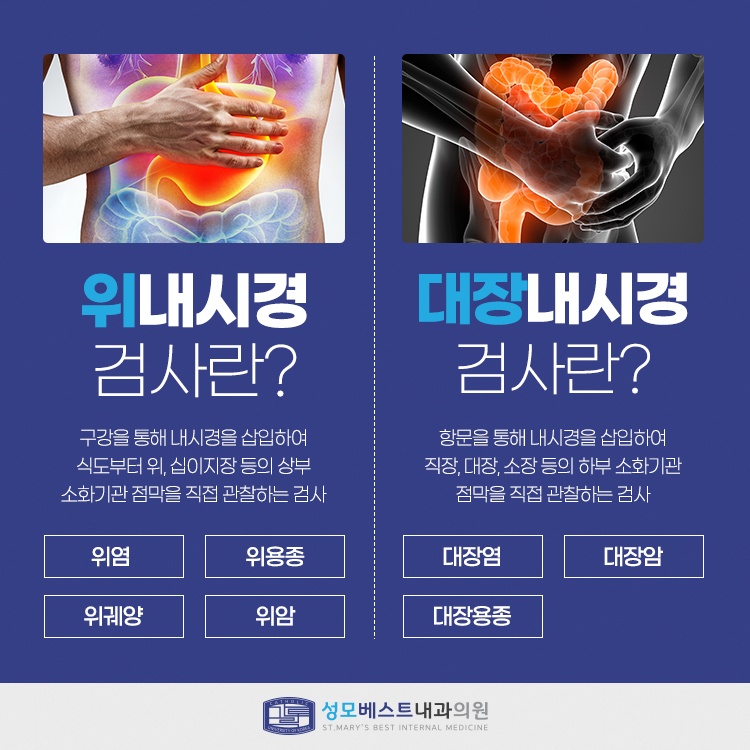
What is Gastroscopy?

Gastroscopy is an examination where an endoscope with a special camera is inserted through the mouth to observe the mucous membranes of the esophagus, stomach, and duodenum in real-time. If you are concerned about pain, you can undergo a sedated endoscopy in a relaxed state. For elderly individuals or those with chronic diseases, a general endoscopy may be safer, so it is advisable to consult with medical staff first. If you are curious about the examination process, you can check the procedures in advance at Examination Guide.
What Can Be Confirmed Through the Examination
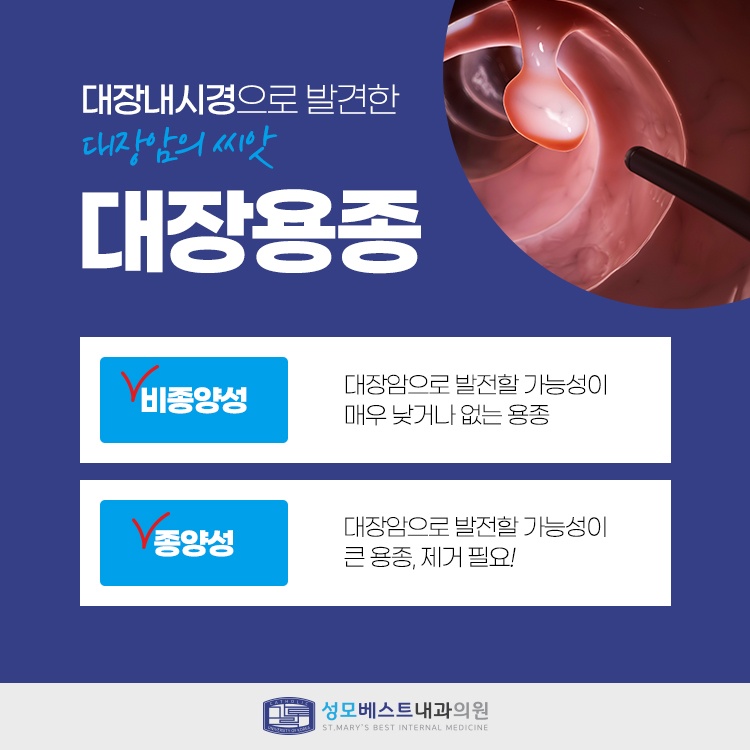
- Gastritis, stomach ulcers, esophagitis
- Presence of Helicobacter pylori infection
- Early detection of early-stage stomach cancer, esophageal cancer
Another advantage is that if abnormal findings are observed, a biopsy can be performed immediately, allowing for the prompt establishment of a treatment plan.
When and How Often Should I Get Examined?
| Target Group | Recommendation |
|---|---|
| Individuals aged 40 and over | Once every two years, in conjunction with national health screenings |
| Individuals with a family history of gastrointestinal disease | Voluntary examination even if not in the recommended age group |
| Individuals with persistent upper gastrointestinal symptoms | Examination recommended regardless of age |
More Precise with AI Endoscopy
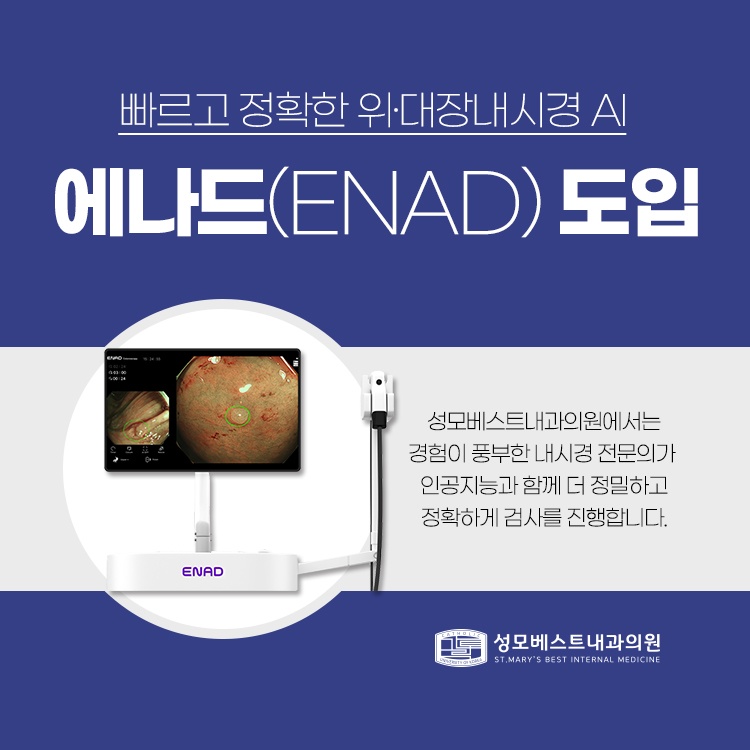
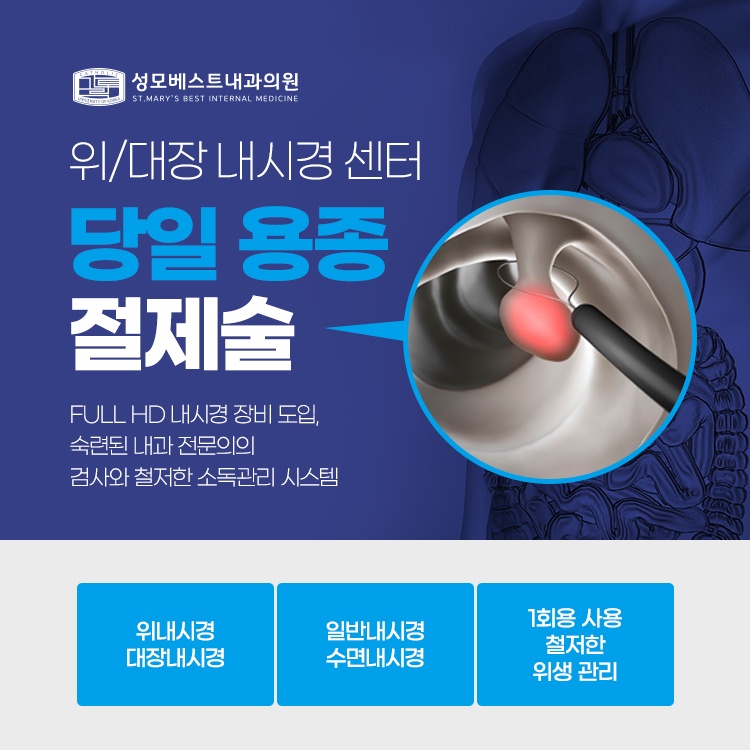
Siheung Janghyeon Internal Medicine conducts examinations using AI-based endoscopic equipment. The AI analyzes examination images in real-time to mark lesions and abnormal findings, and it enhances diagnostic precision based on extensive image data.
Preparations Before the Examination

- No food or drinks from the evening before the examination
- Adjust medications being taken after consulting with medical staff
- No driving or dangerous work on the day of sedated endoscopy
- Get sufficient rest after the examination
Endoscopic Examination at Siheung Janghyeon Internal Medicine
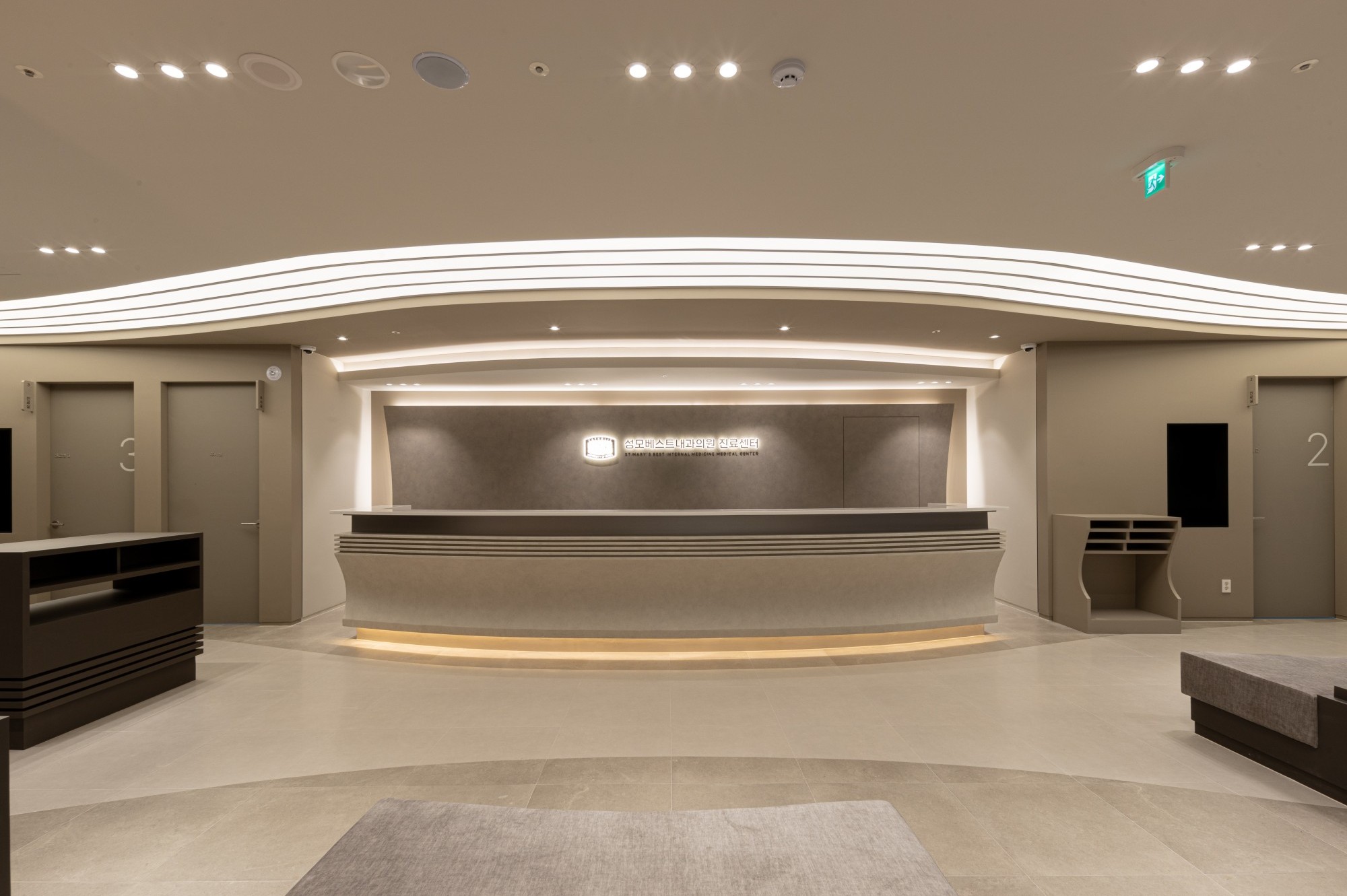
Experienced gastroenterology specialists directly perform endoscopies, and based on the results, personalized treatment and management are provided. A safe examination environment is maintained through thorough equipment sterilization and hygiene management. In addition to gastroscopy, colonoscopy and ultrasound examinations can also be received on the same day. You can reduce waiting time by checking Clinic Hours and making a reservation before your visit.
Regular endoscopic examinations are the starting point for preventing and early detection of gastrointestinal diseases. If you wish to consistently manage your digestive health in Siheung, Siheung Janghyeon Internal Medicine will be with you.
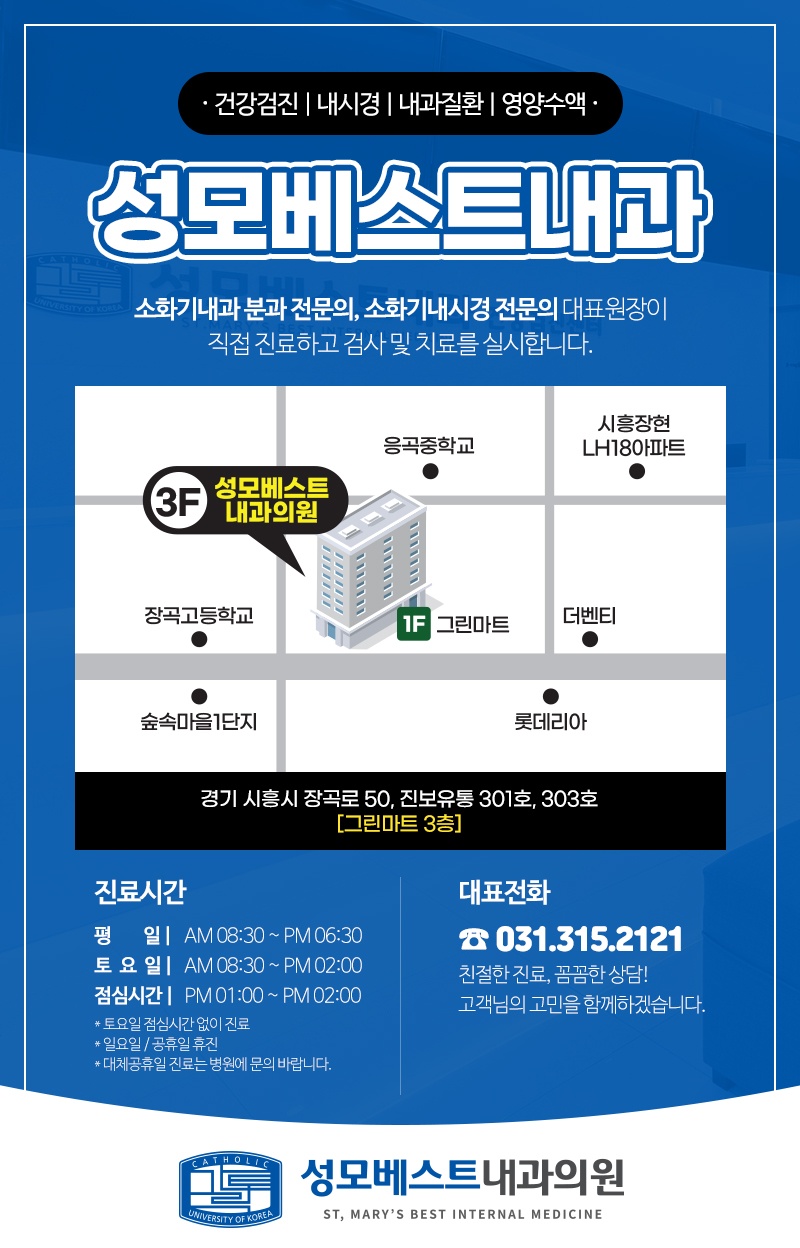
If you have questions about endoscopic examinations, feel free to inquire via chat
Dr. Kim Seonhoo (Specialist in Gastroenterology, Specialist in Gastrointestinal Endoscopy) · Meet Our Medical Team · Last reviewed 2026-08-06