

We often receive questions from patients preparing for a colonoscopy. "Can I drink coffee?", "Gum and candy aren't swallowed, so aren't they okay?" Many people don't know exactly how a single drink or a piece of gum for a mood change can affect the examination. So today, based on frequently asked questions at Sungmo Best Internal Medicine in Siheung, we've compiled the essential precautions regarding coffee, water, gum, and candy before a colonoscopy.

Why is it so important to be careful about what you eat?
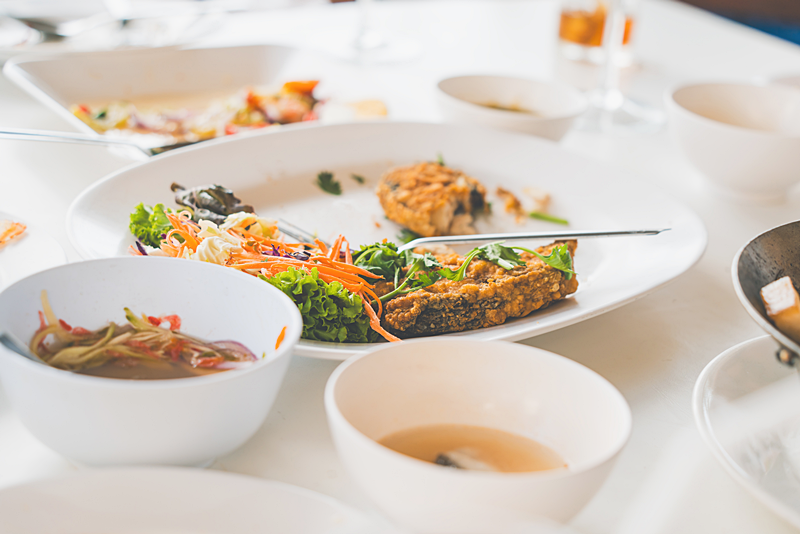
Though seemingly minor, these small actions can reduce the quality of the examination and even lead to the inconvenience of re-examination. A colonoscopy directly observes the inside of the large intestine with a camera. If residual matter remains in the bowel, it's easy to miss small lesions or subtle bleeding, the examination time lengthens, and accurate interpretation becomes difficult.
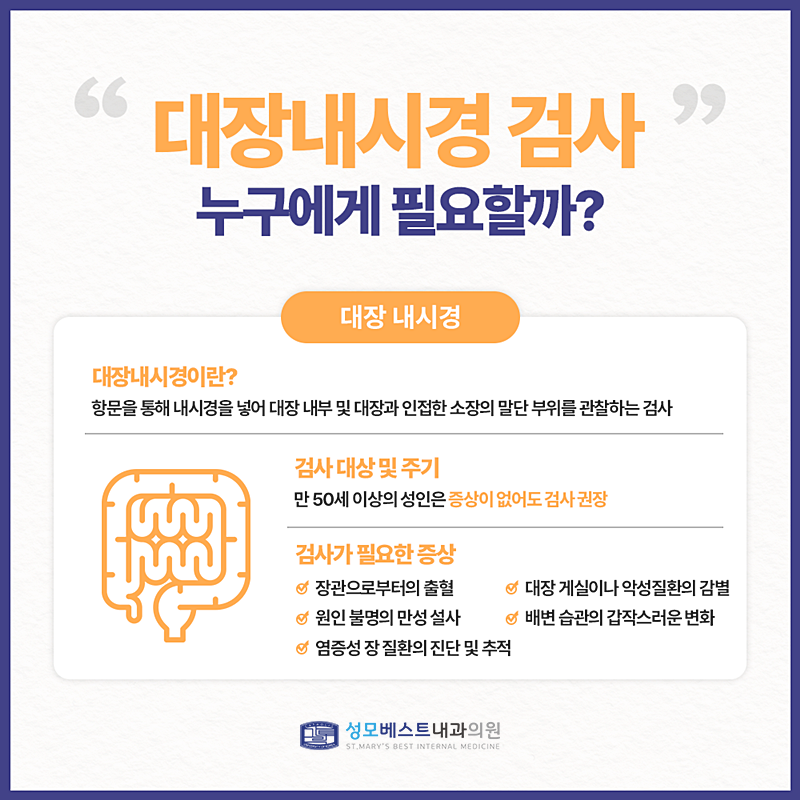
Therefore, there are two basic principles:
- Avoid foods that leave residue in the bowel for 2-3 days before the examination.
- On the day of taking the bowel preparation solution, strictly fast and consume only water.
So, how much are common items like coffee, gum, candy, dairy products, and clear broths allowed? If you're curious about the overall flow of the examination, you might want to read the Examination Guide first.
What is allowed and restricted before the examination
| Item | Day before examination | Day of examination |
|---|---|---|
| Water (bottled water, purified water) | Fully allowed | Allowed, but may be prohibited 2-3 hours before examination |
| Coffee | Small amount of black coffee only until morning, avoid if possible | Prohibited |
| Gum, candy | Avoid if possible | Prohibited |
| Clear broth, rice porridge, sports drinks | Only those without solids are restrictively allowed | Prohibited |
| Milk, soy milk, dairy products | Avoid 2-3 days before | Prohibited |
1. Water (bottled water, purified water)
Allowed. Sufficient hydration before and after taking bowel preparation solution is important for thoroughly emptying the bowel and is even recommended. However, water may be prohibited 2-3 hours before the examination, so please be sure to follow the schedule provided by the hospital.
2. Coffee (black, mixed, with milk)
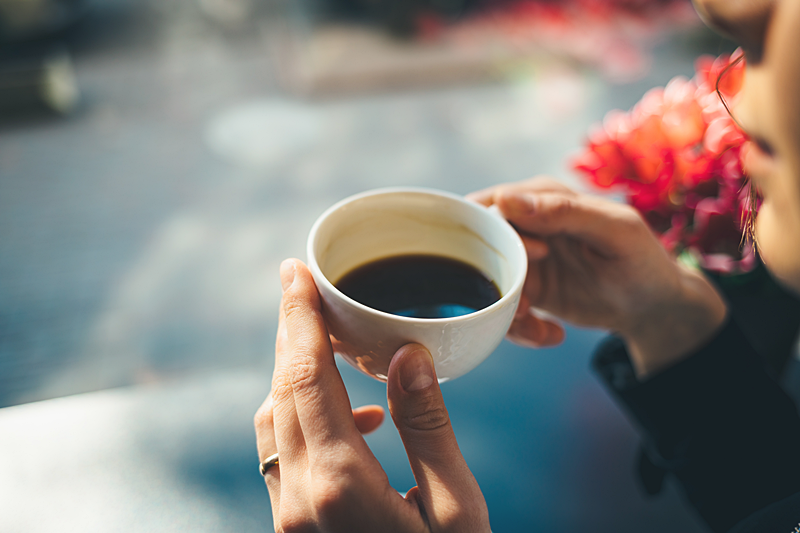
Prohibited on the day of the examination. Even black coffee can stimulate bowel movements due to caffeine, and coffee with milk or sugar can interfere with bowel cleansing, hindering mucosal observation. A small amount of black coffee may be possible until the morning of the day before the examination, but it's better to avoid it entirely as a conservative measure.
3. Gum, candy
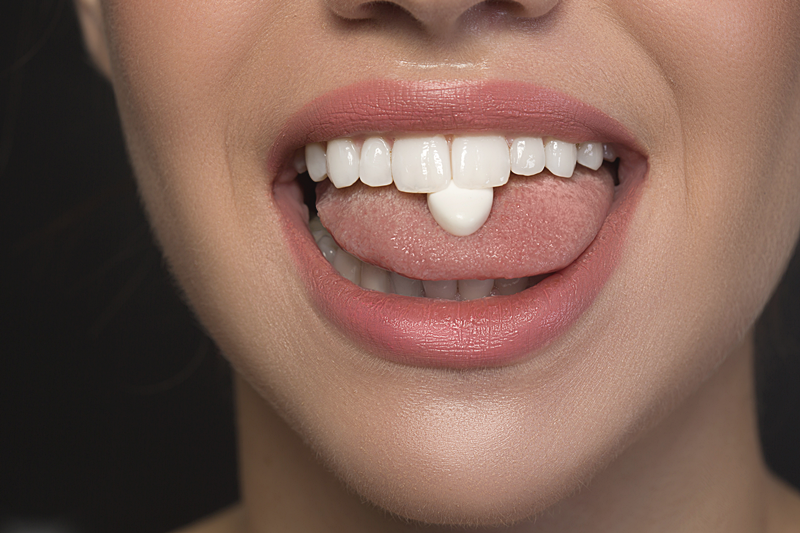
Do not consume on the day of the examination. Some people ask why gum is not allowed since it's not swallowed, but the act of chewing or sucking itself stimulates digestive fluid secretion and gastrointestinal movement. In particular, candy can be swallowed unconsciously, and products with artificial colors can remain as residue in the bowel, interfering with observation.
4. Clear broth, rice porridge, sports drinks
Partially allowed until the day before the examination. Clear broths with solids removed (such as clear seaweed soup broth, kelp-infused water, etc.) may be restrictively allowed as a substitute for dinner. However, on the day of the examination, even colored liquids can obscure the results, so it's best to refrain from beverages other than water.
5. Milk, soy milk, dairy products
It is recommended not to consume these 2-3 days before the examination. Unabsorbed lactose can cause intestinal gas, which may interfere with the examination or cause discomfort.
Five common mistakes seen in clinical practice
- Eating yogurt as an evening snack the day before the examination. Dairy products, especially yogurt, are prohibited foods that can remain in the bowel even in small amounts.
- Drinking Americano out of habit. Caffeine and acidic components induce gastric acid secretion, so it is prohibited.
- Frying eggs when unable to resist hunger. Eggs are only allowed in boiled form until the morning of the day before, and oil-cooked forms should be avoided.
- Eating rice mixed with water instead of porridge. White porridge is allowed, but rice with intact grains may not be digested and can remain in the bowel.
- Unconsciously putting a piece of candy in your mouth. This can cause problems during the examination.
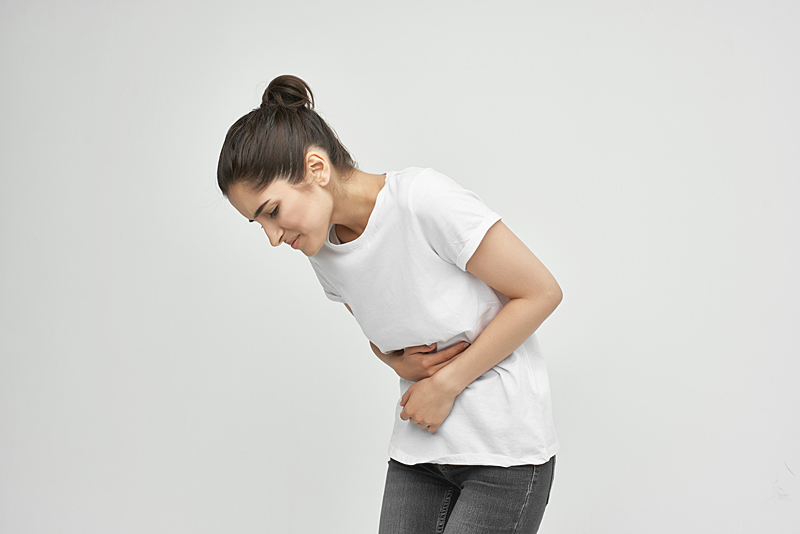
A single guideline when you're confused
If it's difficult to manage coffee, candy, and gum before a colonoscopy, we recommend preparing a meal plan in advance and posting it on the refrigerator for reference. When in doubt about the rules, use "prohibited except for clear liquids" as your guide. If something can be swallowed and can remain in the bowel, postponing it until after the examination is the safer choice.
The reliability of colonoscopy results varies greatly depending on the state of bowel cleansing. If there is a lot of residue and the examination is difficult, patients may need to undergo re-examination, or the sedation time may increase during a sedative endoscopy, and the insertion time into the bowel may lengthen, increasing the discomfort and burden on the patient. This is why carefulness for an "error-free examination" is more important than the complacency of "it'll be fine."
It's easy to think that a small snack won't matter because it's happening inside the large intestine, which isn't visible. However, for a colonoscopy, the state of bowel cleansing has a greater impact on the results than the equipment itself. As this examination is to accurately read small signals from the body and detect potential risks early, diligently following the medical staff's guidance for every food item and glass of water is the wisest attitude for maintaining health.
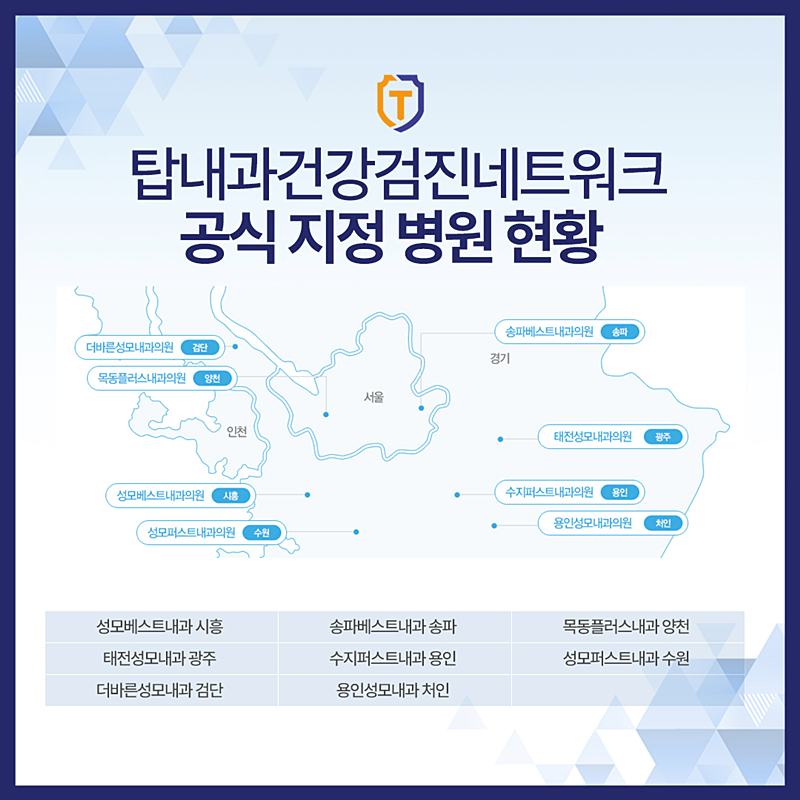
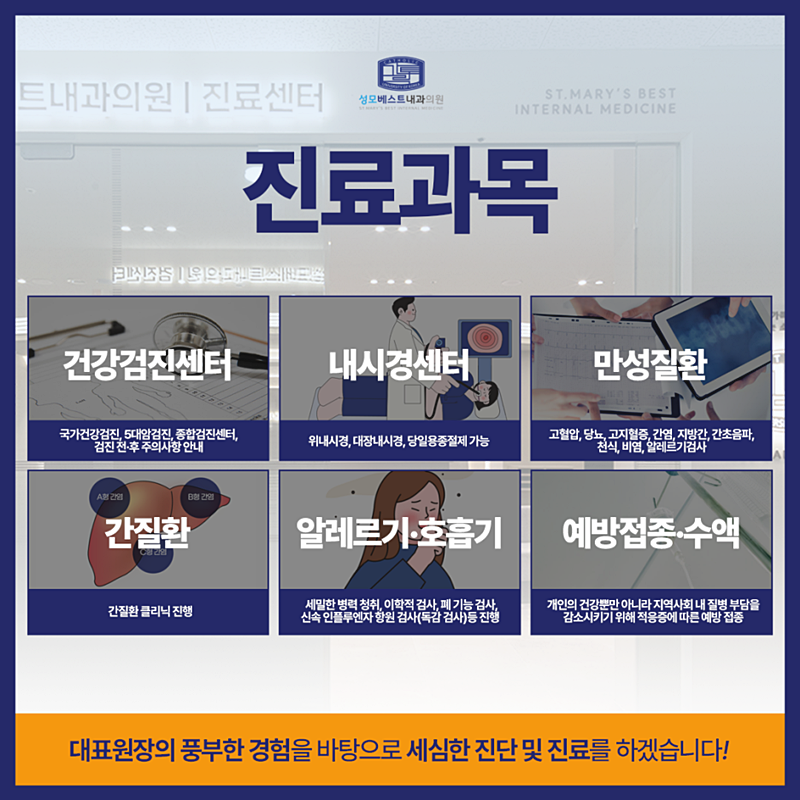
If you are preparing for a colonoscopy in Siheung or Jangok-dong, please check any questions you have before your visit. Appointment and visit schedules can be found in the Clinic Hours Information.
Feel free to inquire about colonoscopy preparation via chat

Dr. Kim Seonhoo (Specialist in Gastroenterology, Specialist in Gastrointestinal Endoscopy) · Medical Staff Introduction · Last reviewed 2026-08-06