
Sometimes, a health checkup report might show bilirubin levels higher than the standard range in the liver function section. If you've never been told you have liver problems and haven't experienced any discomfort, you might worry about what this means.
Bilirubin is one indicator of liver health, but high levels don't automatically mean liver disease. There are various possibilities, from temporary conditions to issues with the liver, bile ducts, or blood, so it needs to be considered alongside other indicators.
What This Value Means
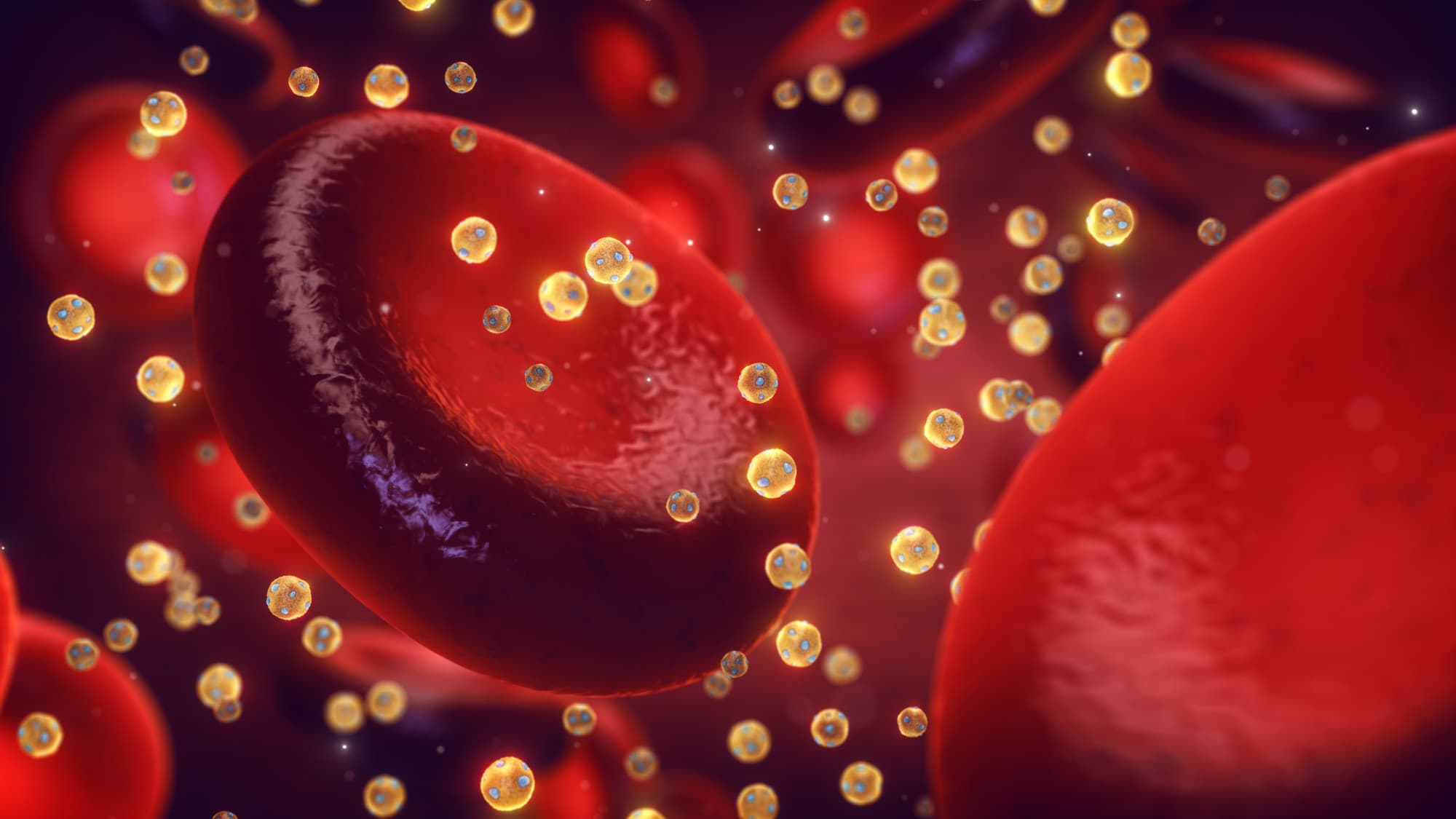
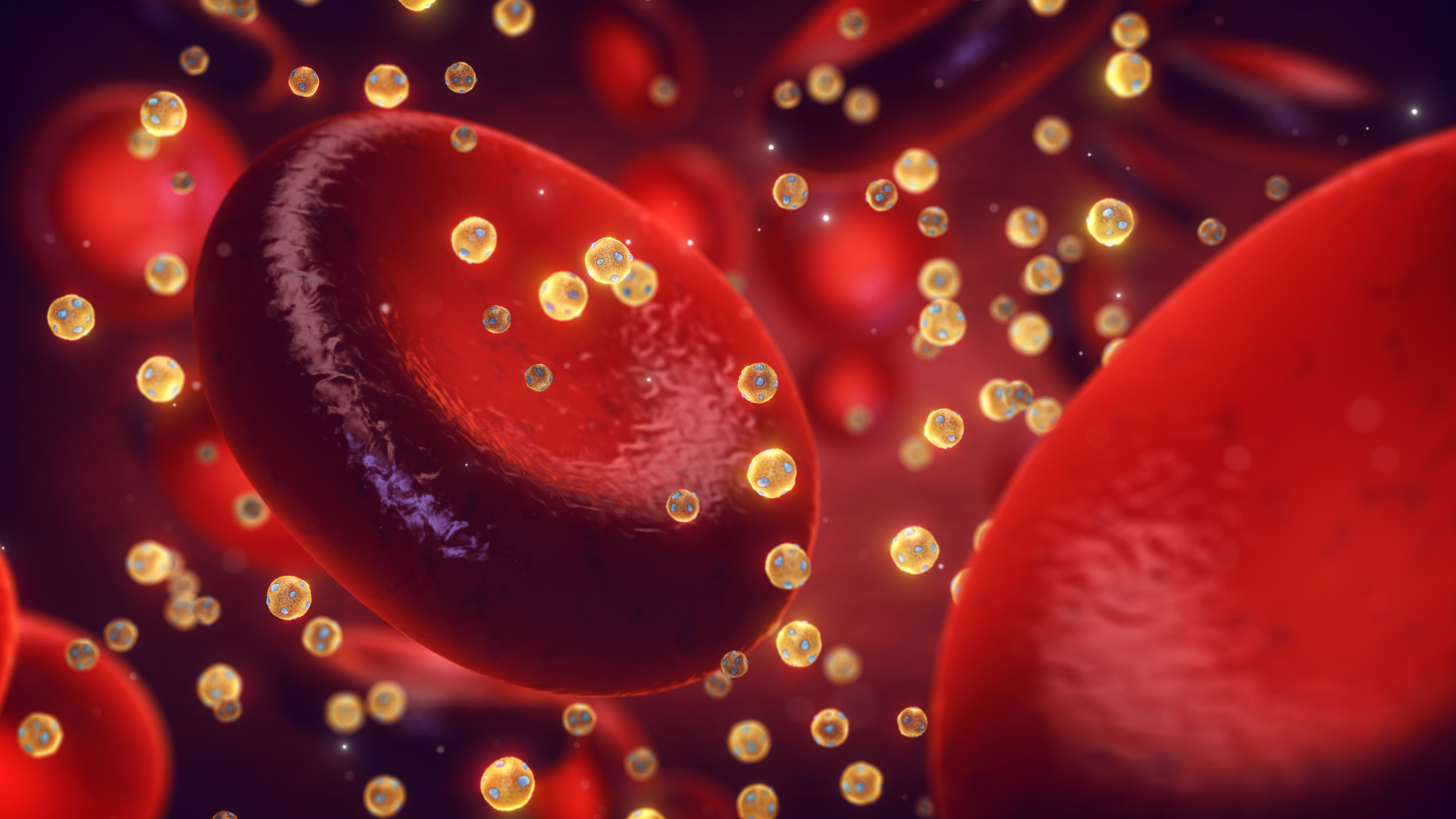
Bilirubin is a yellow pigment produced when old red blood cells break down. It travels through the bloodstream to the liver, where it is processed and then excreted from the body in bile.
Therefore, there are three points where levels can rise: if too much is produced, if the liver cannot process it, or if bile cannot drain properly. The reason total bilirubin is divided into direct and indirect bilirubin in tests is to pinpoint where the blockage might be.
Various Causes
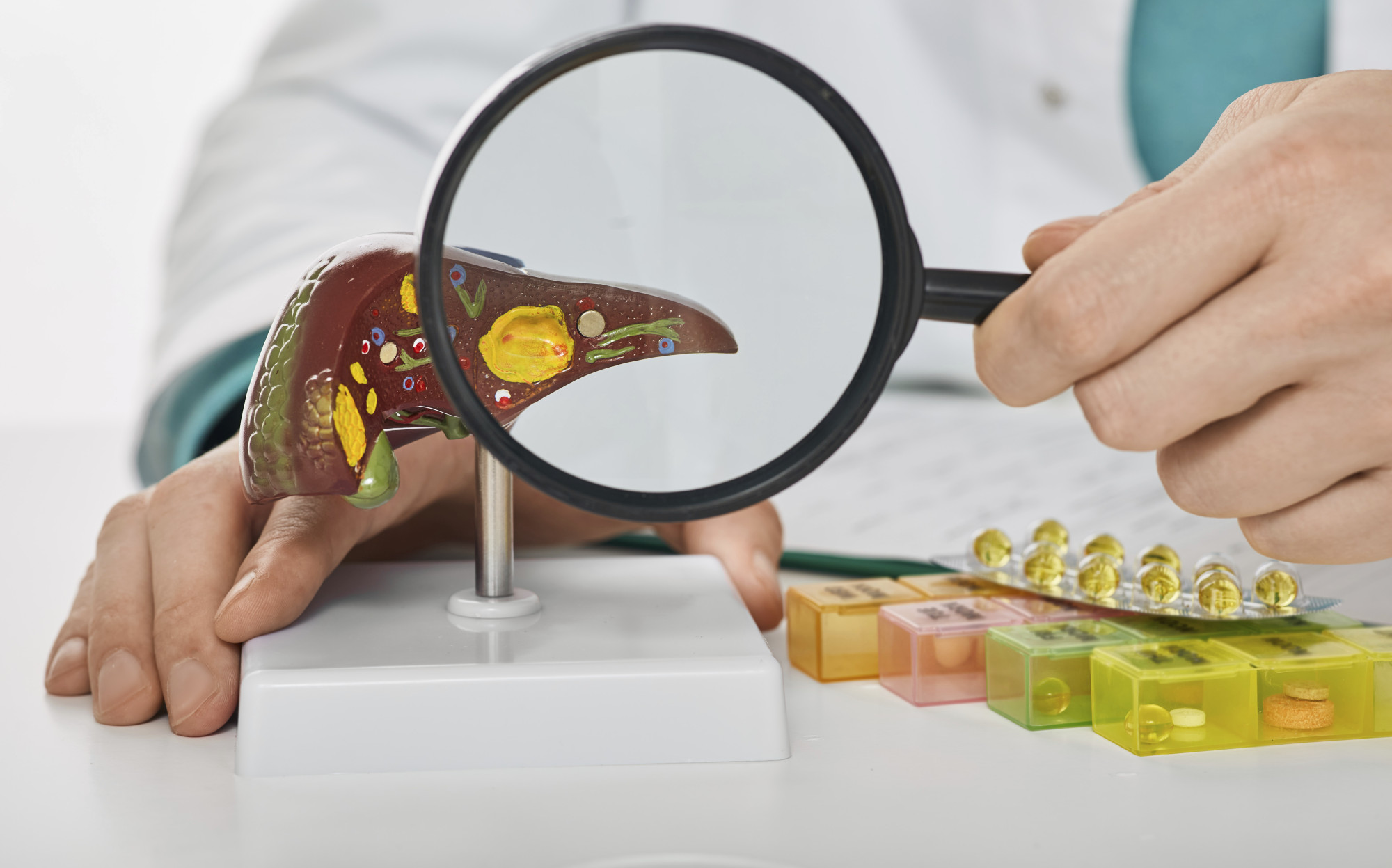
Levels can rise if the processing in the liver is delayed due to hepatitis or abnormal liver function. They can also rise if bile flow is obstructed by gallstones or bile duct problems.
On the other hand, some people consistently have high bilirubin levels while all other liver function tests are normal. This can happen in cases like Gilbert's syndrome, where the processing ability is naturally a bit lower, causing levels to rise even without liver disease. Levels can also temporarily increase due to fasting, fatigue, stress, or dehydration, so the patient's condition on the day of the test is also considered.
What to Look at Together
Do not look at this number alone; AST, ALT, and gamma-GTP should be considered alongside it. If bilirubin and other liver function values are elevated together, further investigation into the liver or bile ducts may be necessary.
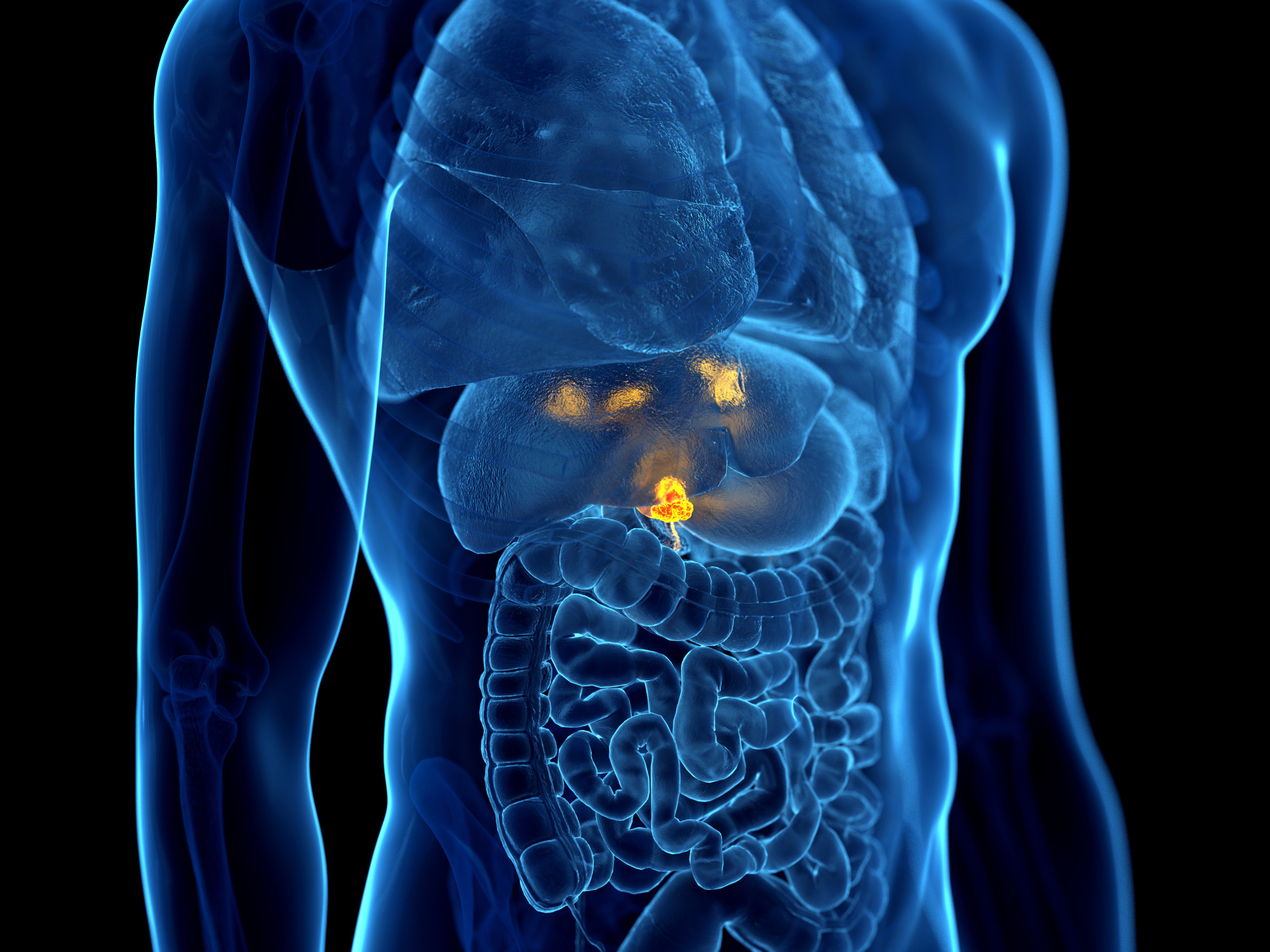
If needed, we may retest after some time to observe the trend, or perform an abdominal ultrasound to check the condition of the liver, gallbladder, and bile ducts. Recent medications, health supplements, and alcohol consumption can also affect the results, so providing this information will help us make a quicker assessment.
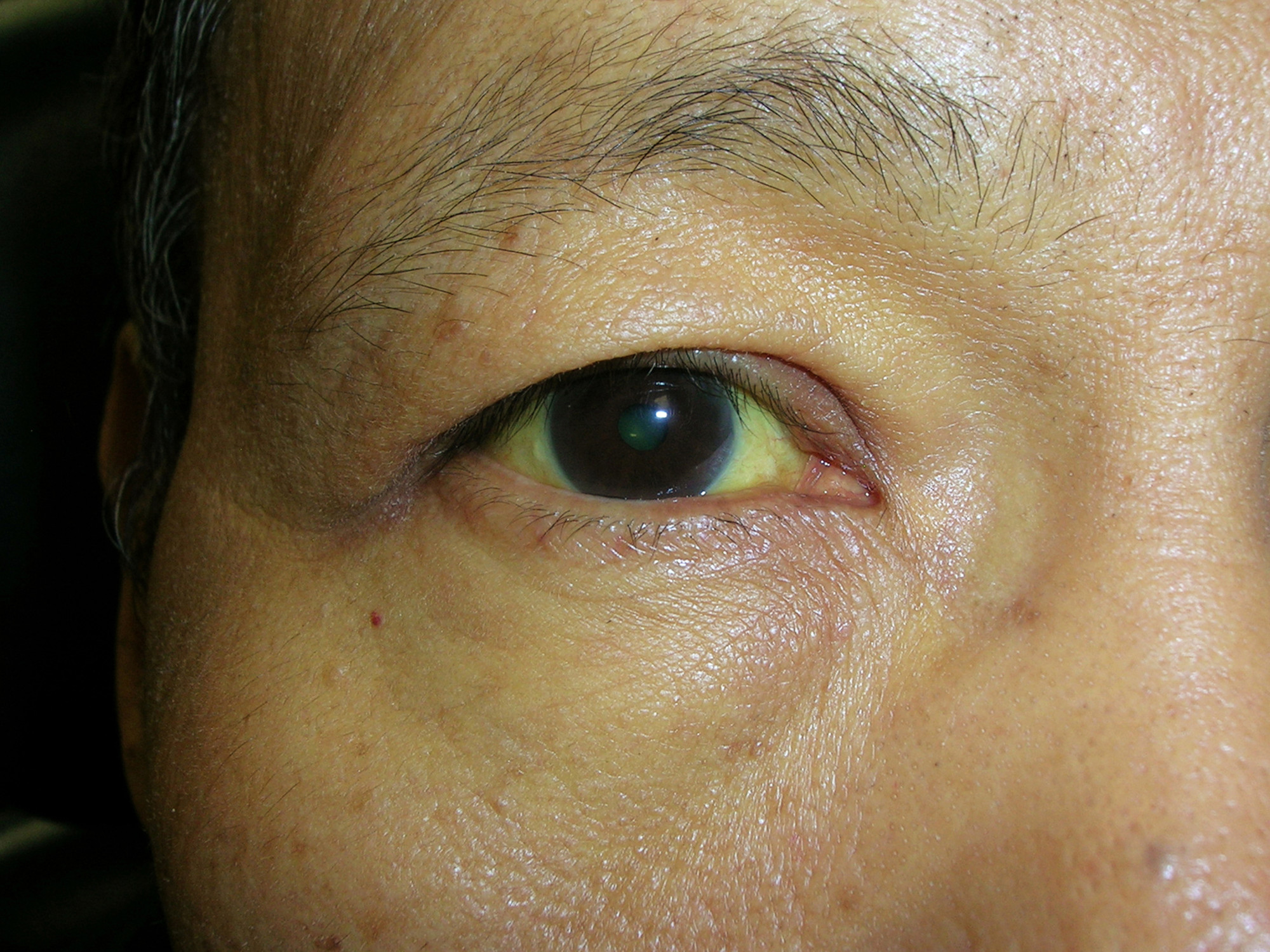
Signals Appearing in the Body
If levels rise significantly, the skin or the whites of the eyes may appear yellow. Urine color may become darker, closer to brown, or stool color may become lighter.
If these symptoms are accompanied by pain in the upper right abdomen, fever, or nausea, you should seek to identify the cause. Conversely, even if there are no symptoms, if levels are consistently high during every checkup, it is advisable to compare with previous results to observe the trend.

Reviewed by: Dr. Kim Seonhoo · Subspecialist in Gastroenterology, Detailed Specialist in Gastrointestinal Endoscopy Last reviewed 2026-09-02
This article is intended to provide general health information, and the cause and necessary tests may vary depending on individual conditions. If symptoms persist, please consult with a medical professional for diagnosis.