

There are people who feel bloated or full of gas after eating, to the point where their pants feel tight. Even if they haven't eaten much, it happens, and frequent burping and flatulence cause prolonged discomfort.
Once or twice, it might be due to that day's meal. However, if it repeats every time you eat, it's worth considering why.

Air is Swallowed Along with Food
When you eat, you also swallow air. This amount increases if you eat quickly, chew less, or talk a lot while eating.
Frequently drinking carbonated beverages or having a habit of eating large meals can lead to the same result. Additionally, gas produced when food ferments in the intestines adds to this. If there are foods that particularly don't agree with you, such as legumes or dairy products, the symptoms become more pronounced then.
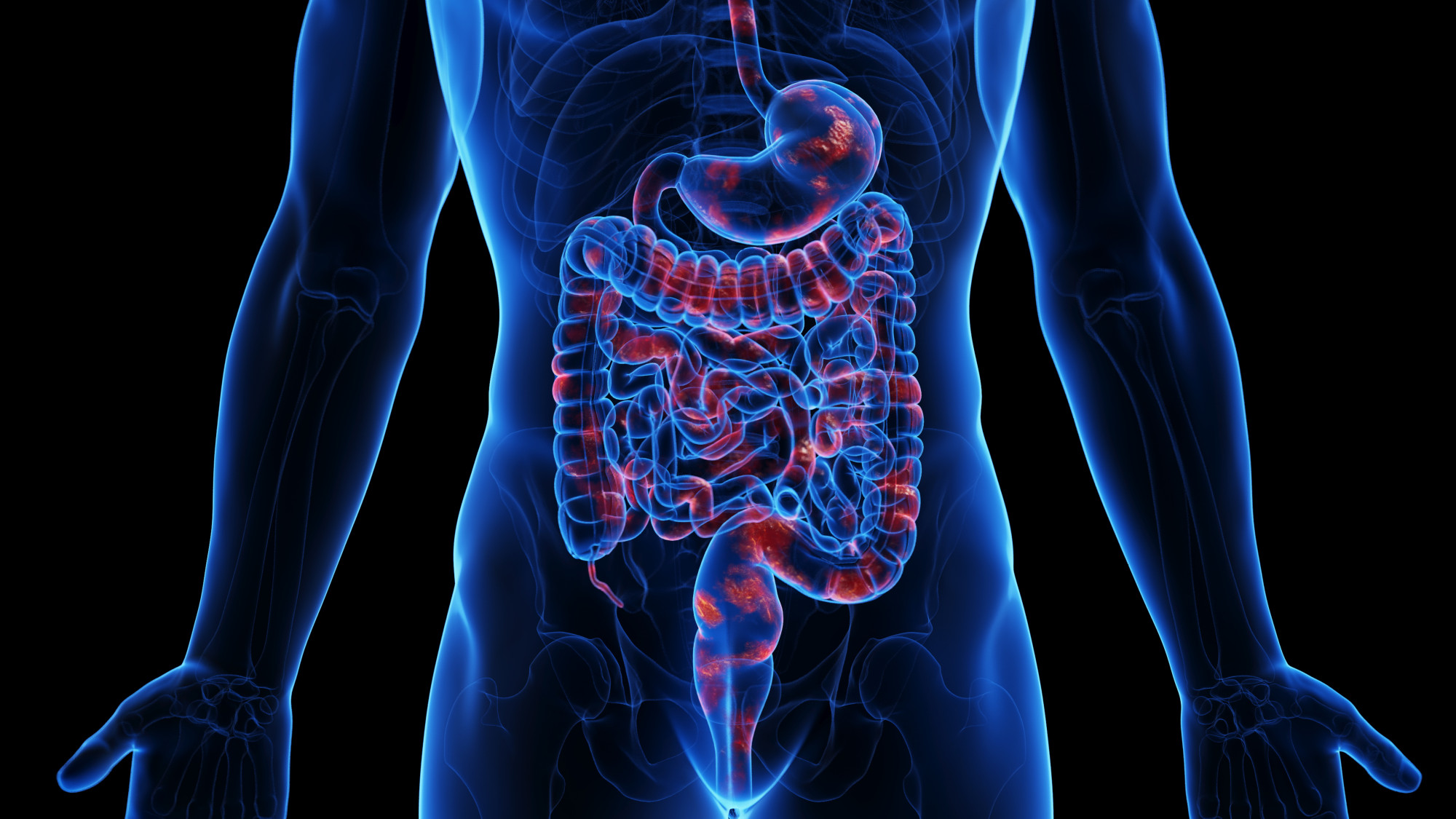
When It's Not Just a Gas Problem
A feeling of fullness can also persist if the speed at which food moves from the stomach downwards is slow, or if the stomach and intestines are sensitive.
If you have functional dyspepsia, you feel full quickly even after eating a little, and your upper abdomen feels stuffy. If you have irritable bowel syndrome, gas-filled sensations are accompanied by alternating abdominal pain, diarrhea, or constipation. Similar discomfort can also arise from other gastrointestinal diseases, including gastritis, so it's important to consider where, how, and how much discomfort you are experiencing.
Signals You Shouldn't Overlook
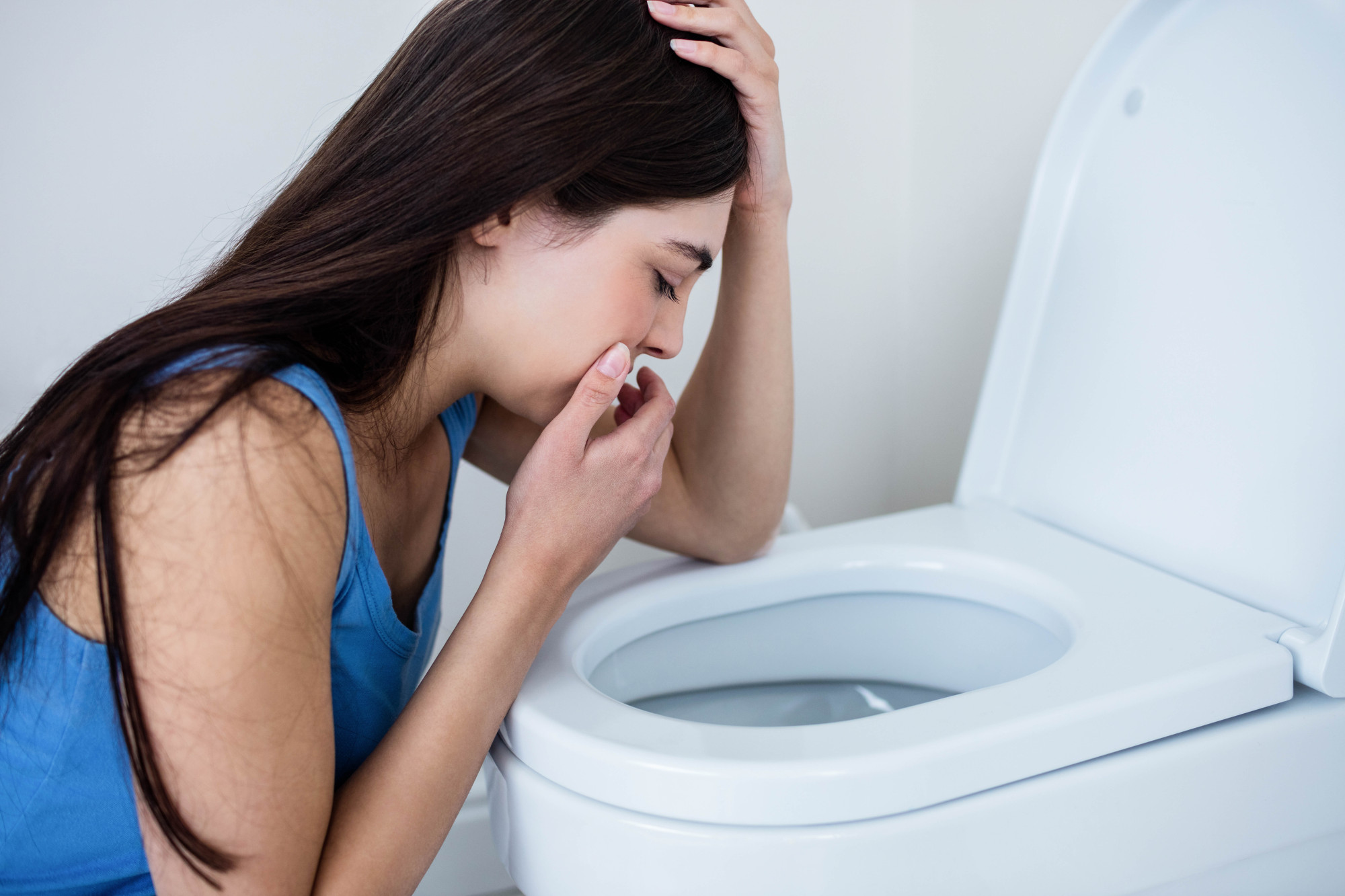
While these are common symptoms, there are exceptions. If new symptoms suddenly begin or worsen over time, it's different.
If you have persistent abdominal pain, repeated vomiting, unexplained weight loss, or notice bloody or black stools, it's advisable not to dismiss it as simple gas. Depending on the symptoms, blood tests or endoscopy may be performed to check for other abnormalities.

Adjustments to Make in Your Daily Life
You can start by eating moderate amounts slowly, rather than eating a lot at once. Just by noting for a few days which foods caused particular discomfort, you can see a pattern.
However, we do not recommend cutting out various foods based on the assumption that a specific food is the cause. If your nutrition becomes imbalanced, other problems may arise.
Reviewed by: Dr. Kim Seonhoo · Gastroenterology Subspecialist, Gastrointestinal Endoscopy Subspecialist Last reviewed on 2026-09-02
This article is intended to provide general health information, and the cause and necessary tests may vary depending on an individual's condition. If symptoms persist, please consult with a medical professional for confirmation.