
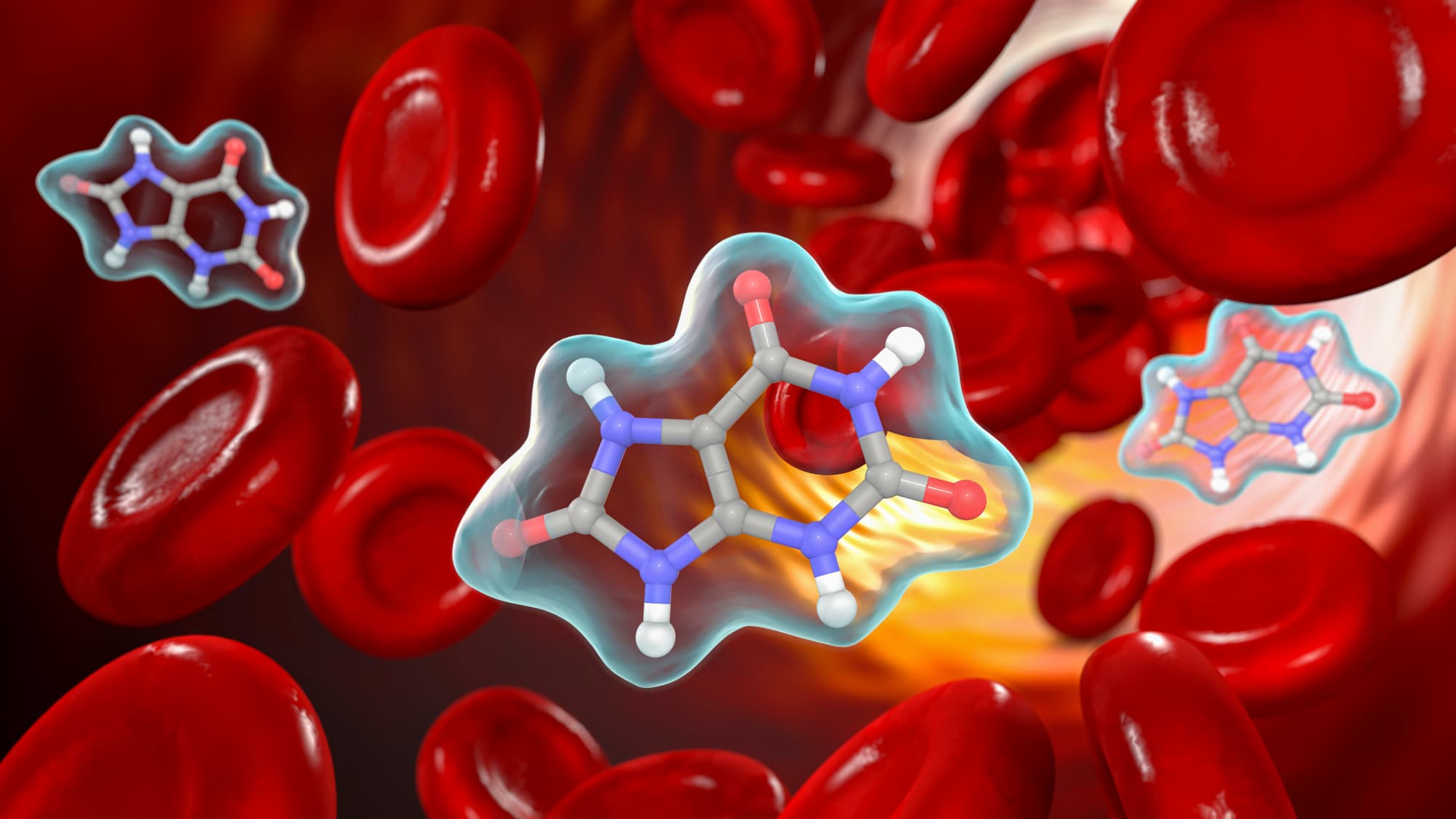
Many people visit us after seeing the uric acid item marked in red on their health check-up results. It's an item that's easy to overlook since there's no pain or discomfort in daily life.
However, if the high level persists, it can lead to problems such as gout. If it was also high in your last check-up, it's worth checking if it was just a temporary change.
Where Does Uric Acid Come From?
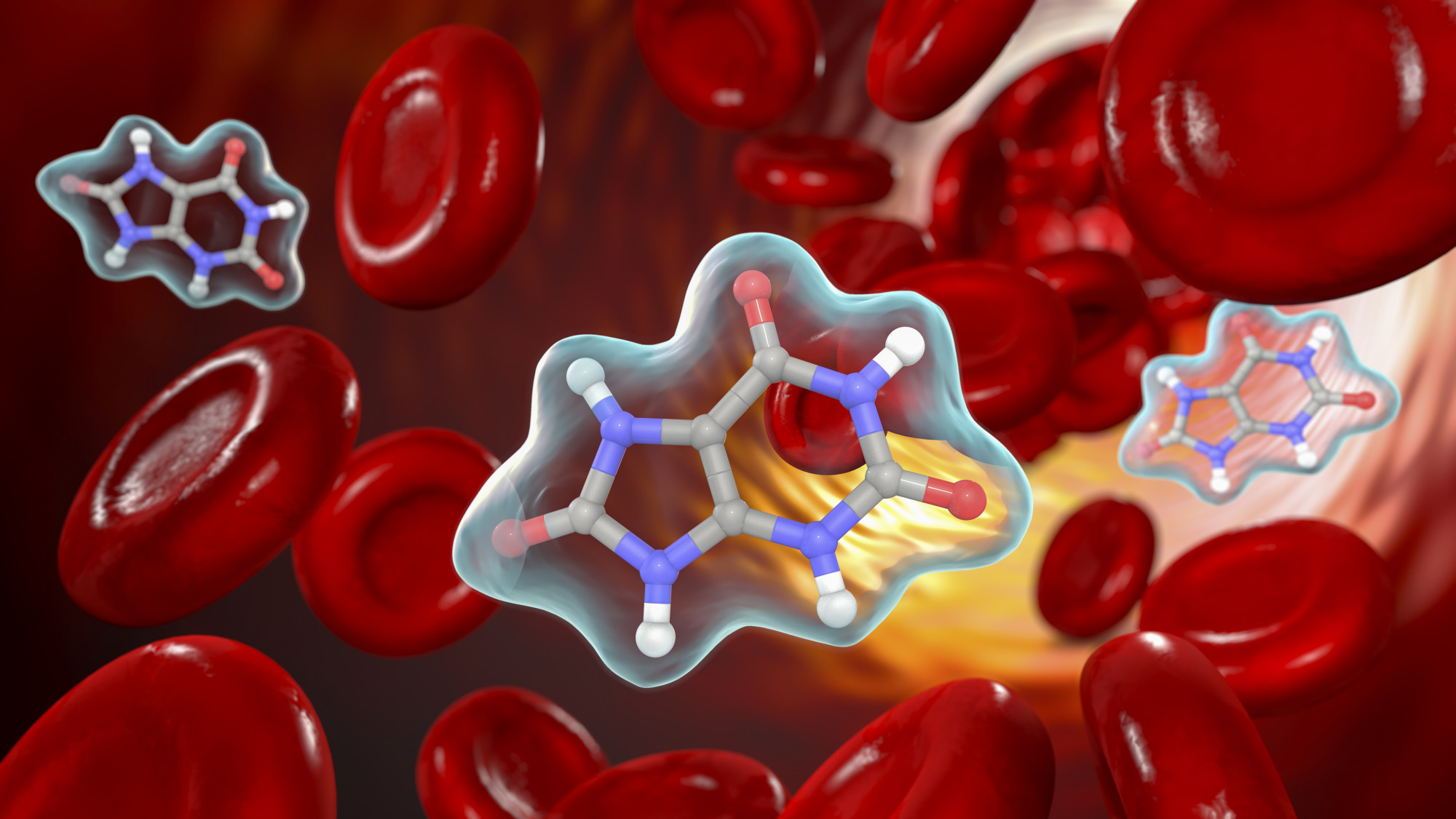
It is produced when a substance called purine is broken down in the body. Most of the uric acid produced passes through the kidneys and is excreted in the urine.
If too much is produced or if excretion is not smooth, the concentration in the blood rises. Frequent alcohol consumption or enjoying purine-rich foods like organ meats can have an impact, but body weight, kidney function, and medications you are taking also play a role.
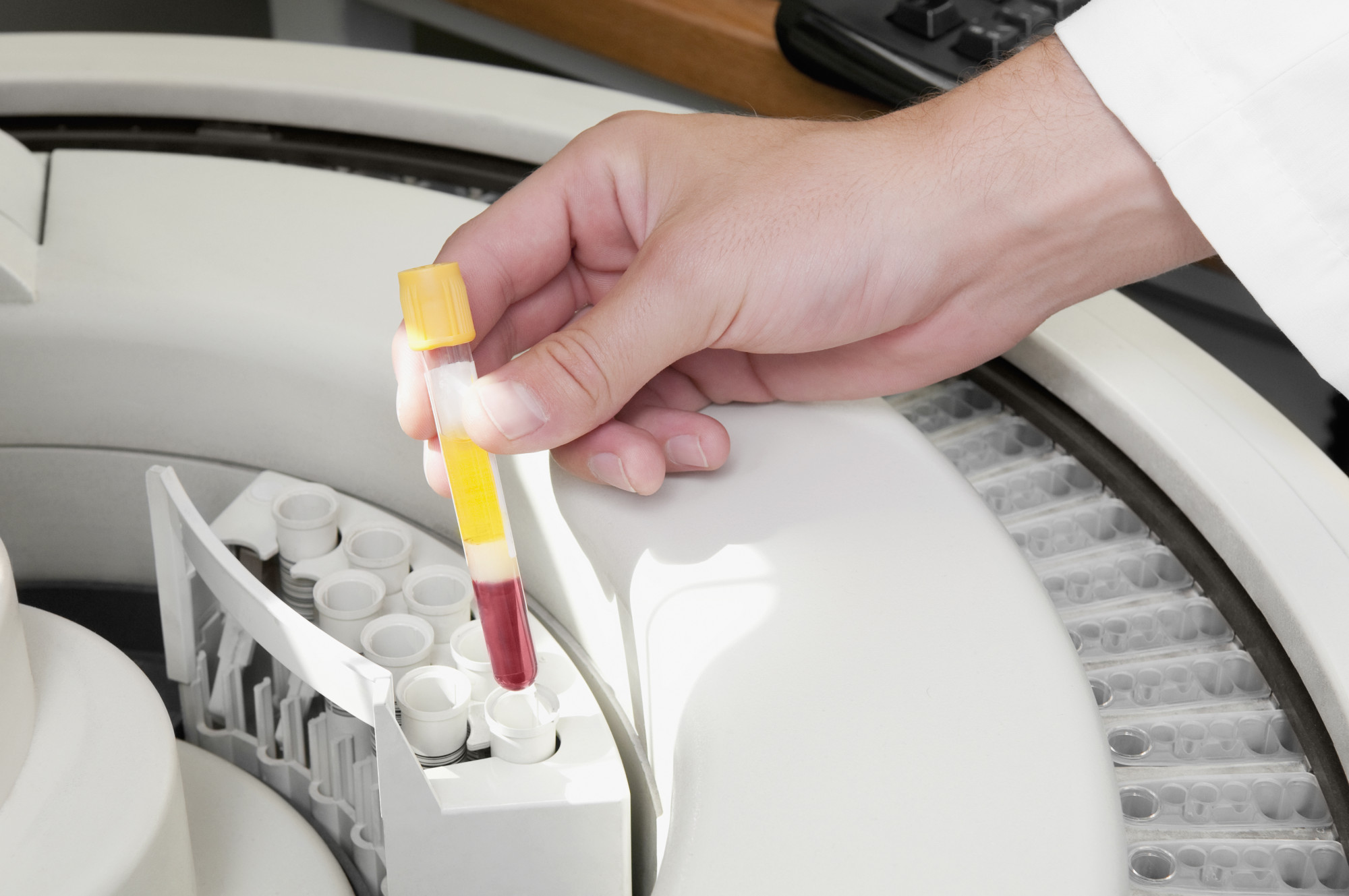
A High Level Doesn't Immediately Mean Gout
Even with high levels, many people experience no symptoms. This is called asymptomatic hyperuricemia.
The problem arises when this state continues for a long time. If uric acid solidifies into crystals and accumulates in and around the joints, inflammation can occur. When an attack occurs, the big toe, ankle, or knee may suddenly swell, become severely painful, and develop a fever. This is why you should monitor the trend if your levels are repeatedly high, even if your joints are currently fine.

What Else Should We Look At?
First, we look at the trend by comparing it with previous results. If necessary, we re-evaluate and check kidney function, blood sugar, and cholesterol together.
It is also important whether high blood pressure, diabetes, dyslipidemia, or obesity are present. Rather than drastically reducing your diet or starting medication based on just one number, the correct order is to first determine why it has risen.

How to Manage
Adjusting your overall lifestyle is more effective than simply cutting out one type of food. Reducing excessive alcohol consumption, organ meats, and sugary drinks, and drinking plenty of water can help with excretion.
If you need to lose weight, losing it too quickly in a short period can actually be detrimental. A gradual decrease through diet and exercise is safer.
Reviewed by: Dr. Kim Seonhoo · Gastroenterology Subspecialist, Digestive Endoscopy Specialist Last reviewed 2026-09-02
This article is intended to provide general health information, and the cause and necessary examinations may vary depending on an individual's condition. If symptoms persist, please consult with a medical professional for confirmation.