
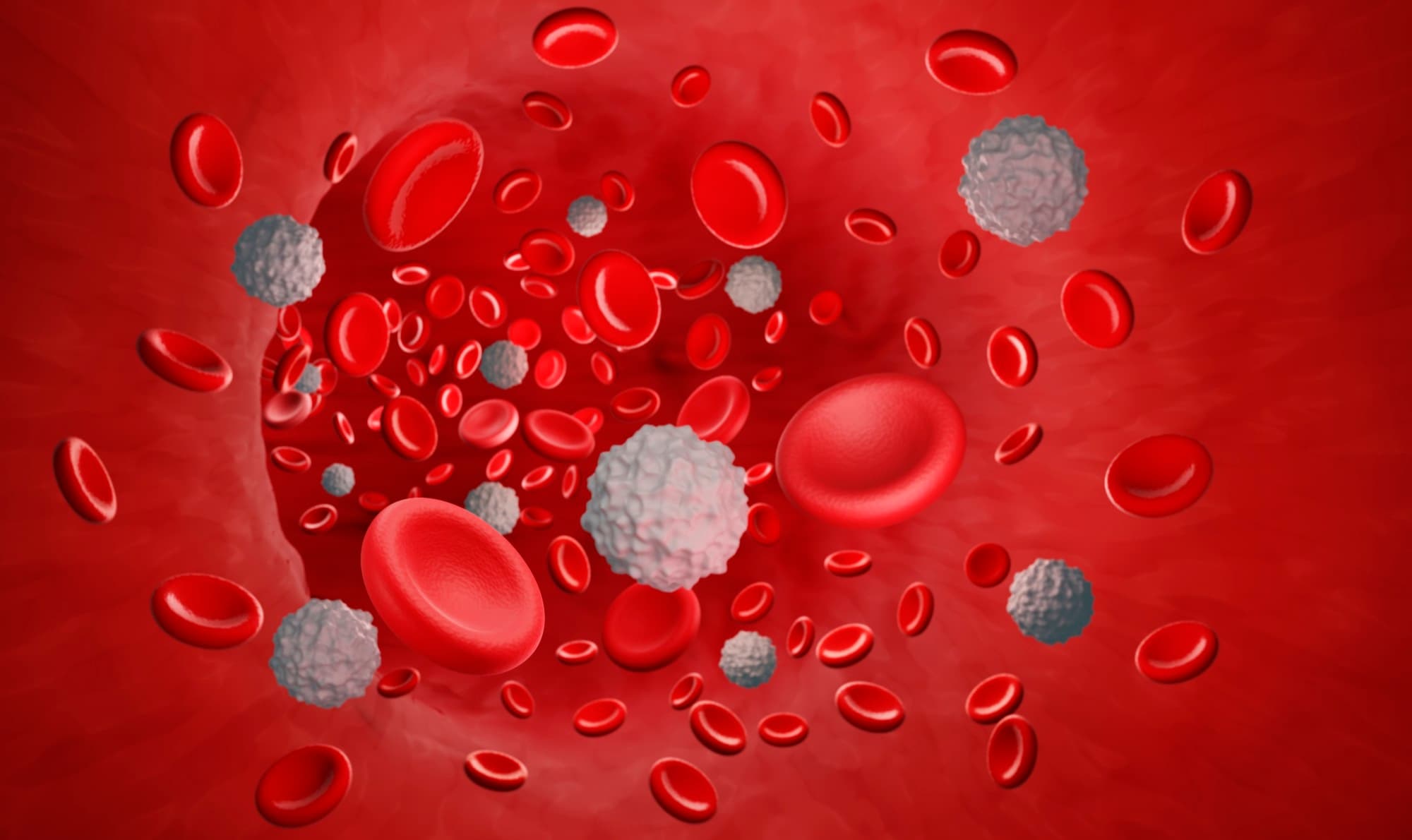
If your white blood cell count is higher than the standard range in your health checkup blood test results, it can be a cause for concern.
White blood cells are immune cells that protect the body from bacteria and viruses. Their numbers increase with infection or inflammation, but they also fluctuate depending on your condition and environment on any given day. Rather than determining an illness from a single number, it is more appropriate to look at why it increased and observe the trend.
Starting with Common Reasons
The most common reasons are infection and inflammation. If you are suffering from a cold or enteritis, or if an inflammatory reaction is occurring somewhere in your body, your immune system reacts, and the count rises.
If you had a body ache before the checkup or were recovering from one, that effect will be reflected directly. Severe stress, intense exercise, smoking, and some medications also act in the same way. Since the reasons are diverse, it is difficult to pinpoint a specific disease based solely on the numbers.

Depending on How High It Is
What needs to be examined changes depending on whether it is slightly above the standard or significantly elevated.
If there are no symptoms and it appears to be a temporary change, it is advisable to retest after some time and compare the results. Conversely, if there are accompanying symptoms that suggest infection, such as fever, chills, cough, or abdominal pain, it is necessary to check for inflammation in the body. If the count has consistently been high in previous checkups, it is helpful to compare it with those records.

Breaking Down the Types
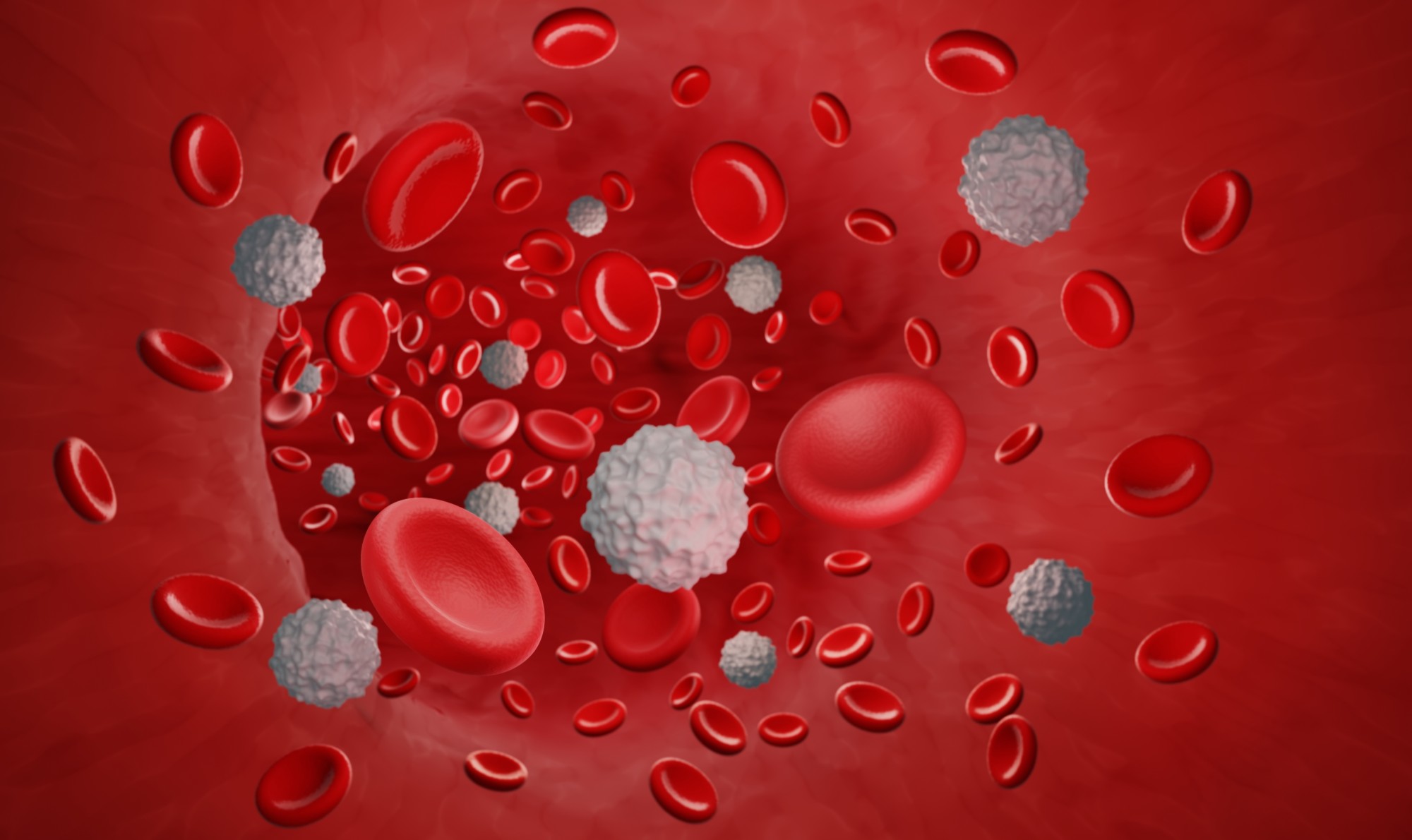
White blood cells are not a single type. They are a mixture of neutrophils, lymphocytes, monocytes, eosinophils, and others. Looking at which type has increased, rather than just the total number, can help narrow down the direction of the cause.
If necessary, differential counts, inflammatory markers, and other blood tests are reviewed together. Whether red blood cells or platelets are also affected is an important clue.

When to Look Further
If there are no symptoms, there is no need to be overly concerned. You can start by considering if you've had a recent infection, what medications you are taking, or if there have been any changes in your lifestyle.
However, if the count is repeatedly high, or if you have a fever, lose weight, sweat at night, or bruise easily, you should investigate the cause. Health checkup results are not read as individual numbers; rather, they are interpreted by considering past records, current symptoms, and other items together.

Reviewed by: Dr. Kim Seonhoo · Gastroenterology Subspecialist, Digestive Endoscopy Specialist Last reviewed on 2026-09-02
This article is intended to provide general health information, and the cause and necessary tests may vary depending on an individual's condition. If symptoms persist, please consult with a medical professional for confirmation.