

You might be startled if you suddenly notice that your stool, which you usually don't pay much attention to, is black or red. It's common for stool color to change for a day or two due to food you've eaten or medication you're taking.
However, it's a different story if the color continues to change, and you also experience abdominal pain, dizziness, and weight loss. You shouldn't just look at the color; you need to consider the consistency and any accompanying symptoms.

Not All Black Stool is Bleeding
Stool can darken after taking iron supplements or certain foods and medications. The distinguishing factor is texture.
If your stool is sticky and black like tar, it could be bleeding from the stomach or duodenum. This happens when blood changes color as it passes through the digestive tract. If this is accompanied by heartburn, epigastric pain, dizziness, and severe fatigue, further investigation is needed.

When You See Red Blood
If you see bright red blood mixed with your stool or the toilet water is red, the issue is likely in the anus or large intestine. Common causes include hemorrhoids or anal fissures, but conditions like colitis or polyps can also present similarly.
It can also appear red after eating strongly colored foods like beets, so it's difficult to make a definitive diagnosis based on color alone. If it's recurrent, your bowel habits change, you experience abdominal pain, and you lose weight, you should seek to find the cause.
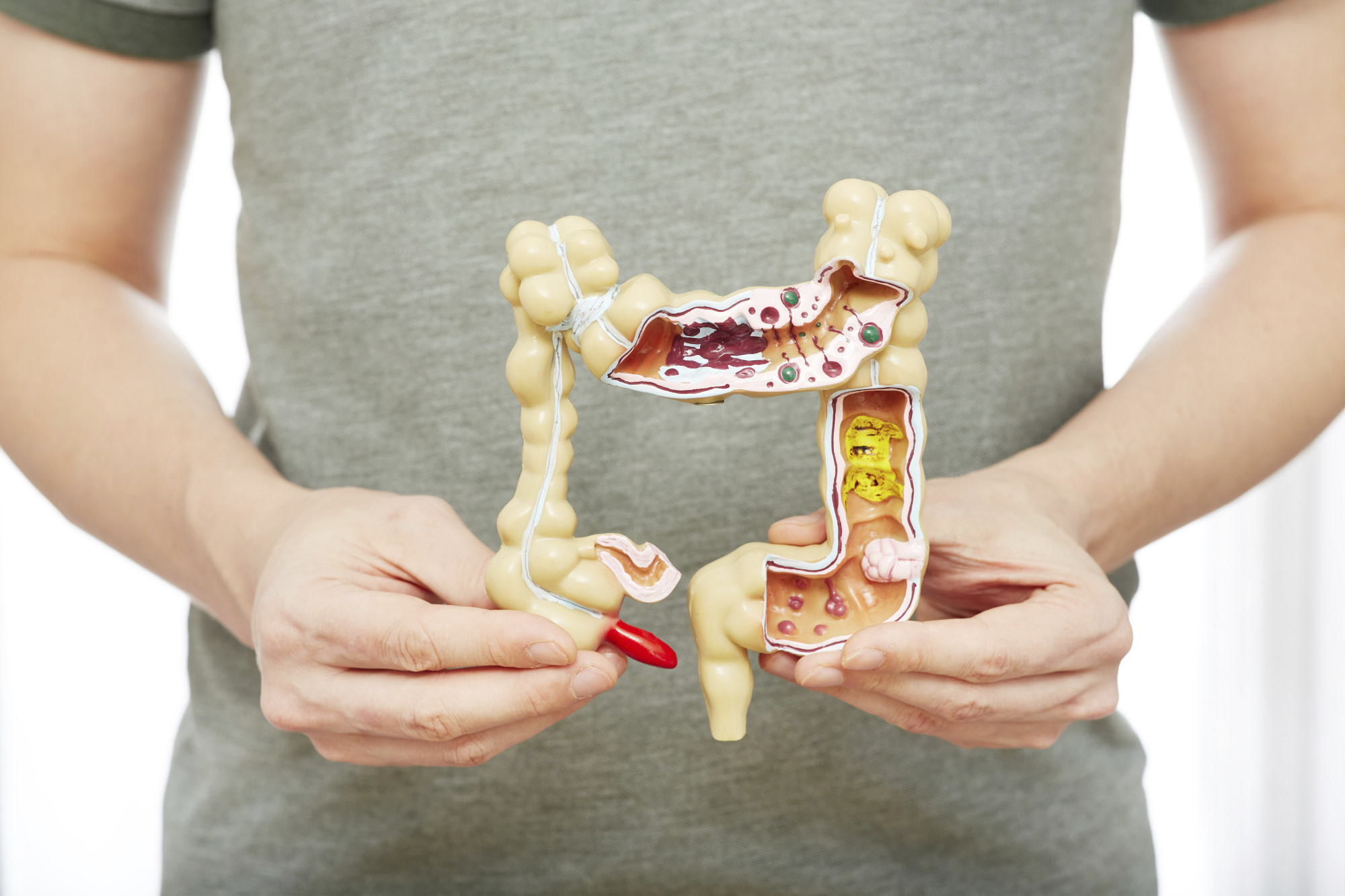
Conversely, When Color is Lost
Stool is brown due to bile produced by the liver. Therefore, if your stool consistently appears pale, close to grayish-white or white, you should check if bile is flowing properly.
If your skin or the whites of your eyes are yellow, your urine color is dark, and you have pain in your upper right abdomen, you should have your liver, gallbladder, and bile ducts checked together. The duration of these symptoms is a more important criterion than whether they occur just once or twice.

How to Check
First, list what you've recently eaten and any medications you're currently taking. If bleeding is suspected, a blood test can check for anemia, and endoscopy may be considered if necessary.
Gastroscopy directly visualizes bleeding in the esophagus, stomach, and duodenum. Colonoscopy identifies inflammation, polyps, or bleeding sites within the large intestine. If black stool or bloody stool is recurrent, it's better to find out where it's coming from rather than waiting for it to stop on its own.

Reviewed by: Dr. Kim Seonhoo · Subspecialist in Gastroenterology, Detailed Specialist in Gastrointestinal Endoscopy Last reviewed: 2026-09-02
This article is intended to provide general health information, and the cause and necessary tests may vary depending on an individual's condition. If symptoms persist, please consult with a medical professional for diagnosis.