

Sometimes, when you look in the mirror in the morning, your face might be swollen, or your fingers might be stiff, making it difficult to remove a ring. It's common for this to happen temporarily due to your sleeping position or what you ate the day before, and then subside.
If this happens every morning without a clear reason and doesn't go away easily, it's worth considering whether it's due to habits or another underlying cause. Especially if swelling is accompanied by changes in weight or urine output, it's advisable to get it checked.

Why Does Swelling Often Start in the Face in the Morning?
Edema is a condition where fluid accumulates in the body's tissues. While you sleep, you lie down for an extended period, so the bodily fluids that accumulated in your legs during the day move up to your face and upper body. This is why your face might appear particularly swollen in the morning.
If you ate salty or stimulating foods late the day before, more water might be retained, making the swelling more noticeable. The same applies if you had insufficient sleep, consumed alcohol, or were less active. This type of swelling typically subsides as you start your daily activities and time passes.
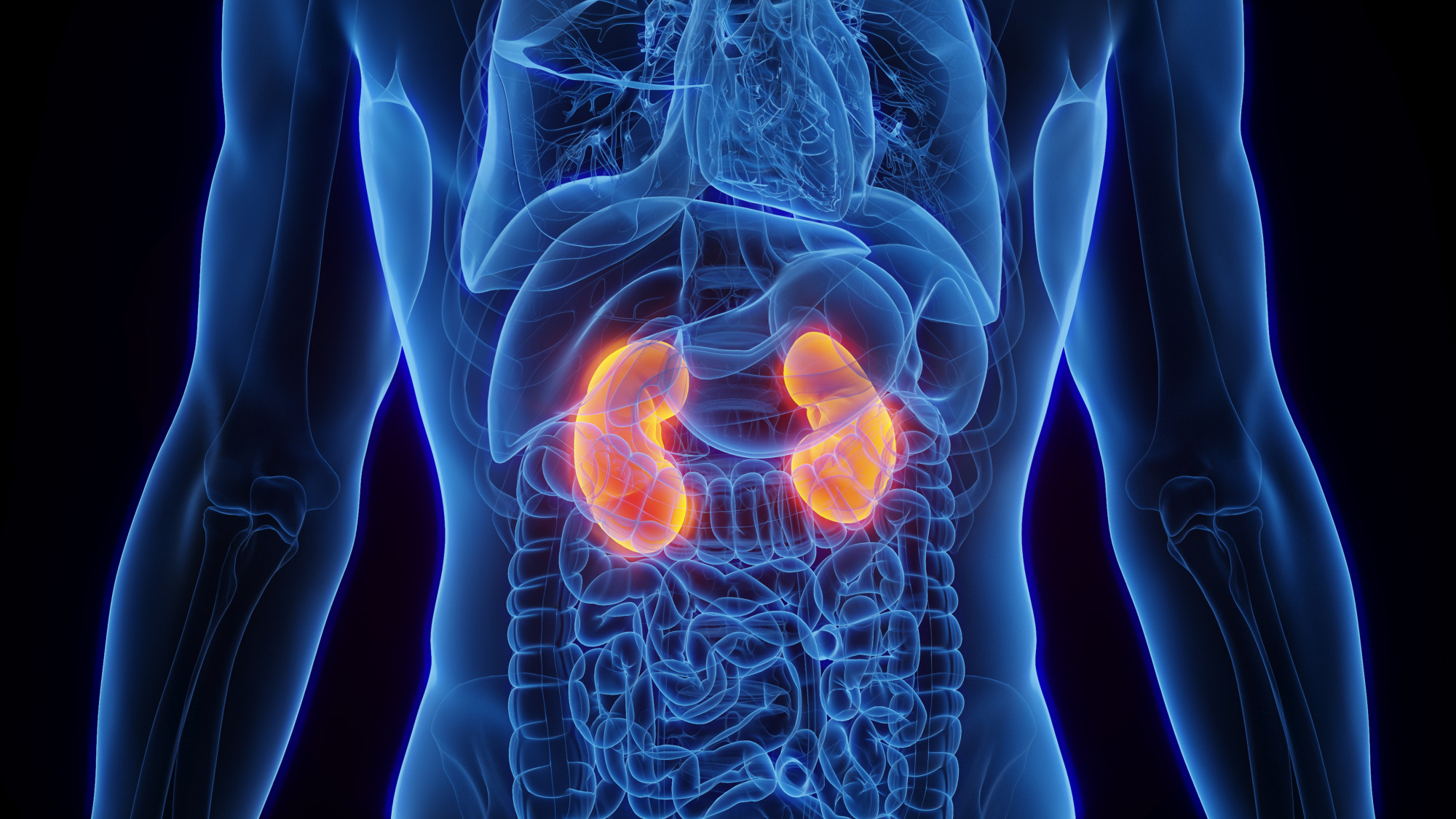
If It Repeats Daily
If swelling occurs every day and affects not only your face but also your hands, feet, and legs, it's important to look at the systems involved in fluid balance.
When kidney function declines, the process of expelling water and sodium can be disrupted, leading to swelling. The same symptoms can also arise from thyroid, liver, or heart problems, so the mere fact of swelling cannot determine the cause. Some medications you are taking might cause edema, so we consider the onset of symptoms along with your medication list.
Observe Your Urine as Well
If swelling is recurrent, it's also helpful to observe any changes in your urine. If your urine output has decreased compared to before, or if you consistently have foamy urine that doesn't dissipate easily, a urine test can check for proteinuria.
If you've suddenly gained weight, it's important to distinguish whether it's due to weight gain or fluid retention. During a check-up, a blood test and urine test can assess kidney function and proteinuria together, and additional tests will be determined based on the results.

What to Watch Out For in Management
If you tend to eat salty foods, reducing sodium and having regular meal times can be helpful. Similarly, reducing late-night snacks and alcohol, and engaging in moderate physical activity are also beneficial.
However, you should avoid arbitrarily taking diuretics or excessively reducing water intake to reduce swelling. If you only remove water without knowing the cause, other problems might arise.
Reviewed by: Dr. Kim Seonhoo · Subspecialist in Gastroenterology, Detailed Specialist in Gastrointestinal Endoscopy Last reviewed: 2026-09-02
This article is intended to provide general health information, and the cause and necessary tests may vary depending on an individual's condition. If symptoms persist, please consult with a medical professional for confirmation.