
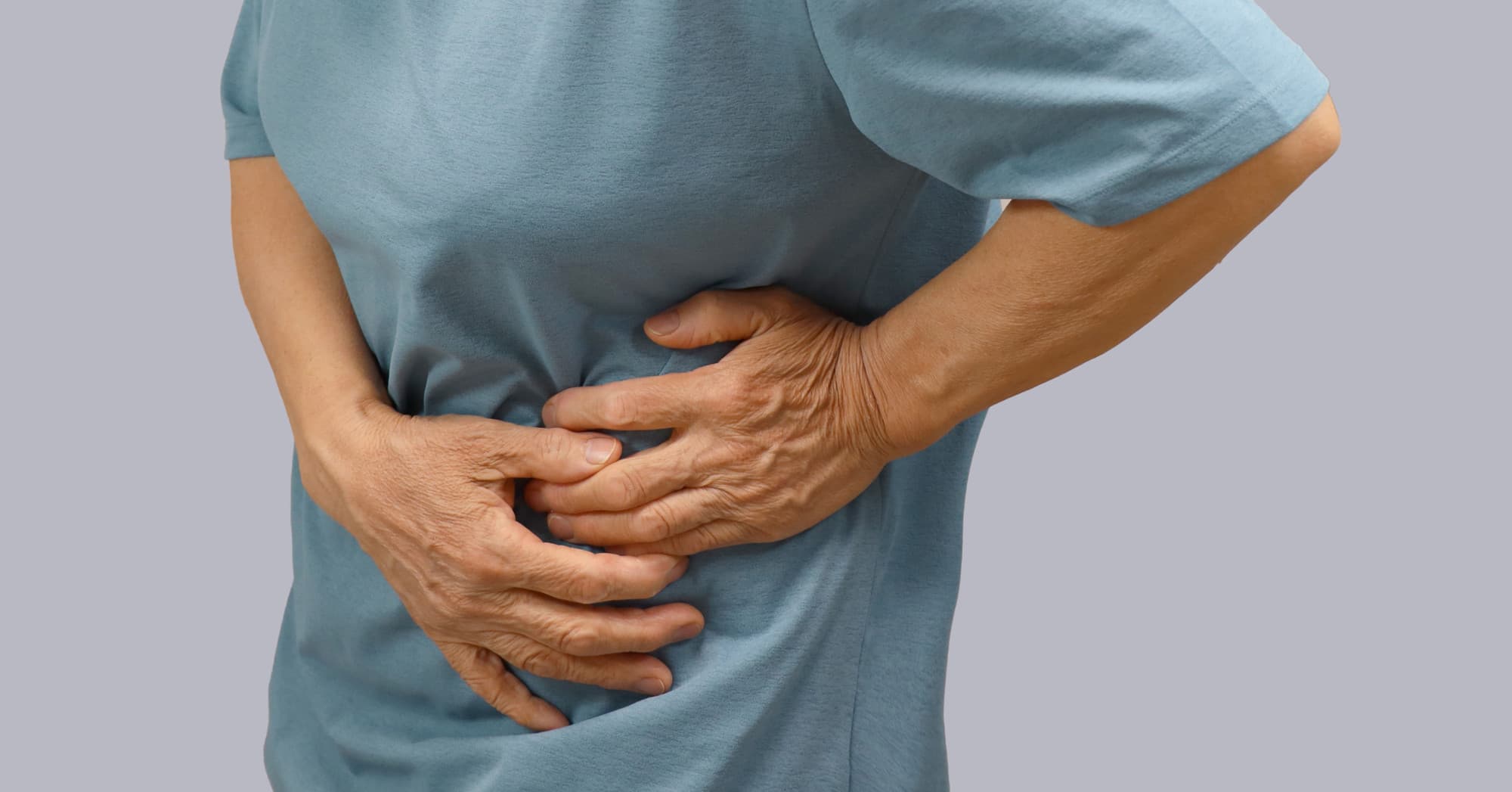
When your stomach hurts, where it hurts tells you more than the fact that it hurts. In particular, organs such as the liver and gallbladder are gathered under the right ribs, so if pain in that area recurs, it is necessary to differentiate the cause.
The suspected area changes depending on when it started, whether it is related to meals, and what accompanies it.
When it's the Gallbladder
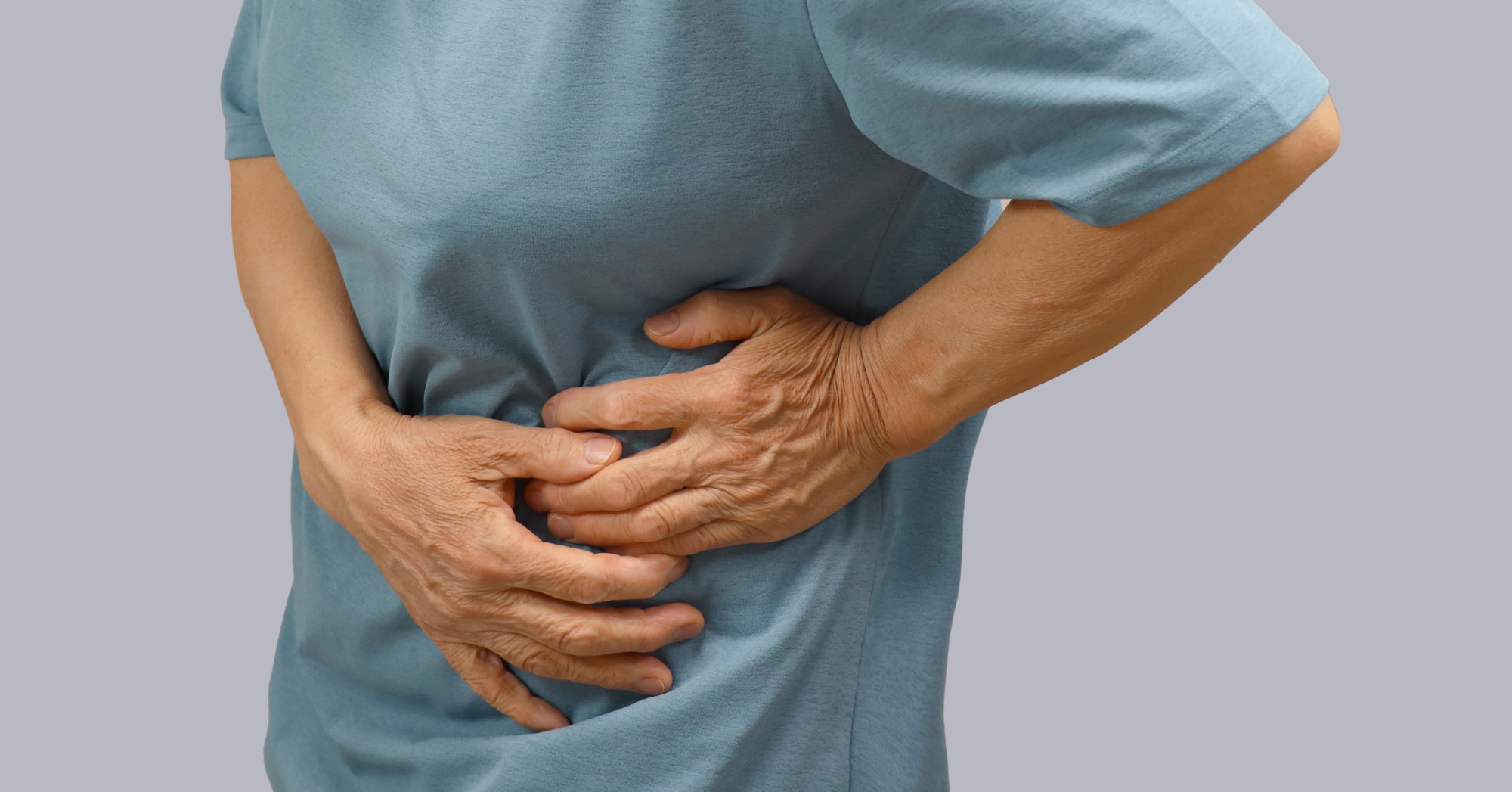
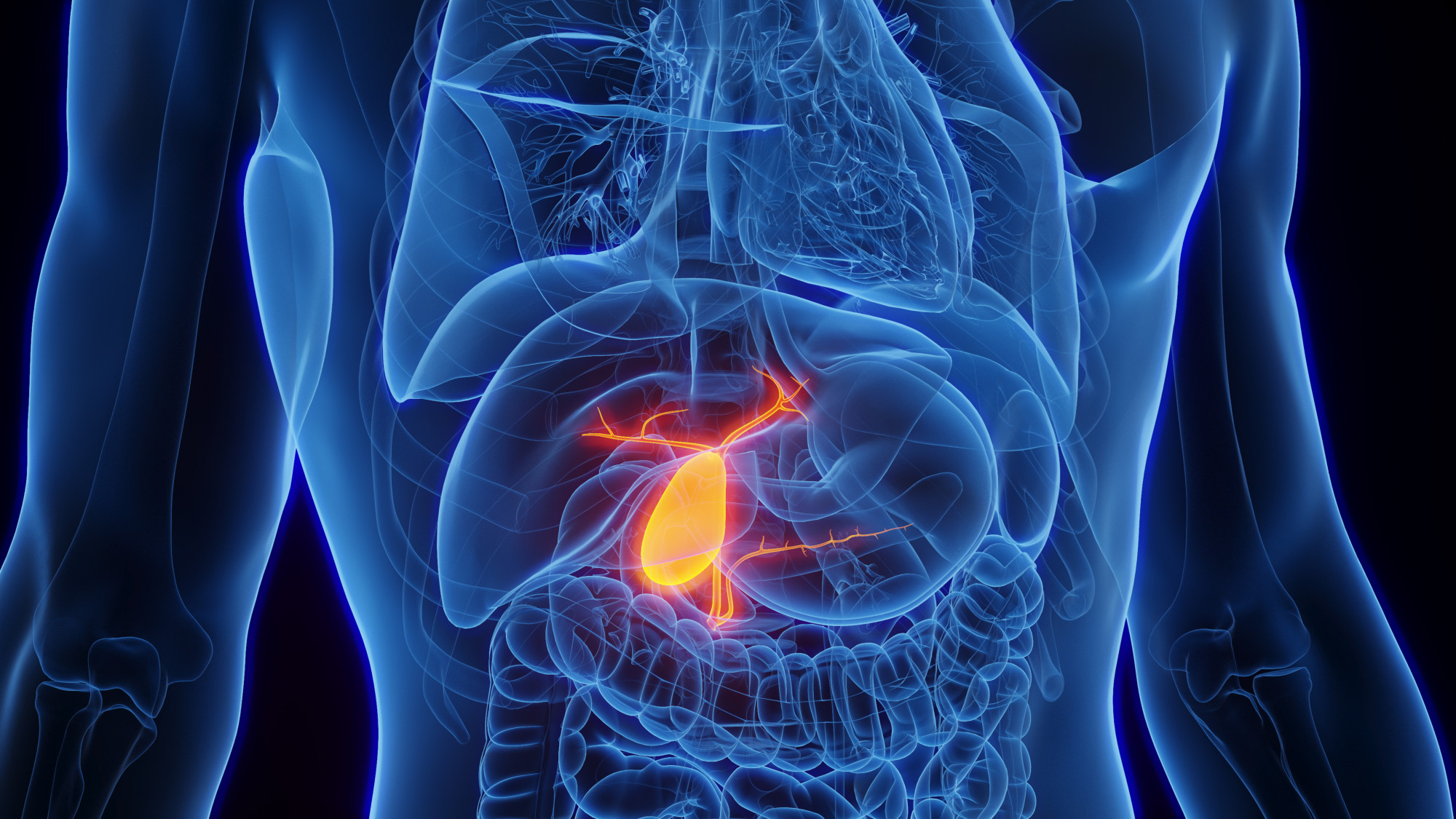
This is the organ most frequently associated with this area. Even with gallstones, many people remain asymptomatic, but pain occurs if the bile duct is blocked.
It is characteristic for sudden pain to occur after eating fatty foods like samgyeopsal or fried foods, and for the pain to spread to the back or right shoulder. If inflammation also develops, it does not subside easily and is accompanied by fever, chills, nausea, and vomiting.
When it's the Liver
Although the liver is in this area, problems with the liver do not always cause pain. Fatty liver or hepatitis are often silent in the early stages and are frequently discovered incidentally during check-ups through liver enzyme levels.
If the liver enlarges or inflammation worsens, a dull, uncomfortable feeling may occur. If this is accompanied by easy fatigue, loss of appetite, and yellowing of the skin or whites of the eyes, both the liver and bile ducts should be checked.
When it's the Stomach/Intestines
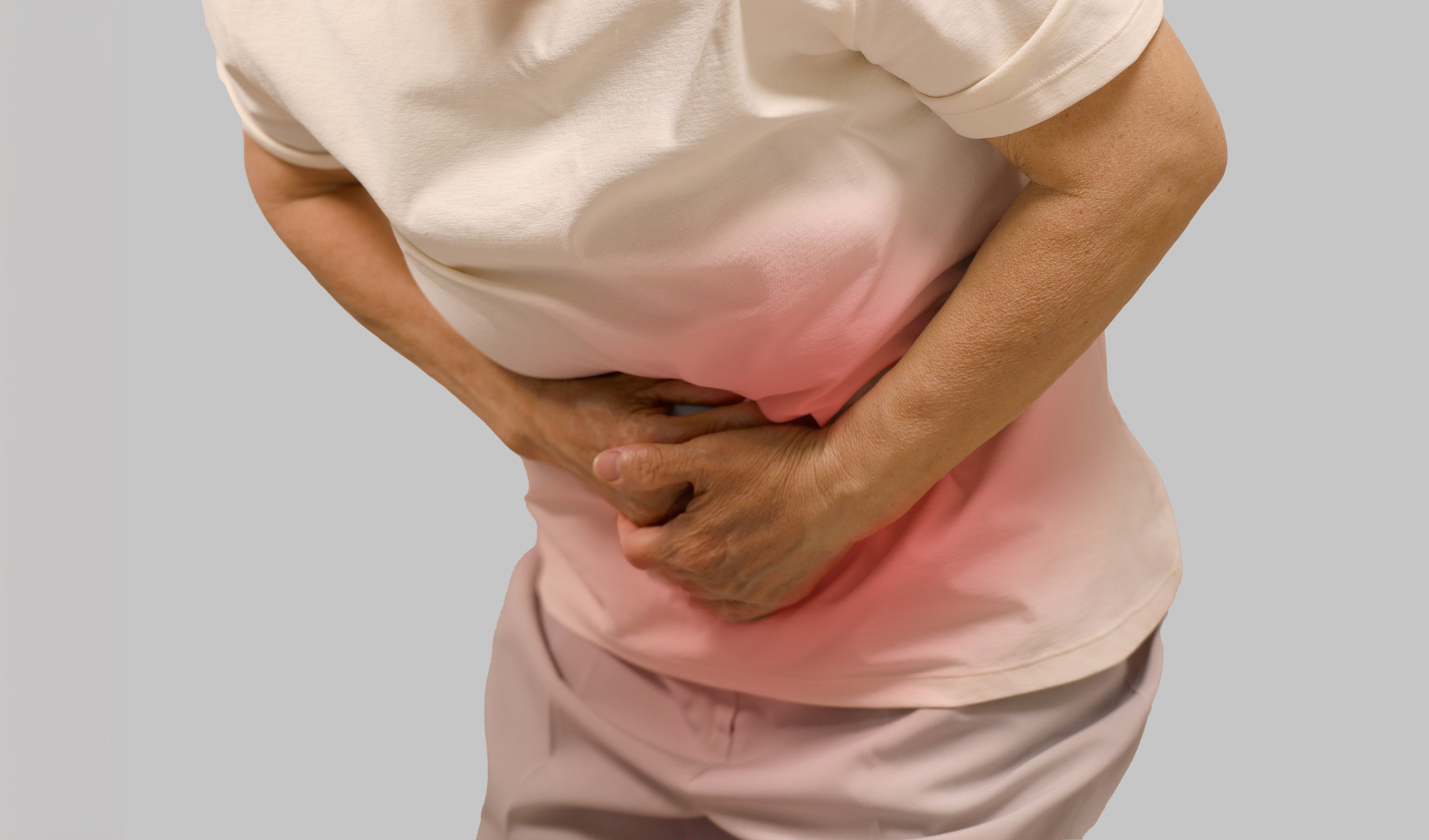
It cannot be concluded that it is the liver or gallbladder based on location alone. Gastritis or gastric/duodenal ulcers can also cause pain from the pit of the stomach to the upper right abdomen.
If heartburn, bloating, sour burps, and indigestion are present, the stomach and intestines should also be considered. Organs are closely packed together in the abdomen, making it difficult to pinpoint the exact location of pain.
What Tests Are Done
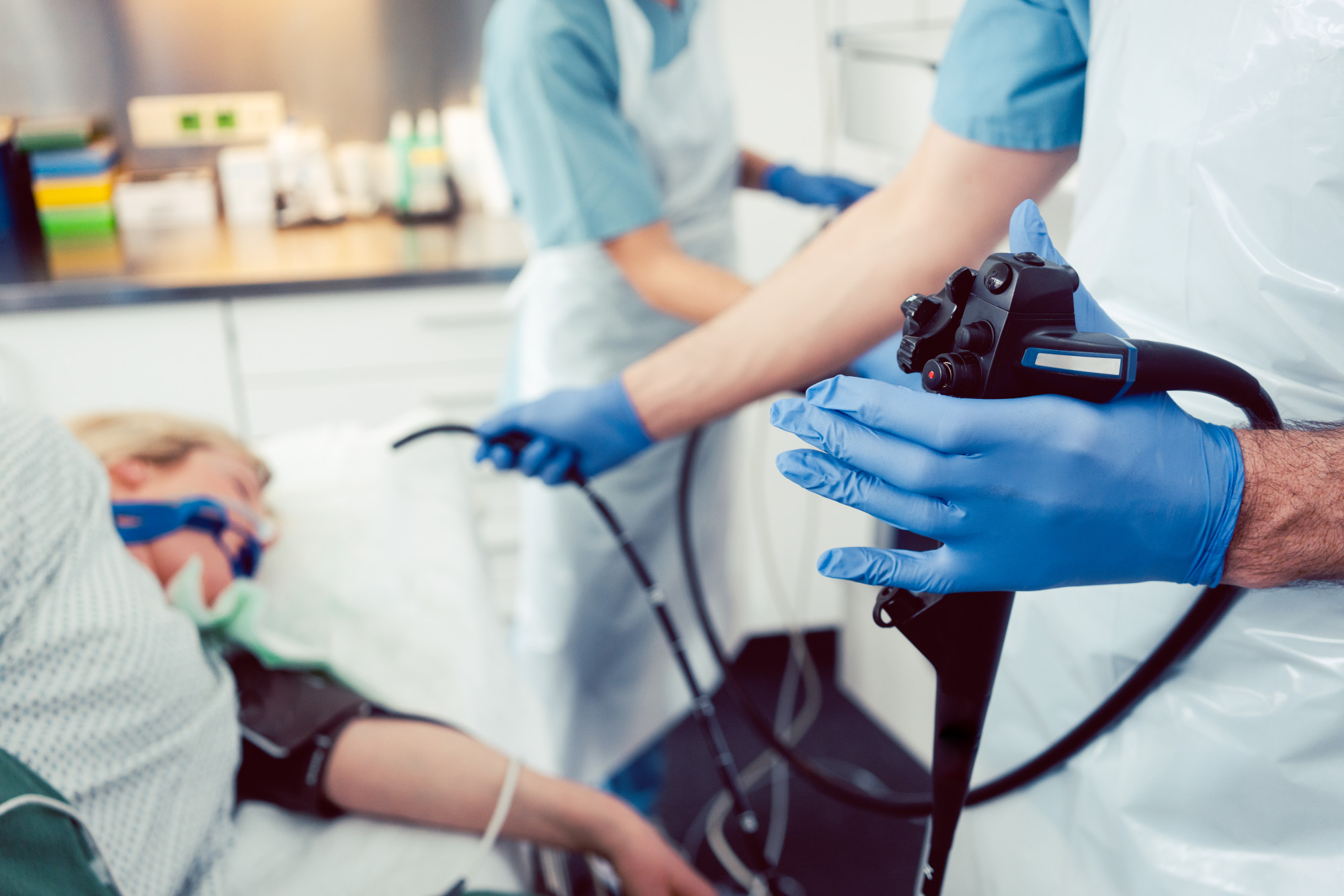
The necessary tests vary depending on the nature of the symptoms. Blood tests are used to check liver function and inflammation levels, and if the liver or gallbladder is suspected, an abdominal ultrasound is performed to check for fatty liver, gallstones, and the condition of the gallbladder.
If the stomach or duodenum is involved, a gastroscopy is performed to directly examine the mucous membrane. However, if the pain suddenly worsens or is accompanied by high fever, recurrent vomiting, jaundice, or black stools, please do not delay seeking medical attention.
Reviewed by: Dr. Kim Seonhoo · Subspecialist in Gastroenterology, Detailed Specialist in Gastrointestinal Endoscopy Last reviewed 2026-09-02
This article is intended to provide general health information, and the cause and necessary tests may vary depending on individual conditions. If symptoms persist, please consult with a medical professional for confirmation.