

A routine blood test includes not only red and white blood cells but also platelets. If this number is lower than the standard even though you don't feel sick, it can be unfamiliar and worrying.
The reasons for a decrease in platelets range from temporary changes to various diseases. Rather than judging by a single number, it's important to consider how low it is, what it was like in the past, and if there are any current symptoms.

What kind of cells are they?
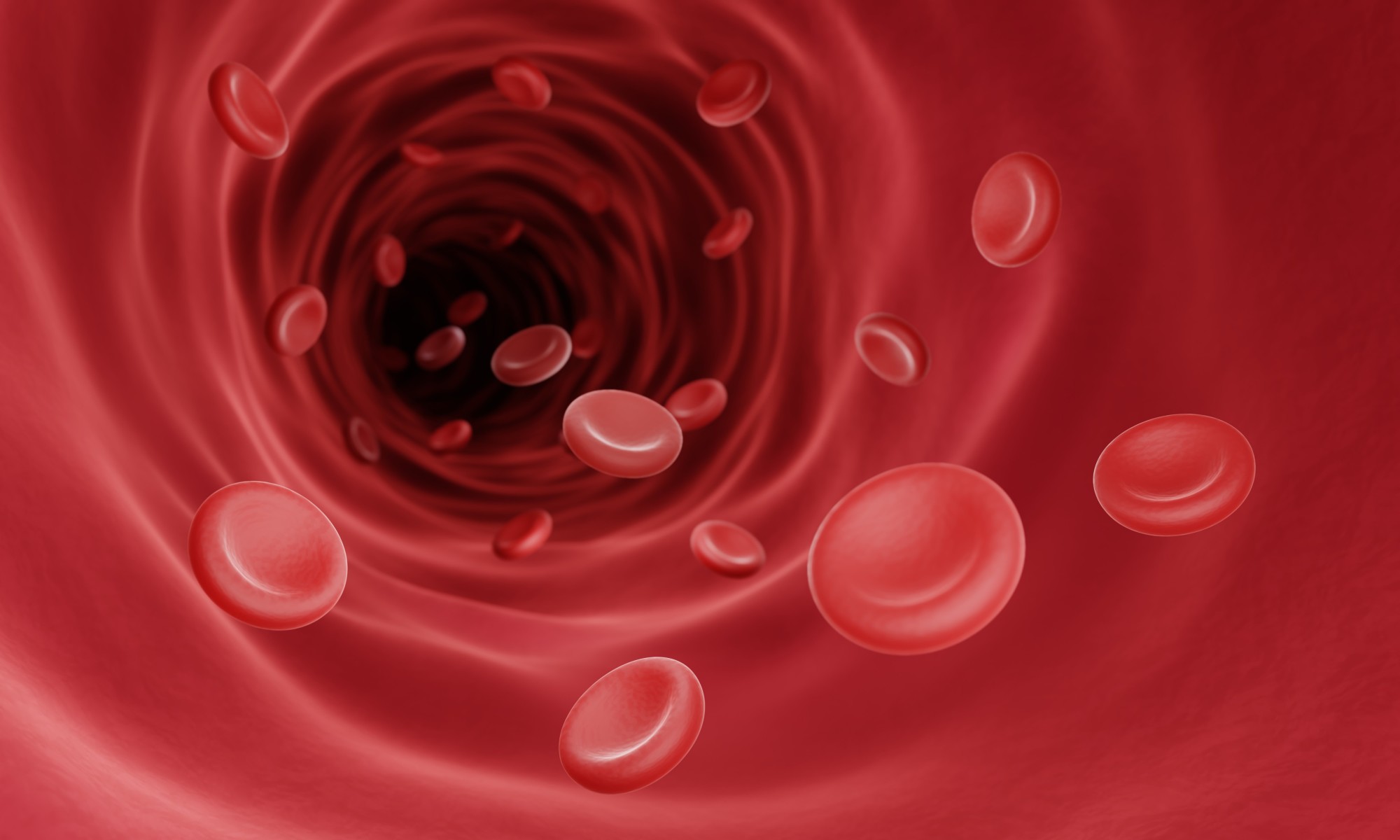
Platelets play a role in stopping bleeding. When a blood vessel is injured, they gather to plug the hole.
Therefore, if their number decreases, you may bleed easily or find it difficult for bleeding to stop. However, a slightly lower-than-standard count does not immediately mean you will experience bleeding. How much it has dropped and whether it continues to decrease are more important.

Reasons for a decrease
If you have recently had a viral infection, your platelet count may temporarily decrease during recovery. Some medications you are taking may have an effect, and it can also appear with excessive alcohol consumption, liver disease, or spleen problems.
It also decreases if there is a problem with bone marrow function, which produces blood cells, or in diseases where the immune system excessively destroys platelets. Since there are many possibilities, organizing recent illnesses, medications taken, and drinking habits can help with a quicker diagnosis.
Signals from the body
If you bruise frequently without bumping into anything, experience frequent nosebleeds and gum bleeding, or if a small cut bleeds for a long time, you may want to investigate further.
A sudden increase in small, red spots on the skin is also a symptom to watch out for. If bleeding does not stop, or if you notice bloody stools, black stools, or blood in your urine, you should get tested without delay.
Reasons for retesting
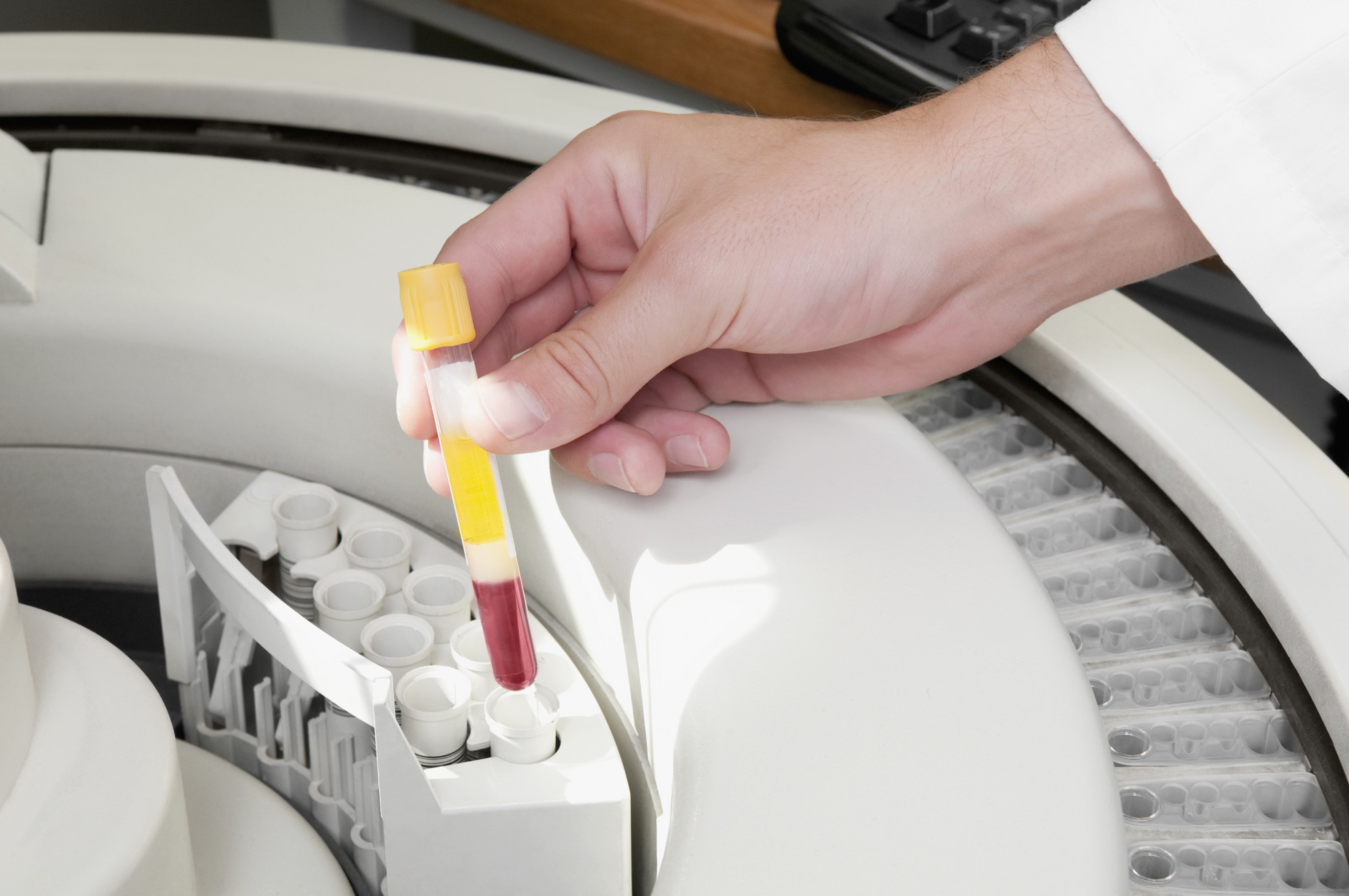
A low result does not immediately mean you have a disease. If platelets clump together during blood collection and testing, the measurement may be lower than the actual count.
Therefore, if necessary, we retest to confirm if it is truly low and compare it with previous results to observe the trend. We also check if red and white blood cells are also fluctuating, and if the count continues to decrease, we add tests to check liver function or for infection.

Reviewed by: Dr. Kim Seonhoo · Gastroenterology Subspecialist, Digestive Endoscopy Subspecialist Last reviewed 2026-09-02
This article is intended to provide general health information, and the cause and necessary tests may vary depending on individual conditions. If symptoms persist, please consult with medical staff for confirmation.