

There are days when your mouth feels dry even without climbing stairs, and your thirst isn't easily quenched even after drinking water. If this is accompanied by a noticeable increase in urination, it's difficult to dismiss it as simple thirst.
Unlike temporary thirst due to heat or excessive sweating, if thirst and frequent urination persist together without a clear reason, it's necessary to consider other causes beyond just your body's hydration status, such as blood sugar levels.
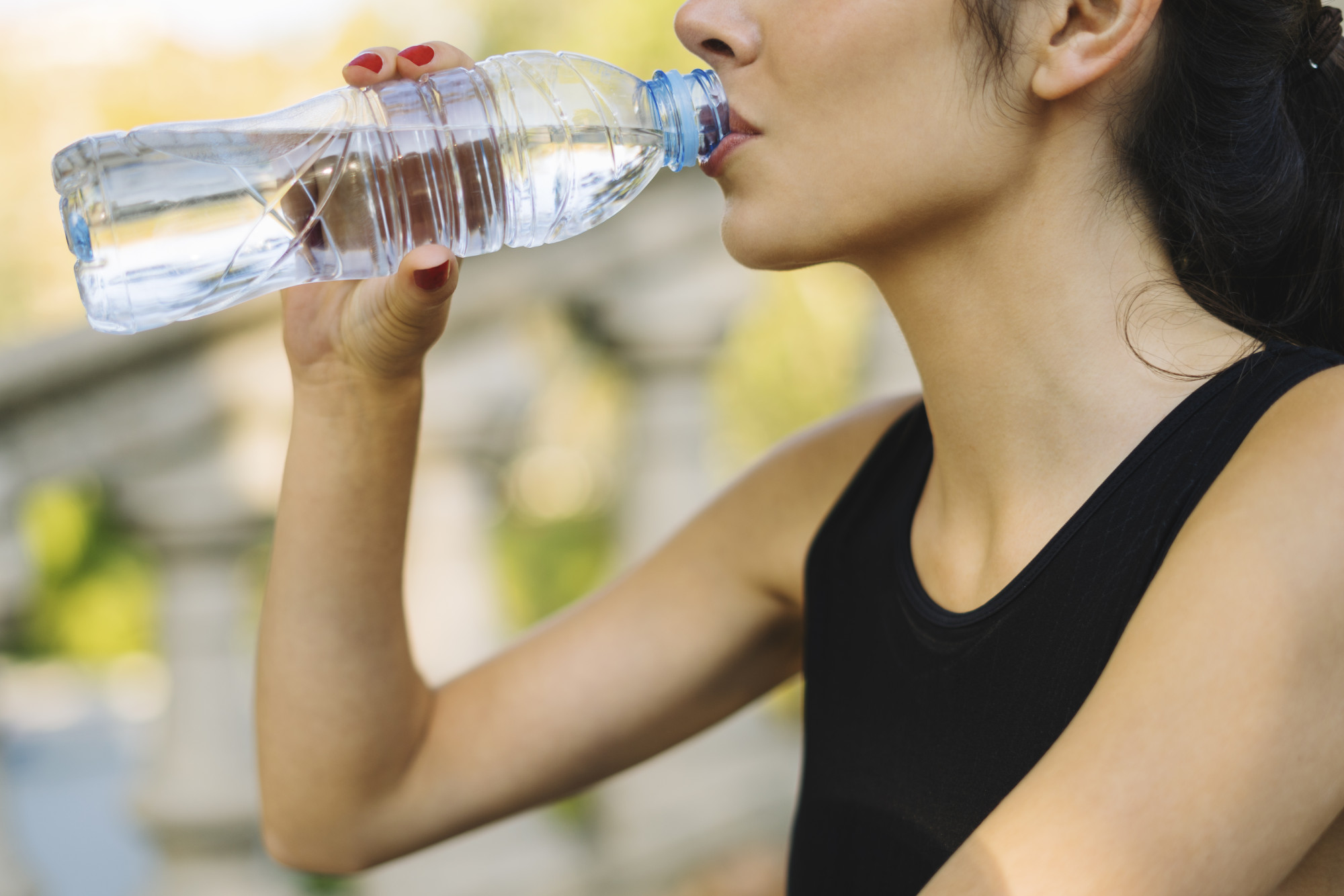
When Thirst Temporarily Worsens
Thirst can naturally worsen when you sweat a lot in hot weather or after exercise, or when your body loses water due to diarrhea or vomiting. You might also feel a dry mouth if you've increased your intake of salty foods, caffeine, or alcohol, and some medications can reduce saliva production, causing dry mouth. In such cases, it's helpful to first review your recent eating habits and medications.
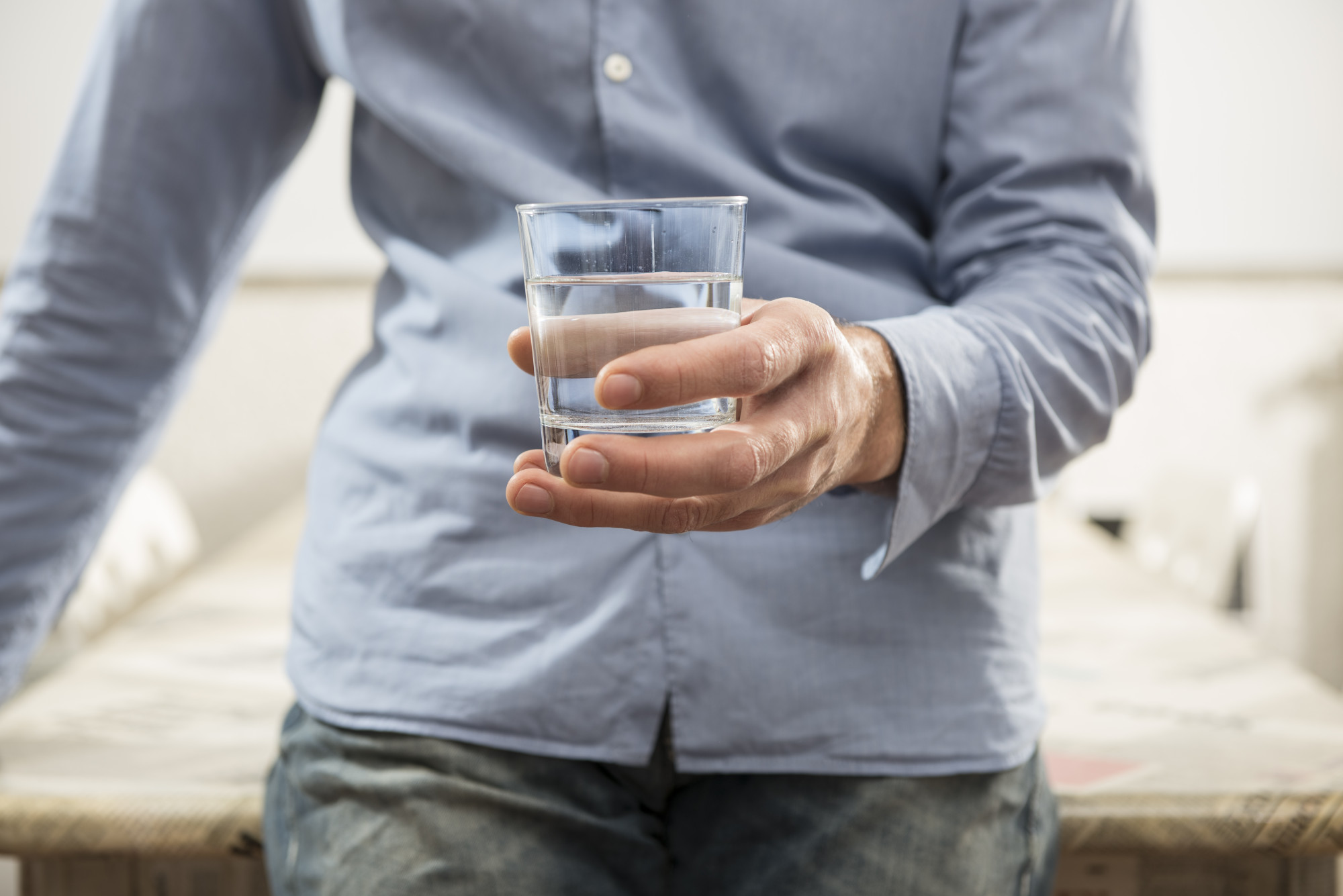
If Thirst and Frequent Urination Occur Together
If you drink water frequently but your thirst isn't relieved, and your urination frequency has also increased, it could be a sign to check your blood sugar. When blood sugar levels are high, the body tries to excrete excess glucose through urine. In this process, urine volume increases, and water loss becomes significant, which can lead to both thirst and frequent urination. This might also be accompanied by symptoms such as easy fatigue, weight loss without changes in appetite, slow wound healing, or blurred vision. However, diabetes cannot be definitively diagnosed based solely on thirst and frequent urination; a blood test is necessary to check blood sugar levels.
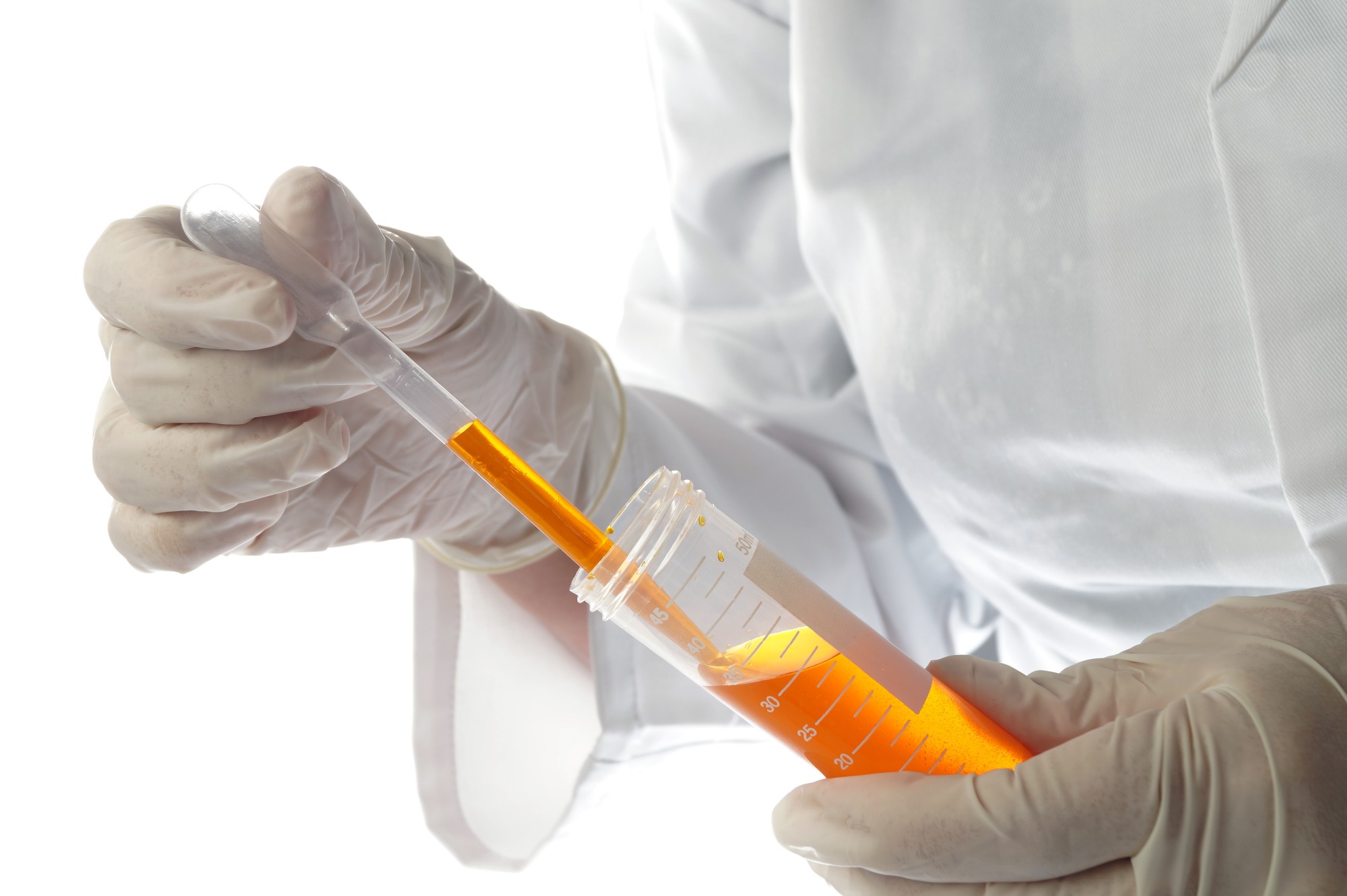
Tests to Check When Thirst Persists
If thirst and frequent urination continue, it's a good idea to first organize information about when the symptoms started, your daily water intake, and the frequency of urination. Your blood sugar status can be checked with a fasting blood sugar test or a glycated hemoglobin test. A urine test can also be done to see if sugar or protein is being excreted in your urine. If there are no abnormalities in blood sugar, other causes such as kidney function, electrolyte status, or medications you are taking will be further investigated.
If your thirst doesn't subside even after drinking enough water, or if it's accompanied by increased urination, changes in weight, or fatigue, we recommend recording your thirst patterns and identifying the cause through necessary tests.
This article is intended to provide general health information, and the cause and necessary tests may vary depending on an individual's condition. If symptoms persist, please consult with a medical professional for confirmation.