
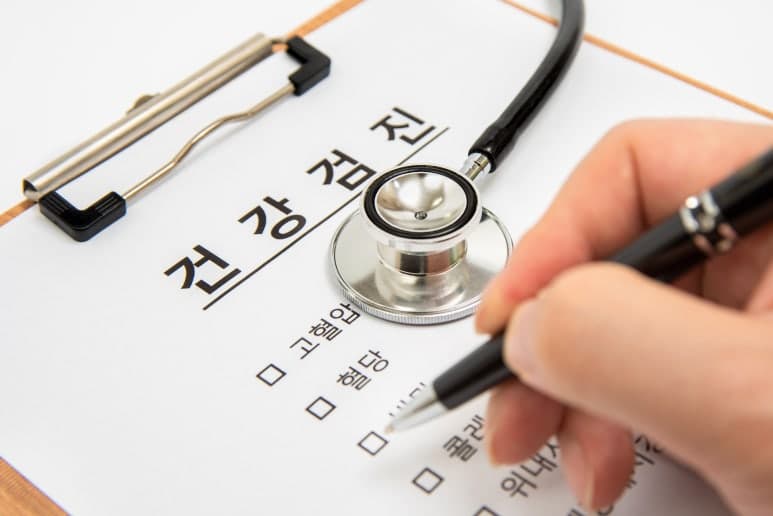
It's easy to put off a health check-up if you don't feel any particular pain. However, it's difficult to accurately know your body's condition just by how you feel normally, and even if there are no visible changes, signals requiring management may appear inside your body first. Regular check-ups are a process of confirming your current health status and identifying areas to be mindful of in the future.
No symptoms doesn't mean no problems.
Blood pressure, blood sugar, and cholesterol levels are often not immediately noticeable in daily life. Even if you feel tired, it's easy to attribute it to a busy life, and you tend to think you're fine if there's no pain. However, there are cases where unexpected changes in numbers are confirmed during a check-up.
Here's a summary of what basic check-up items examine:
| Test | Hard-to-know-from-the-outside check points |
|---|---|
| Blood test | Anemia, abnormal liver function, abnormal blood sugar |
| Urine test | Changes in kidney function |
| Blood pressure measurement | Presence of high blood pressure |
| Chest X-ray | Condition of lungs and chest |

Chronic diseases start quietly.
High blood pressure, diabetes, and dyslipidemia often have no distinct symptoms in their early stages. If you fall into the categories below, your related numbers may have changed, requiring regular checks.
- If your eating habits have become irregular
- If your exercise volume has noticeably decreased
- If you've had recent weight changes
An abnormal finding in a check-up doesn't immediately mean a major illness. However, if problems are repeatedly seen in the same item or numbers outside the standard are confirmed, additional checks and lifestyle habit reviews may be necessary.

The stomach and large intestine must be seen directly with an endoscope.
If you repeatedly experience heartburn, bloating, and frequent indigestion, it's necessary to check the condition of your stomach lining. Gastroscopy is an examination that directly observes the esophagus, stomach, and duodenum to check for abnormalities such as inflammation or ulcers.
It's also difficult to judge the condition of the large intestine based on symptoms alone. Colonoscopy may be necessary if you have constipation, diarrhea, abdominal discomfort, bloody stools, or depending on your age and family history. It's good to check fasting times, medications you are taking, and preparations in advance before the examination, and specific procedures can be seen in the Examination Guide.

Reading the results is part of the check-up.
It's not over just by getting the tests; the process of looking at the results to see if they are within the normal range, if additional tests are needed, or if there are any lifestyle habits to adjust is important. Items that require management, such as liver enzyme levels, blood sugar, and cholesterol, are closely linked to lifestyle habits.
A health check-up is not just a test to get when a major illness is suspected, but a basic health management method to objectively examine your current body condition. If you are considering when to get a check-up near Jangok-dong, Siheung, it's better to check according to the scheduled time rather than postponing it, as this can help detect chronic diseases early. Before visiting, please refer to the Clinic Hours Guide to schedule your visit.
Feel free to ask any questions via chat
Dr. Kim Seonhoo (Specialist in Gastroenterology, Specialist in Gastrointestinal Endoscopy) · Meet Our Medical Team · Last reviewed 2026-08-06