


Recurring Stomach Discomfort: Should You Just Ignore It?
More and more people are experiencing frequent bloating, a burning sensation in the pit of their stomach, or a change in their bowel rhythm. This is often due to the burden placed on the stomach and intestines by irregular meals and frequent consumption of irritating foods. While it's easy to dismiss these as simple temporary issues, if the same discomfort recurs, it may be better to check the condition of your digestive system with a Geomodo endoscopy.
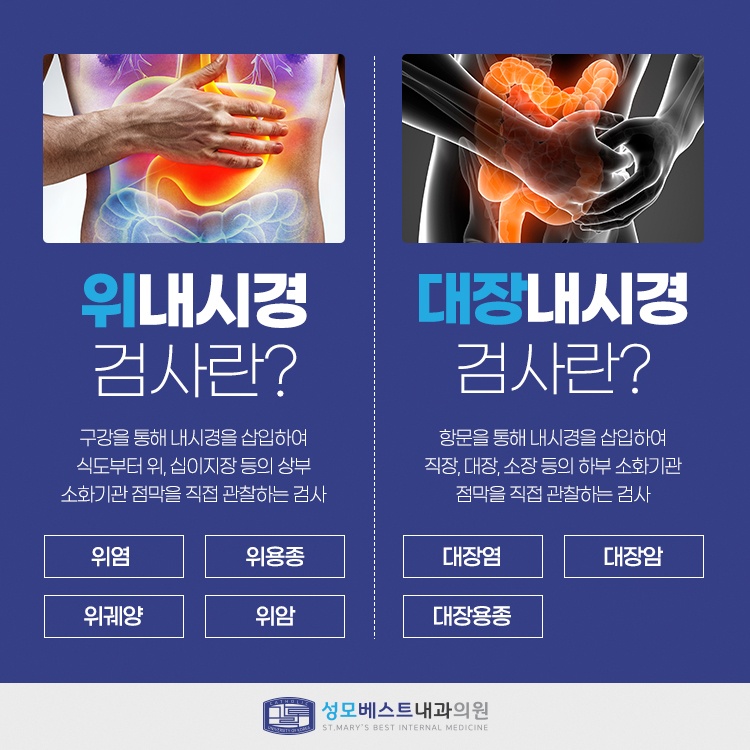
Consider a Check-up if You Have These Signs
- Heartburn, indigestion, frequent burping, and abdominal distension
- Changes in bowel movements, such as alternating constipation and diarrhea
- Bloody stools or accompanying abdominal pain
Gastritis, stomach ulcers, and inflammatory changes in the intestines often progress without clear pain in the early stages, making them difficult to detect on your own. This is why Geomodo endoscopy is used to identify the cause of ambiguous symptoms.

Gastroscopy and Colonoscopy: What Do They Each Examine?
| Examination | Scope of Observation | What is Checked |
|---|---|---|
| Gastroscopy | Esophagus, stomach, duodenum | Presence of mucosal inflammation, ulcers, polyps |
| Colonoscopy | Entire large intestine | Polyps, bleeding, inflammatory changes (immediate removal if necessary) |
Receiving both examinations together allows for a comprehensive check of the entire digestive system at once, making it easier to establish a management plan. You can check the preparation and procedure steps before the examination in the Examination Guide.
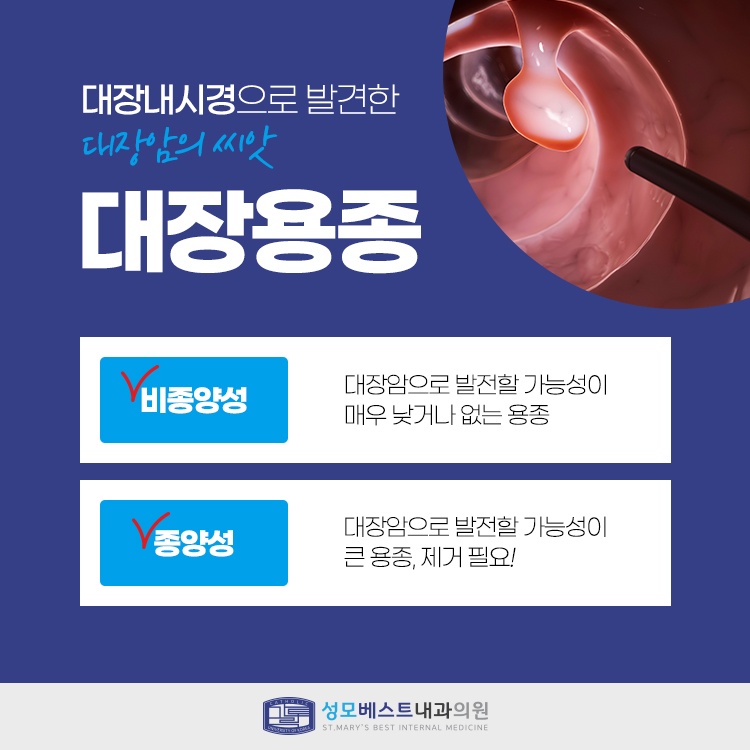
Why Get an Examination Even Without Symptoms
Stomach and colon diseases often have no particular discomfort in the early stages, and by the time symptoms appear, the scope of the disease may already be extensive. In particular, colon polyps can significantly reduce future burden simply by being removed upon discovery, making preventive endoscopy important. If you have a family history or an irregular diet, it may be worth considering a check-up regardless of whether you have symptoms.
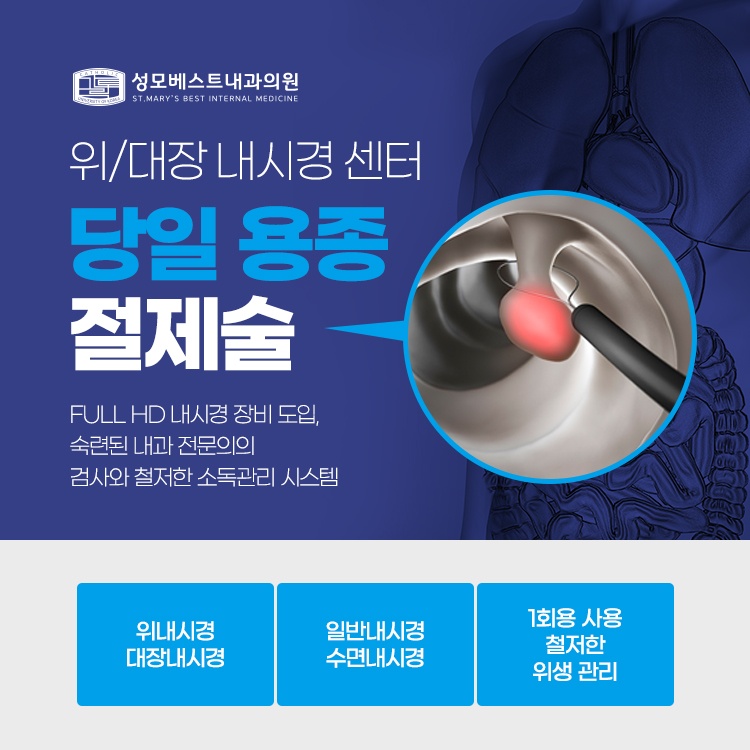
Preparation Before and After the Examination, Like This
- It is advisable to adjust the examination cycle based on age, lifestyle, and existing symptoms.
- Adhering to preparation procedures such as fasting and bowel cleansing before the examination helps in confirming the results.
- Receiving guidance on the appropriate examination direction for your current condition during a pre-consultation can reduce your burden.
- It is recommended to also receive explanations on returning to daily life and dietary management after the examination.
If you are scheduling an examination, it is convenient to check the Clinic Hours Guide first.
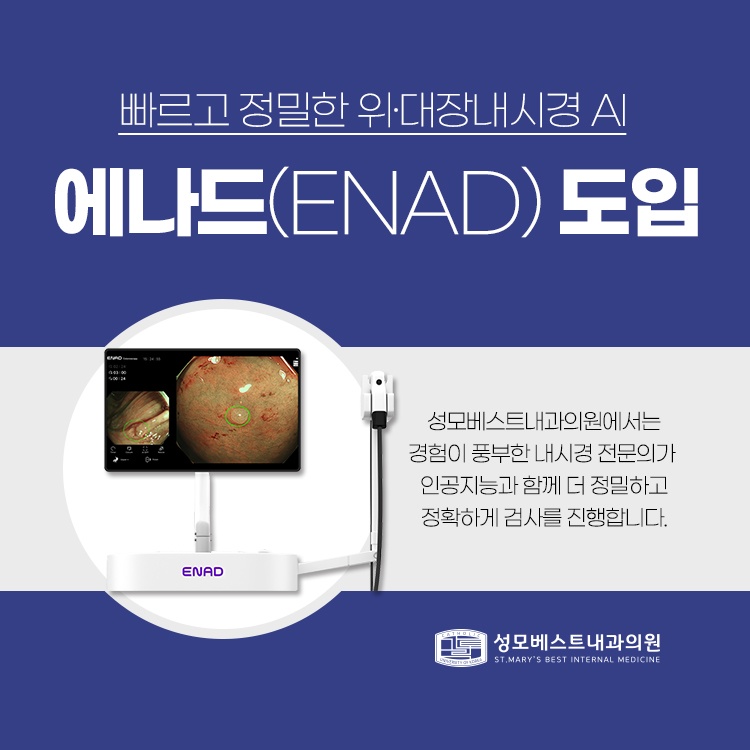
Examination Results Are the Starting Point for Lifestyle Management
Endoscopy does not end with finding diseases; it becomes the starting point for establishing standards for future lifestyle management. Many people use Geomodo endoscopy to check the condition of their stomach and intestines as an opportunity to review their eating habits and lifestyle rhythms.

If you experience recurring discomfort, we recommend that you do not delay and check your current condition. Consistent check-ups and management can help maintain a stable flow of digestive health, and the timing and method of examination may vary depending on the individual.

Feel free to ask any questions via chat
Dr. Kim Seonhoo (Specialist in Gastroenterology, Specialist in Gastrointestinal Endoscopy) · Medical Staff Introduction · Last reviewed 2026-08-06