


Even if you look in the mirror or feel your abdomen, you cannot see changes within your large intestine. Changes that occur in the large intestine often do not manifest externally in the early stages, making them easy to overlook in daily life. Therefore, even if you don't experience noticeable discomfort, making sure to get regular Jang-gok-dong colonoscopy screenings is the starting point for managing your intestinal health.
Why Polyps Are Called the "Seeds of Colorectal Cancer"
Colorectal polyps are small growths that form on the lining of the large intestine. While they may not cause any symptoms immediately, some can slowly grow over a long period and progress into cancer, which is why they are often called the seeds of colorectal cancer. Identifying and removing them at the "seed" stage is the core purpose of a colonoscopy screening.

Why Screening Is Necessary Even Without Symptoms
Problems occurring inside the intestines are often difficult to detect on your own. If you only start looking for the cause after your body's condition has significantly worsened, you may miss the optimal time for management. A colonoscopy is an examination that allows direct visual confirmation of subtle abnormal signals, serving as a foundation for investigating causes before changes become extensive.

What a Colonoscopy Confirms and Resolves On the Spot
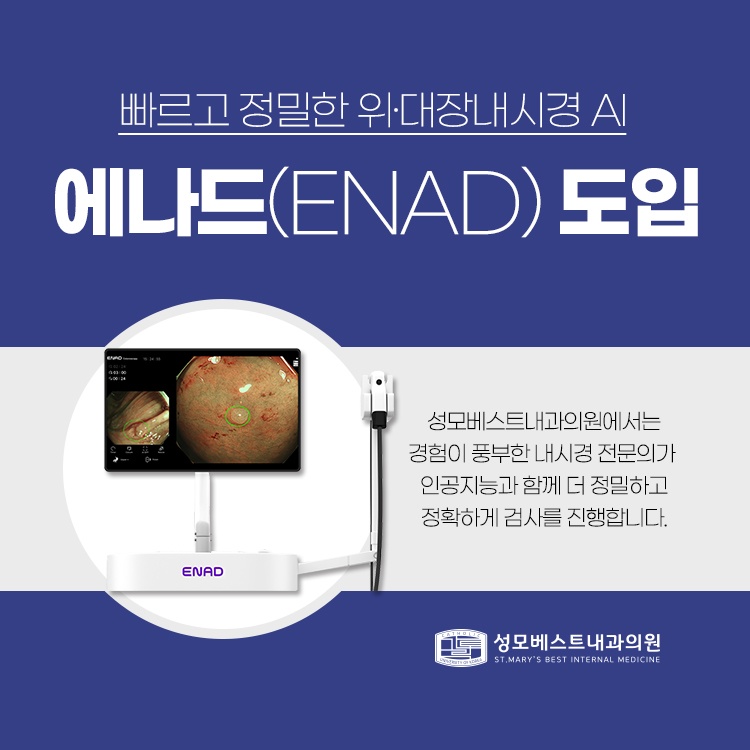
A colonoscopy is a basic examination to check for changes such as polyps or inflammation.
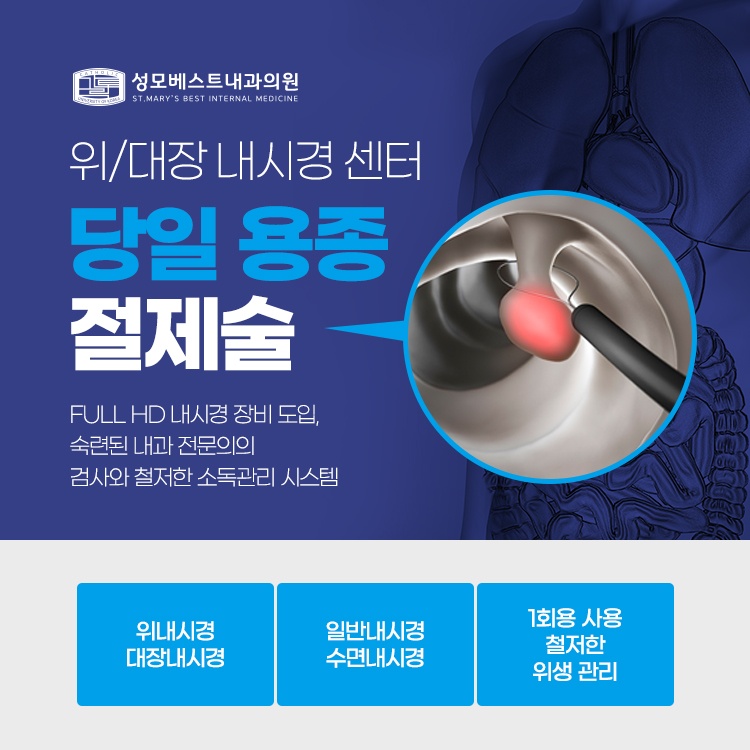
- Polyps: If found during the examination, they may be removed on the same day. This means the examination and treatment can be performed at once.
- Inflammation: The condition of the mucous membrane is directly observed to understand the progression of changes.
- Follow-up Plan: Based on the findings, the next examination cycle and management plan are established.
Since changes in the large intestine can progress more slowly compared to other organs, it is advisable not to conclude with a single result but to observe the progression over time. If you are curious about the preparation process and procedures for the examination, you can check them in advance in the Examination Guide.
Checking Lifestyle Habits That Affect Intestinal Health
Everyday eating habits and activity levels are deeply related to intestinal health. If many of the items below apply to you, a burden may be accumulating in your intestines.
- A diet that frequently includes fatty foods
- Frequent late-night snacks
- A lifestyle pattern with long periods of sitting
After the screening, you should compare your lifestyle and intestinal condition side-by-side and then follow up with the process of finding necessary adjustment methods. The difference created by small practices accumulating can be greater than you think.
Post-Examination Management Is Half the Battle
Screening is just the beginning; post-examination management is often more important. By combining dietary adjustments, activity level planning, and lifestyle pattern checks based on the results, you can maintain a more stable intestinal condition. The ability to respond quickly when changes occur is also an advantage of regular screenings.

Make Screening Your Own Routine
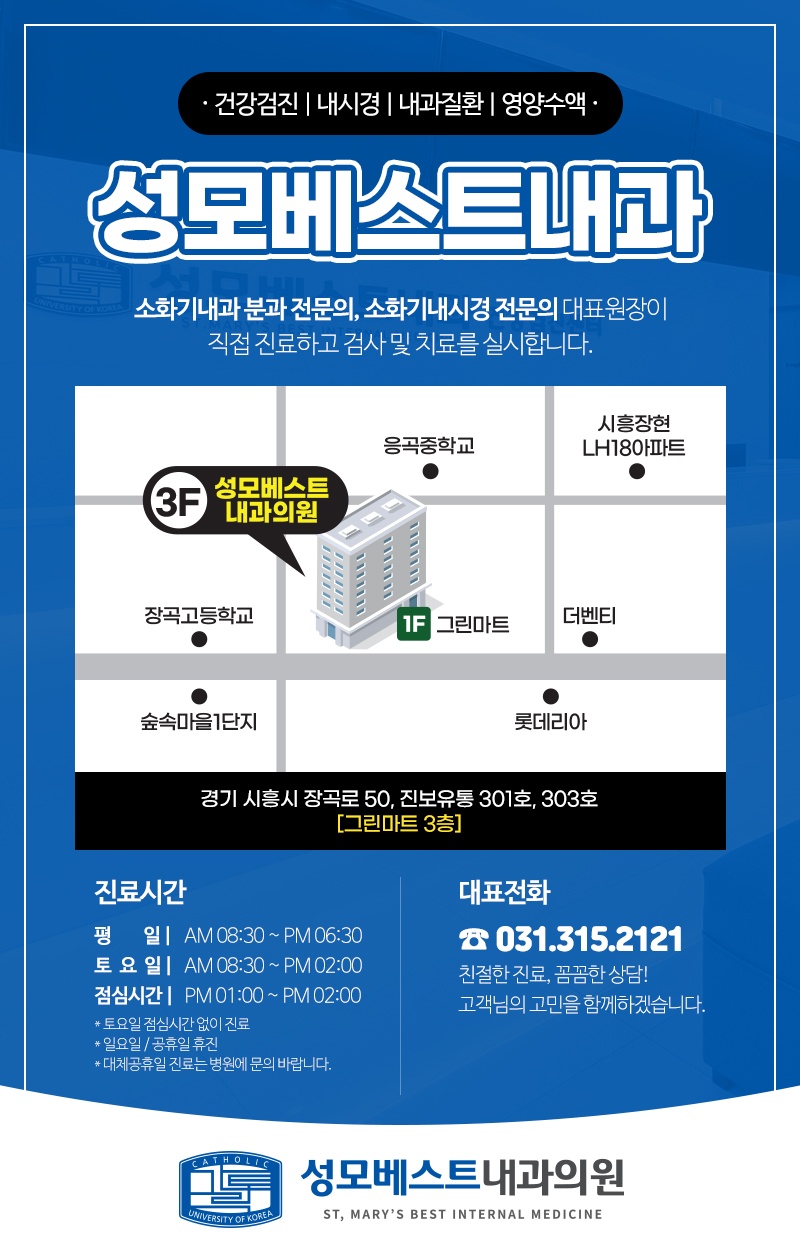
A Jang-gok-dong colonoscopy screening is not a one-time event but rather a fundamental routine for long-term health management. Intestinal health becomes stronger when regular check-ups and lifestyle management go hand in hand. If you wish to schedule a screening in the Siheung living area, please refer to the Clinic Hours Guide to plan your visit.
Feel free to inquire about any questions via chat
Dr. Kim Seonhoo (Specialist in Gastroenterology, Specialist in Gastrointestinal Endoscopy) · Meet Our Medical Team · Last reviewed 2026-08-06