
In the evening, sock marks are unusually deep, and shoes that fit well in the morning feel tight on the way home from work. Many people experience ankle swelling at some point. While it usually passes as a temporary phenomenon, if the same swelling recurs, it could be a signal from your body's circulatory system, indicating issues such as poor blood circulation, fluid retention, or weakened lower body muscle function.
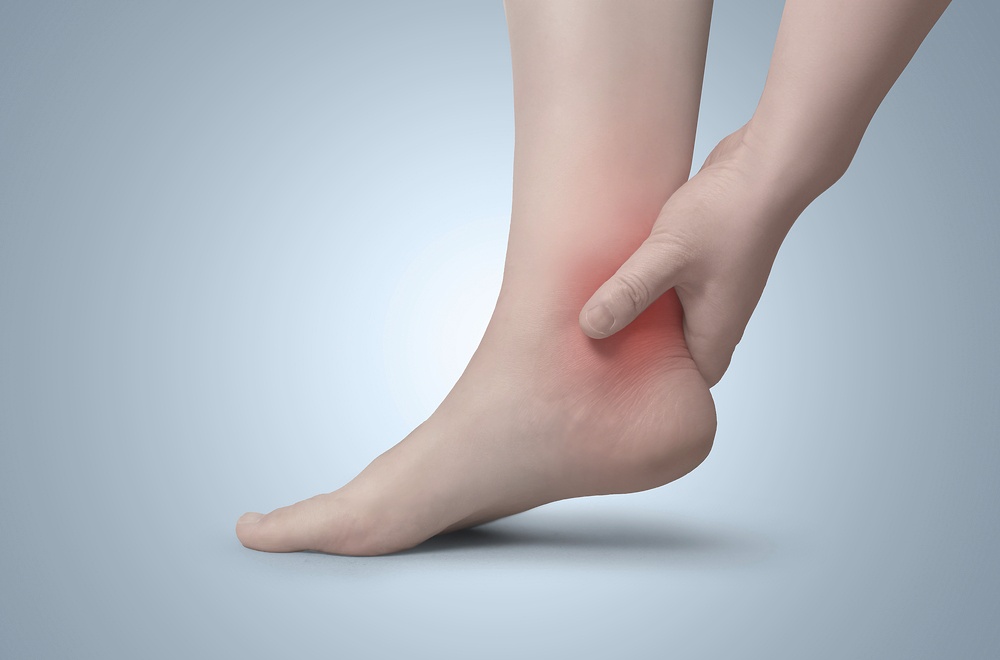
Common Causes of Ankle Swelling
Poor Blood Circulation and Fluid Retention
- When sitting or standing in the same position for a long time, blood tends to pool in the lower body due to gravity, and venous circulation returning to the heart slows down, causing fluid to accumulate around the ankles.
- This symptom is particularly common in office workers who sit for long hours or those whose jobs require standing all day.
- Frequently eating salty foods or insufficient water intake can lead to an imbalance in sodium concentration, preventing water from leaving the body and potentially worsening edema.
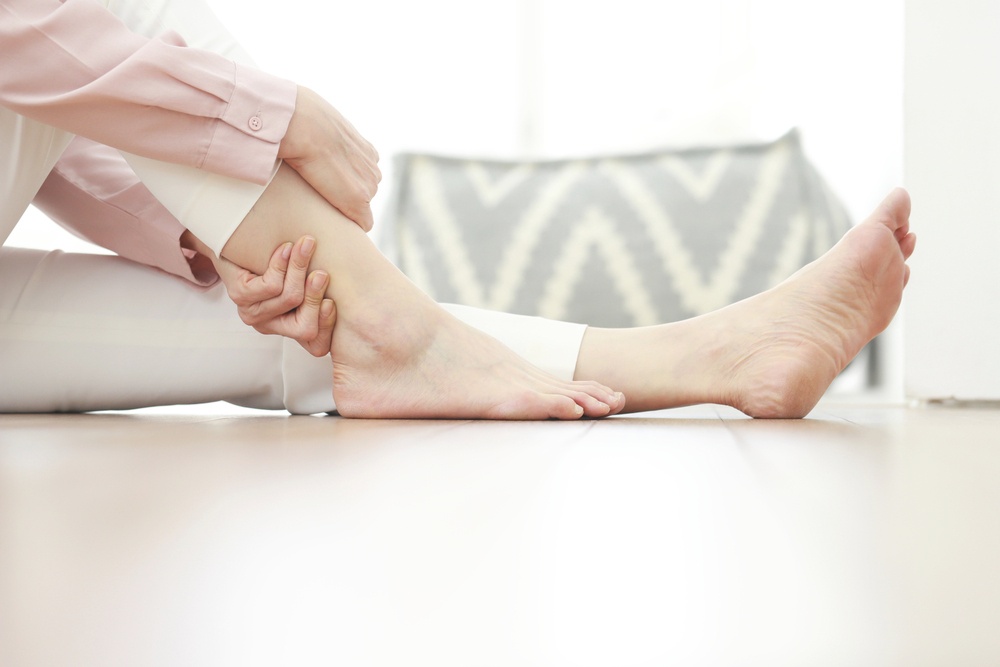
Swelling Due to Inflammation and Illness
Inflammatory factors are surprisingly easy to overlook. After spraining an ankle or overusing muscles, temporary edema can occur due to an inflammatory response. Conditions such as varicose veins, thyroid dysfunction, and impaired kidney function can also cause chronic ankle swelling. For women, temporary swelling due to hormonal changes before and after menstruation is also common.
If swelling is accompanied by warmth, pain, or a heavy sensation, it is important to consider circulatory disorders or inflammatory conditions rather than just simple fatigue.

Recovery Habits to Practice in Daily Life
| Habit | How to Practice |
|---|---|
| Elevate Legs | Use a cushion or pillow to keep your legs higher than your heart |
| Change Posture | Avoid crossing legs and staying in the same position for long periods; stretch and rotate ankles frequently |
| Water and Salt | Drink 1.5-2 liters of water daily, reduce salt intake |
Drinking too little water can actually cause fluid retention in the body, so the key is to reduce salt while ensuring sufficient hydration.
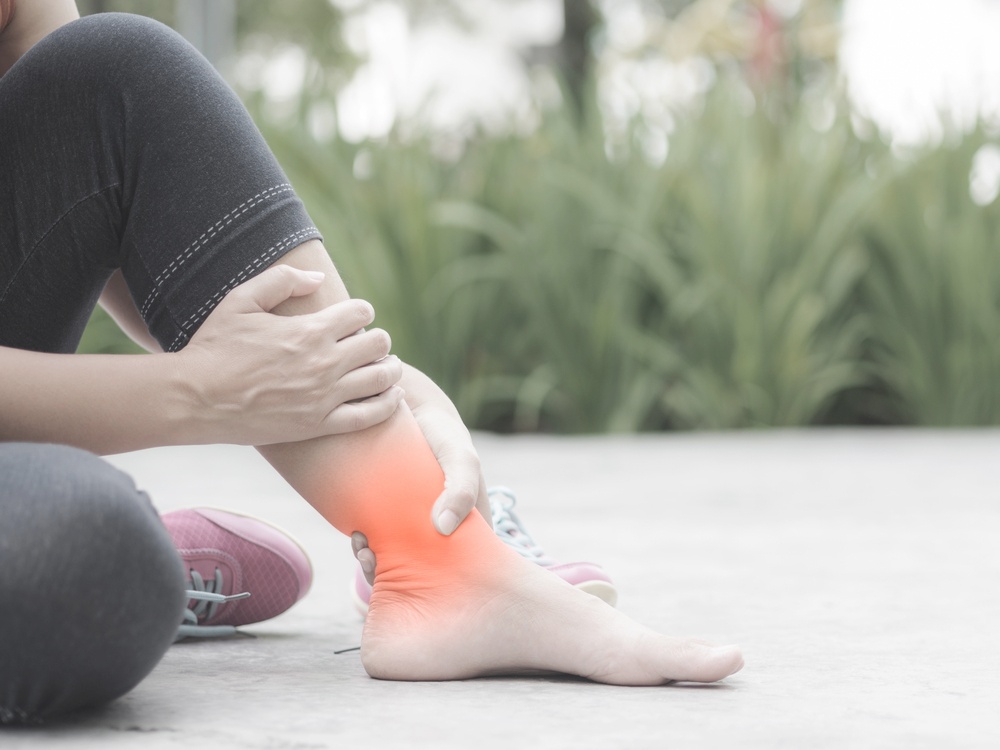
Calf Muscles are the Pump of the Lower Body
The calf muscles act as a pump, pushing blood back to the heart. If these muscles weaken, circulation can decrease, leading to easy onset of edema. The following exercises can help prevent ankle swelling:
- Light walking, cycling, swimming
- Calf raises (standing on tiptoes)
- After exercise, alternate hot and cold compresses to stimulate blood flow
When to Seek Medical Attention
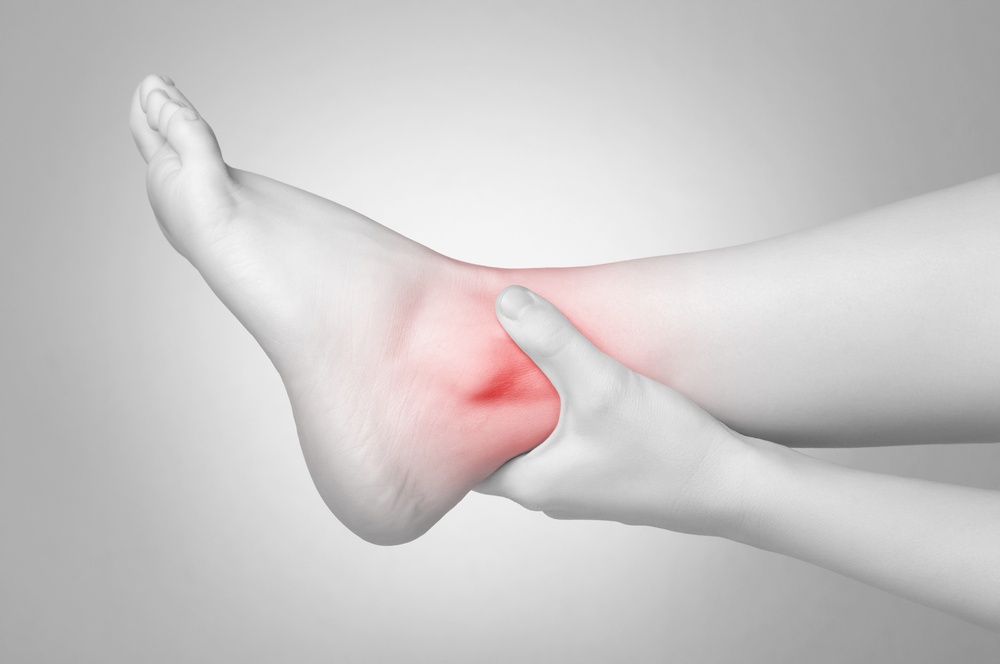
If swelling does not subside after a day or two, or if it recurs, it could be an early sign of circulatory imbalance or an underlying condition. While many cases improve with consistent stretching, improved lower body circulation, and a balanced diet, the degree of recovery can vary from person to person. If lifestyle management does not lead to improvement, it is advisable to consult a doctor to identify the precise cause. If you are curious about the examination process, please refer to our Examination Guide. If swelling is accompanied by pain, it is important not to neglect it.
Ankle swelling is a common symptom that can affect anyone, but if it recurs, it could be a warning from your body's circulatory system. The best way to recover is to restore balance through light exercise that aids blood circulation, dietary management, and adequate rest. We hope you can regain light steps by consistently practicing small habits. If you are planning a visit, it is convenient to check our Clinic Hours first.
Feel free to inquire about ankle swelling via chat
Dr. Kim Seonhoo (Specialist in Gastroenterology, Specialist in Gastrointestinal Endoscopy) · Meet Our Medical Team · Last reviewed 2026-08-06