

After a workout, if your elbow aches, it's easy for most people to dismiss it as "just muscle soreness from overuse." However, in many cases, the actual cause is inflammation resulting from overuse of joints, ligaments, and muscles. If you enjoy exercises that repeatedly use your arms, such as weight training, tennis, or golf, you might have experienced this pain at some point. If left untreated without knowing the cause, it can lead to chronic pain or inflammatory diseases, so caution is needed.
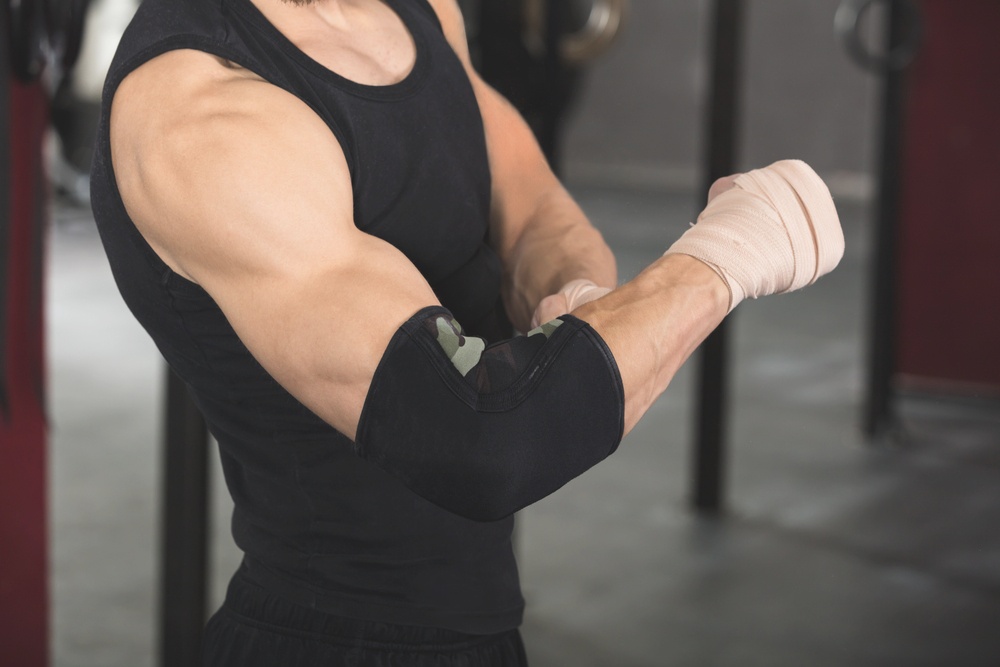
Why Does My Elbow Hurt Specifically?
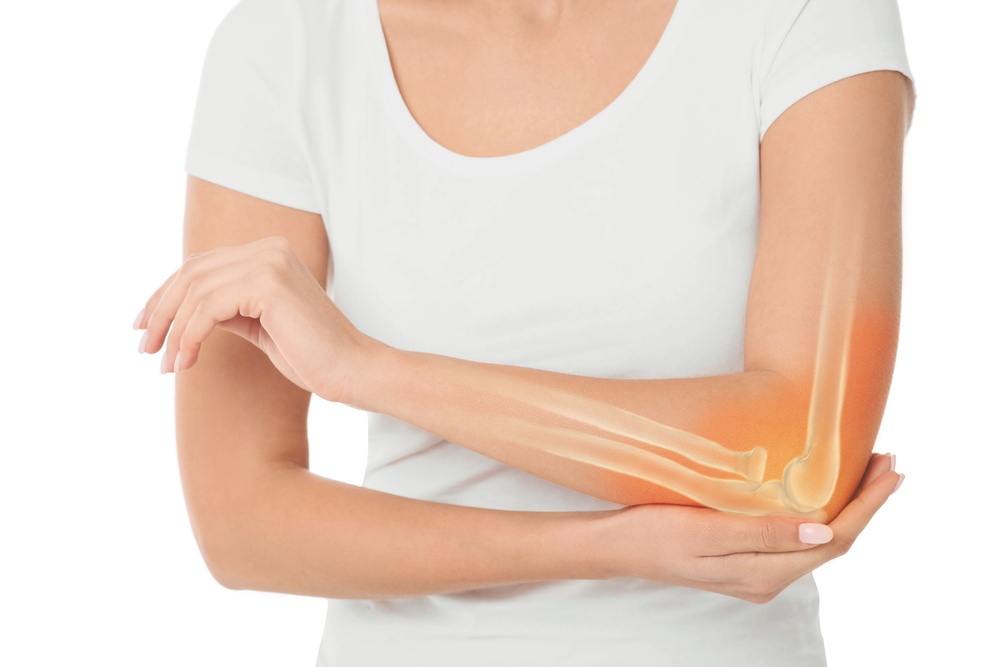
The biggest reason is overuse of joints and muscles. The elbow is a complex structure where three bones—the humerus, radius, and ulna—meet, and the ligaments and tendons in this area are vulnerable to repetitive strain. Lifting heavy weights excessively or starting exercise without stretching can damage the tissues around the elbow.
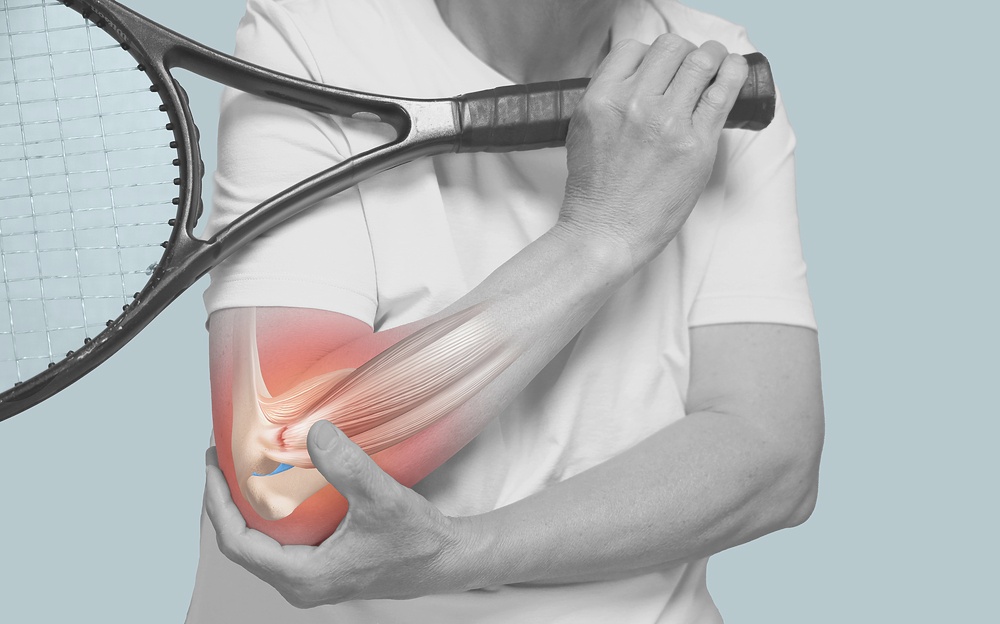
The representative conditions are commonly known as Tennis Elbow and Golf Elbow.
| Category | Pain Location | Common Symptoms |
|---|---|---|
| Tennis Elbow (Lateral Epicondylitis) | Outer side of the elbow | A sharp tingling sensation when gripping objects |
| Golf Elbow (Medial Epicondylitis) | Inner side of the elbow | Pain accompanied when bending the arm |

Incorrect Posture Worsens the Pain
Elbow pain after exercise can also occur when incorrect posture is repeated. If you lift weights with an incorrect shoulder or wrist angle, excessive load is placed on the elbow, and small injuries can accumulate along with muscle imbalance, easily leading to inflammation. Especially for exercise beginners, if you ignore the signals of muscle fatigue and continue exercising, the pain can easily become chronic. Therefore, if the pain persists for more than a few days, it is advisable to adjust the exercise intensity and check for the underlying cause.
If You Experience Pain, Here's How to Respond
- Sufficient Rest: Prioritize not repeatedly stimulating the painful area.
- Cold Compress: Helps reduce swelling and inflammation.
- Gentle Stretching: After the pain subsides, helps relieve muscle tension and improve blood flow to aid recovery.
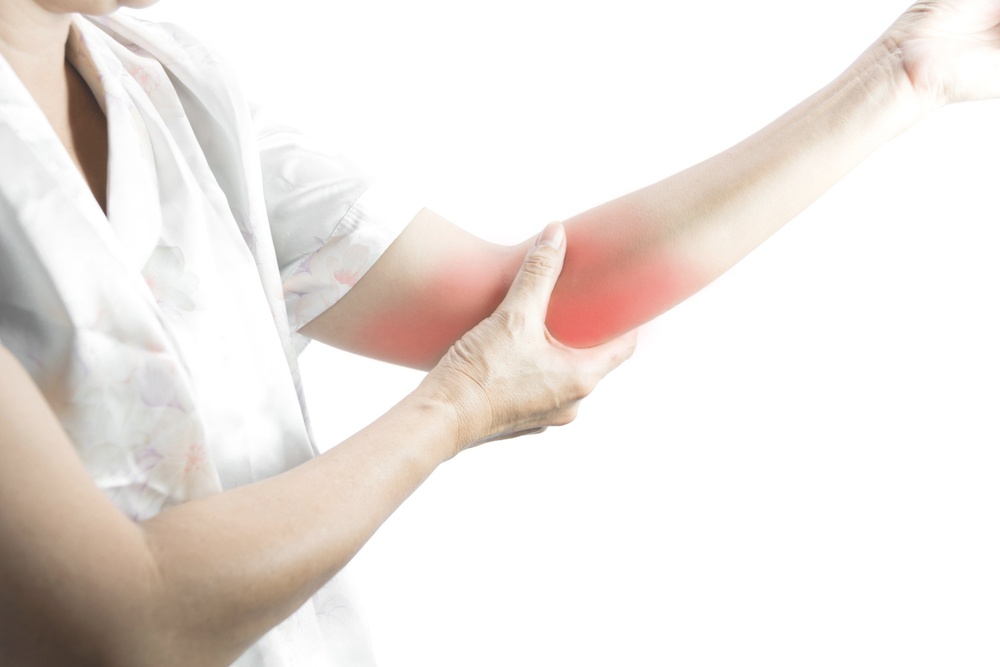
However, if the pain is severe or spreads to the wrist and shoulder, it may not be simple muscle soreness but rather tendinitis or ligament damage. In such cases, it is safer to accurately identify the cause through a medical examination, and the recovery speed may vary from person to person. If you are curious about which medical staff provides treatment, you can check the Medical Staff Introduction.
Preventive Habits for Exercising Longer Without Pain
- Stretching to increase the mobility of the elbows, shoulders, and wrists before and after exercise is essential.
- Do not suddenly increase weights or repetitions; maintain an intensity appropriate for your muscle strength level.
- Periodically check your exercise posture to avoid straining your elbows.
- Incorporate auxiliary exercises to balance muscles.
Recurring Pain Is a Signal From Your Body
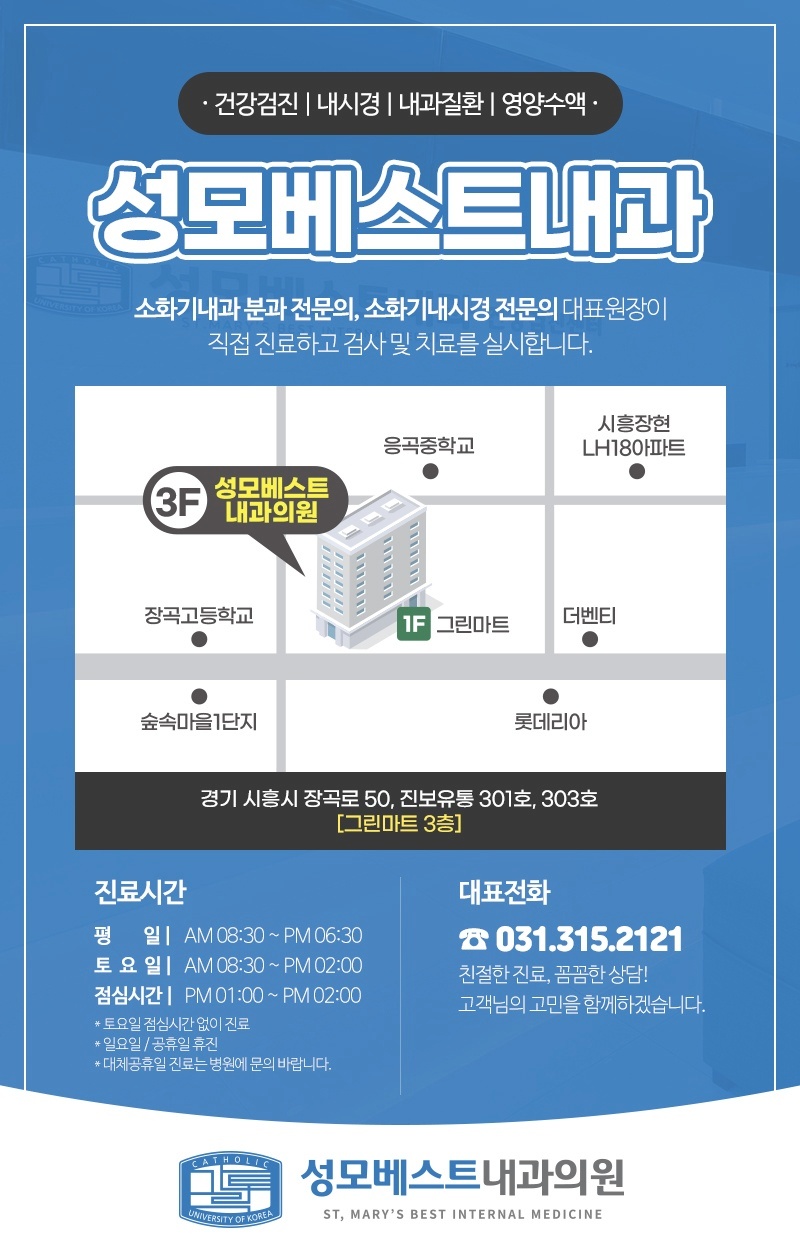
Elbow pain after exercise is often not just a matter of exercise volume, but a matter of body balance and recovery management. Exercising without overexertion, correct posture, sufficient rest, and stretching. These three are the best preventive measures. If pain recurs, it should be taken as a sign that it is not simple muscle soreness and managed early. If you are planning to visit Sungmo Best Internal Medicine in Jangok-dong, Siheung, please check the Clinic Hours first.
If you are concerned about elbow pain, feel free to inquire via chat
Dr. Kim Seonhoo (Specialist in Gastroenterology, Specialist in Gastrointestinal Endoscopy) · Medical Staff Introduction · Last reviewed 2026-08-06