


If you repeatedly experience tingling in your legs when you stand up after sitting, and your calves feel heavy and numb in the evening, it may be more than just simple fatigue. Persistent or long-lasting leg numbness can be a sign of problems with your nerves or blood vessels. Common causes include herniated disc, spinal stenosis, and poor blood circulation. Even if it starts as a mild discomfort, over time it can make walking difficult or reduce sensation in your legs, interfering with daily life, so early management is important.
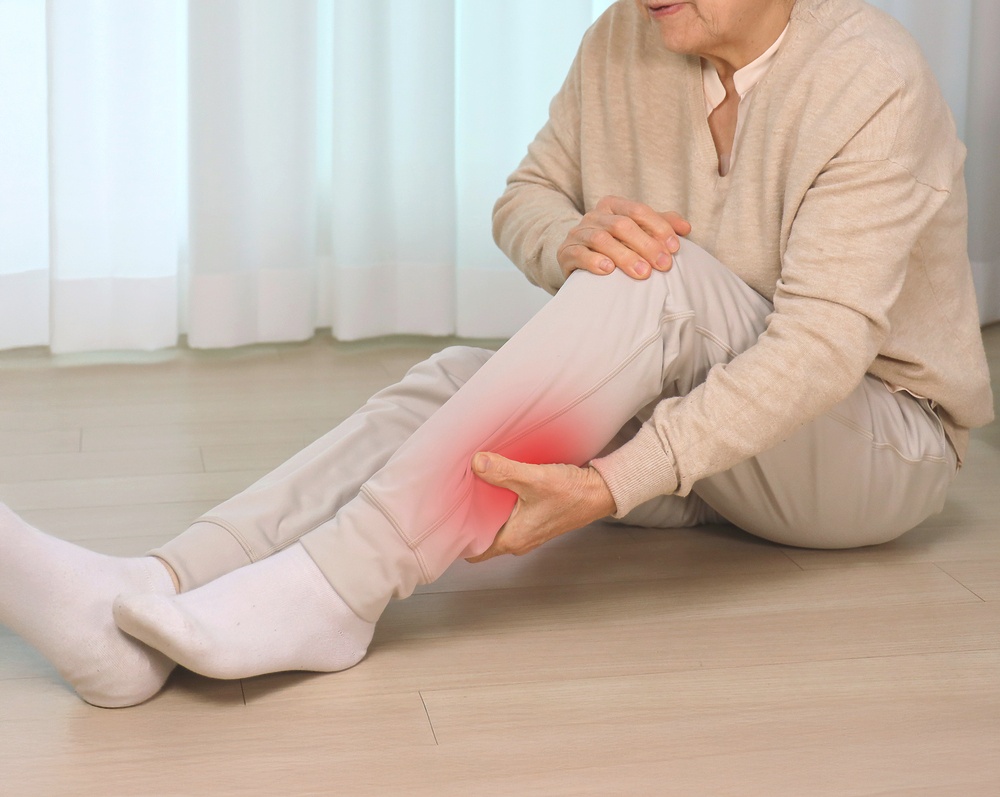
Why Does Leg Numbness Occur?
The causes are broadly divided into two categories: nerve compression and circulation problems.
| Category | Common Causes | Characteristics |
|---|---|---|
| Nerve Compression | Herniated Disc | A slipped disc presses on a nerve, causing pain and numbness. Tends to worsen when sitting for long periods or bending the back. |
| Nerve Compression | Spinal Stenosis | The passage through which nerves pass narrows, compressing the nerves leading to the legs. |
| Circulation Problems | Poor Blood Circulation | Insufficient oxygen and nutrient supply leads to numbness, heaviness, and coldness. |
| Circulation Problems | Chronic Diseases | Diabetes and high blood pressure can cause circulatory disorders, dulling leg sensation. |

Lifestyle Habits That Worsen Numbness
- Sitting in the same position for long periods or crossing your legs can impede blood flow to the lower body.
- Incorrect chair height and a hunched posture can misalign the spine, putting pressure on nerves.
- Weight gain is a factor that puts a burden on the lower body and hinders circulation.
- Lack of exercise, stress, and insufficient sleep can cause muscle tension, making numbness more easily felt.

Things to Check in Your Daily Life First
Start with your sitting posture. Straighten your back and press your buttocks against the backrest, adjusting your chair so that your knees are at or slightly below the level of your hips. Avoid staying in one position for too long; it helps to get up every hour, walk lightly, and stretch your legs. Drink plenty of water to keep your blood from becoming sticky, and it's best to reduce salty foods and caffeine. As weight increases, the burden on leg blood vessels also increases, so consistent weight management is also something to take care of.

Three Improvement Exercises You Can Do at Home
- Calf Stretch: Place your hands on a wall, step one leg back, and hold until you feel a stretch in your calf, then alternate with the other leg. This promotes circulation and relieves muscle tension.
- Hamstring Stretch: Sit on a chair, extend one leg straight, and slowly lean your upper body forward to stretch the muscles at the back of your leg.
- Toe Raises: Slowly lift and lower your toes to stimulate your calf muscles. This improves blood flow and helps relieve numbness.

When You Need a Medical Consultation
Temporary numbness is often due to fatigue or posture problems, but if any of the following apply, it is safer to accurately identify the cause.
- When numbness continues for a long period
- When pain or reduced sensation occurs together
- When walking becomes increasingly difficult
If numbness caused by nerve compression is left untreated, it can lead to chronic neuropathic pain or muscle weakness. Leg numbness may not just be simple lower body discomfort but a signal of spinal and nerve health, so if symptoms recur, we recommend referring to our Examination Guide and consulting for necessary tests. Before visiting, it is convenient to check our Clinic Hours. The course of symptoms and degree of improvement may vary depending on the individual.

If leg numbness persists, feel free to inquire via chat
Dr. Kim Seonhoo (Specialist in Gastroenterology, Specialist in Gastrointestinal Endoscopy) · Medical Staff Introduction · Last reviewed 2026-08-06