


Hello, this is Sungmo Best Internal Medicine in Siheung. "I need to get a gastroscopy, but should I choose a sedated or non-sedated procedure?" This is one of the most frequent concerns we hear in the examination room when the check-up season approaches or when patients experience recurring heartburn or discomfort in the pit of their stomach.
Actually, there isn't a single, uniform answer to this question. The recommended method varies depending on the patient's health condition.
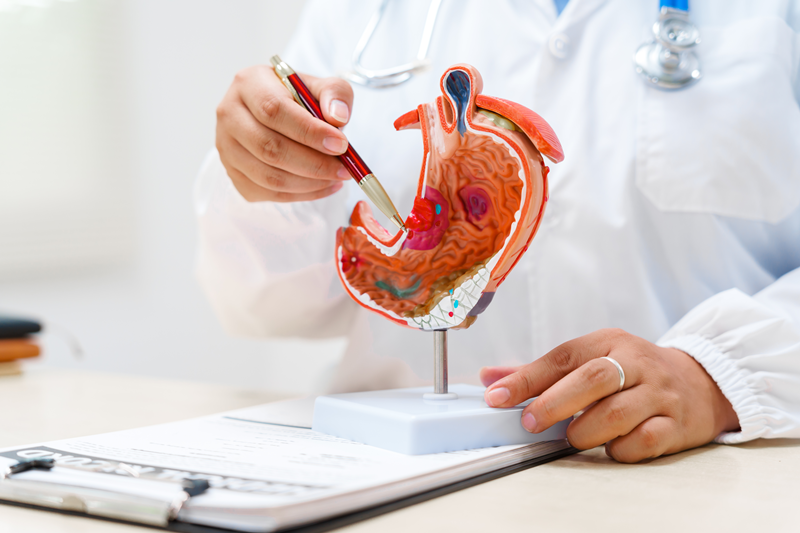
However, we often see cases where people unconditionally choose a sedated endoscopy due to vague fears about non-sedated gastroscopy, or they postpone the examination itself. So today, we would like to calmly organize the pros and cons of non-sedated gastroscopy, who it's recommended for, and useful preparation tips to know before the examination. It's not simply a matter of "can you tolerate it," but rather, we hope you can establish your own criteria for stable gastric health management.
What is Non-Sedated Gastroscopy?
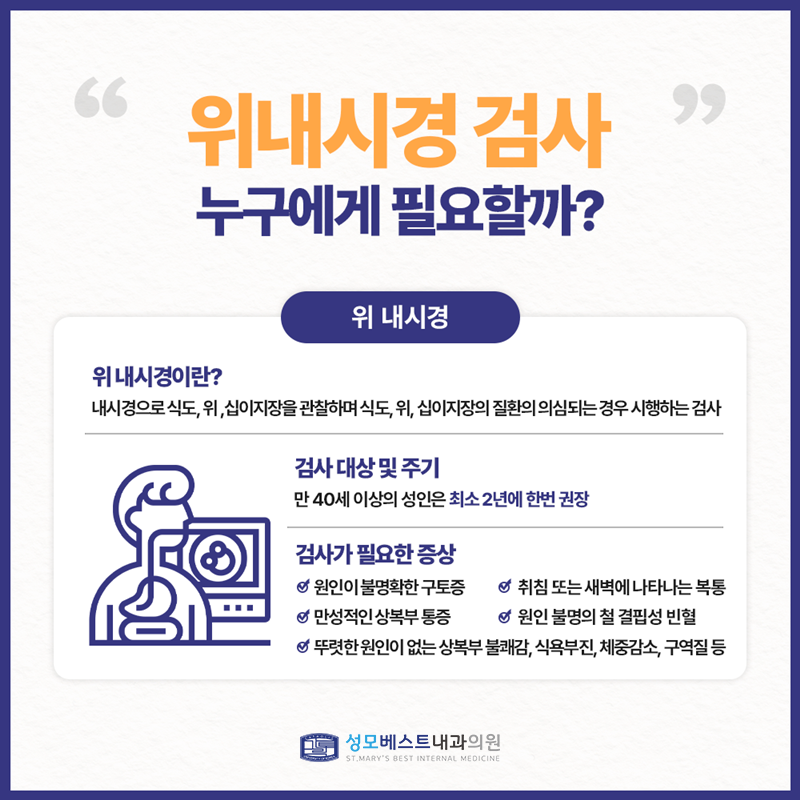
Non-sedated gastroscopy, as the name suggests, is a gastroscopy performed without the use of sedatives (sedation-inducing drugs), while the patient is fully conscious. The patient can feel the endoscope camera passing through the throat, esophagus, stomach, and duodenum, and the examination is conducted while breathing, consciousness, and reactions are all maintained.
Many people ask, "How can you endure that pain?" However, with sufficient local anesthesia and the examiner's skill, it's not uncommon for the examination to be completed more comfortably than expected.
Advantages of Non-Sedated Gastroscopy
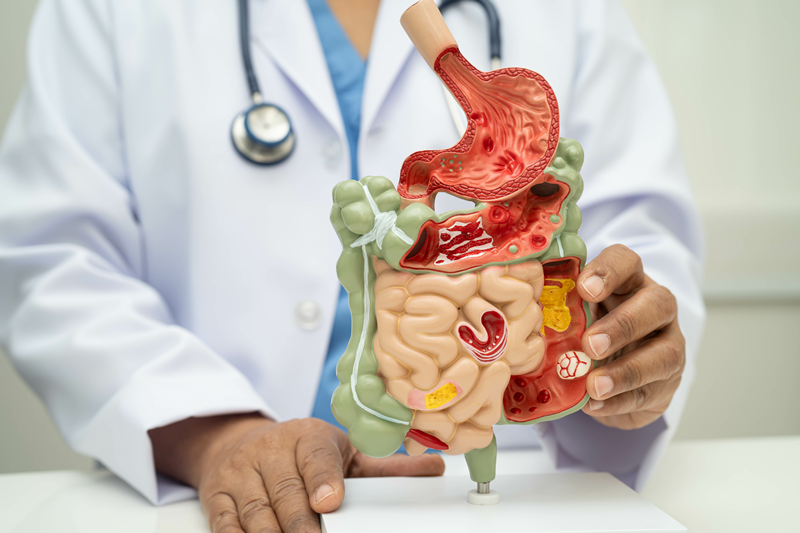
- Immediate identification of adverse reactions during the examination: Sedated endoscopy can lead to adverse reactions such as respiratory depression, hypoxia, or hypotension due to individual differences in response to sedatives. In a non-sedated state, the patient can react immediately and communicate with the medical staff, allowing for prompt response.
- Stability with reduced burden of sedative drugs: For the elderly, individuals with underlying conditions such as heart or lung disease, or those sensitive to sedatives, sedated endoscopy itself can be a burden. Non-sedated examination is an alternative that can reduce such drug-related concerns.
- Quick return to daily life after the examination: After sedated endoscopy, patients need to rest for 1-2 hours in the recovery room, and driving and work are restricted for a day. With non-sedated endoscopy, patients can go home immediately after the examination and there are no restrictions on driving or returning to work.
You Should Also Be Aware of the Disadvantages

- Psychological tension and nausea: The endoscope can irritate the throat, causing a gag reflex, and being conscious can lead to psychological discomfort. In rare cases, the examination may be stopped if the pharyngeal reflex is overly sensitive or anxiety is severe.
- Experience varies depending on the examiner's skill: Smooth and quick passage, especially at the point of entry, is crucial, so the comfort a patient feels can differ depending on which medical institution performs the procedure.
Here's a comparison at a glance:
| Category | Sedated Endoscopy | Non-Sedated Endoscopy |
|---|---|---|
| Consciousness during examination | Sedated state | Maintained |
| Recovery time | 1-2 hours rest required | Go home immediately after completion |
| Driving/Work on the same day | Restricted | No restrictions |
Non-Sedated May Be Suitable for These Individuals
- Elderly individuals at risk of adverse reactions to sedatives.
- Individuals with a history of sedative allergies.
- Individuals with underlying cardiopulmonary or respiratory diseases.
- Individuals who need to return to work immediately after the examination.
- High-risk groups who undergo regular gastroscopy (for quick recovery).
Conversely, if you have a severe gag reflex, anxiety disorder, or examination trauma, sedated endoscopy may be more appropriate. Since it can vary from person to person, it's best to decide together during a consultation before the examination.
Five Preparation Tips Before the Examination
- Avoid irritating foods, smoking, and alcohol the day before. If the gastric mucosa becomes sensitive, irritation may increase during endoscope insertion.
- Fast after 9 PM the night before the check-up. Food remaining in the stomach can obstruct the view and worsen the gag reflex.
- Wear comfortable clothing and maintain a calm mindset. The examination itself is short, lasting about 3-5 minutes, and if you breathe slowly according to instructions, it can be completed relatively smoothly.
- Briefly tolerate the local anesthesia process. The throat anesthetic spray can cause a dull sensation in the tongue and a bitter taste, which is uncomfortable, but it makes the examination much easier.
- Close your eyes and practice diaphragmatic breathing during the examination. This helps reduce anxiety and gag reflexes. If necessary, gently holding the bed with both arms and maintaining deep breaths can also be helpful.
If you are curious about the check-up and endoscopy procedures, checking the Examination Guide in advance can help reduce tension on the day of the procedure.
Ultimately, What Matters is "Getting It Done"
With refined techniques and equipment, non-sedated gastroscopy has become an examination that can be performed much more comfortably and stably than in the past. The advantages of being able to communicate with medical staff during the examination, receive immediate explanations of important findings, and return to daily life immediately after the examination are clear.
Of course, all examination methods have pros and cons, and the appropriate choice may vary depending on an individual's health and psychological state.
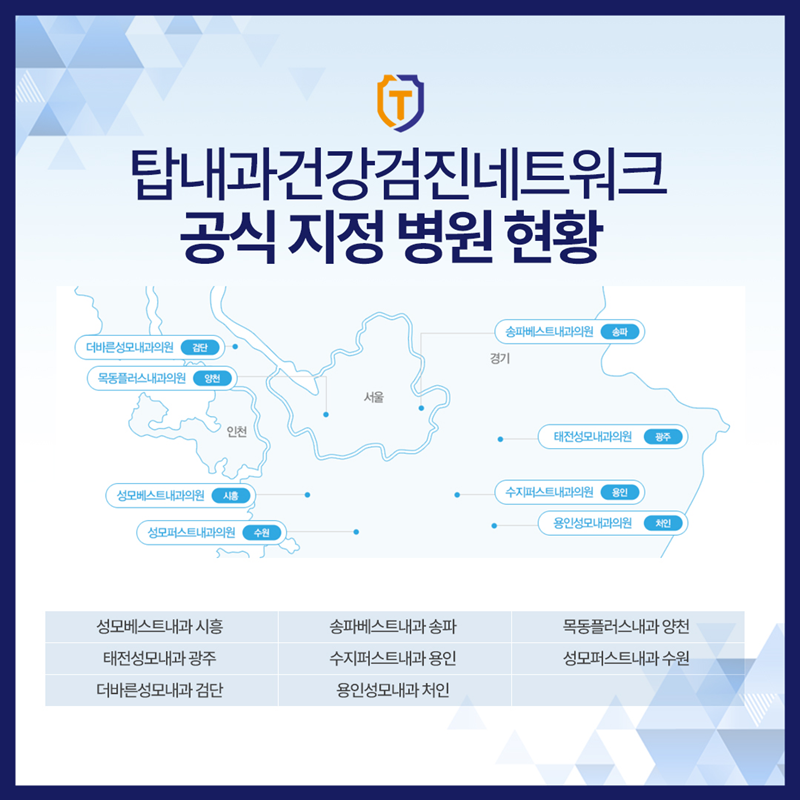
Therefore, at Sungmo Best Internal Medicine in Jangok-dong, Siheung, we do not simply recommend sedated endoscopy, but carefully decide on the examination method together with the patient, tailored to their condition. If you were unfamiliar with or fearful of non-sedated endoscopy, we hope the tips organized today will help you better understand "the method that suits you."
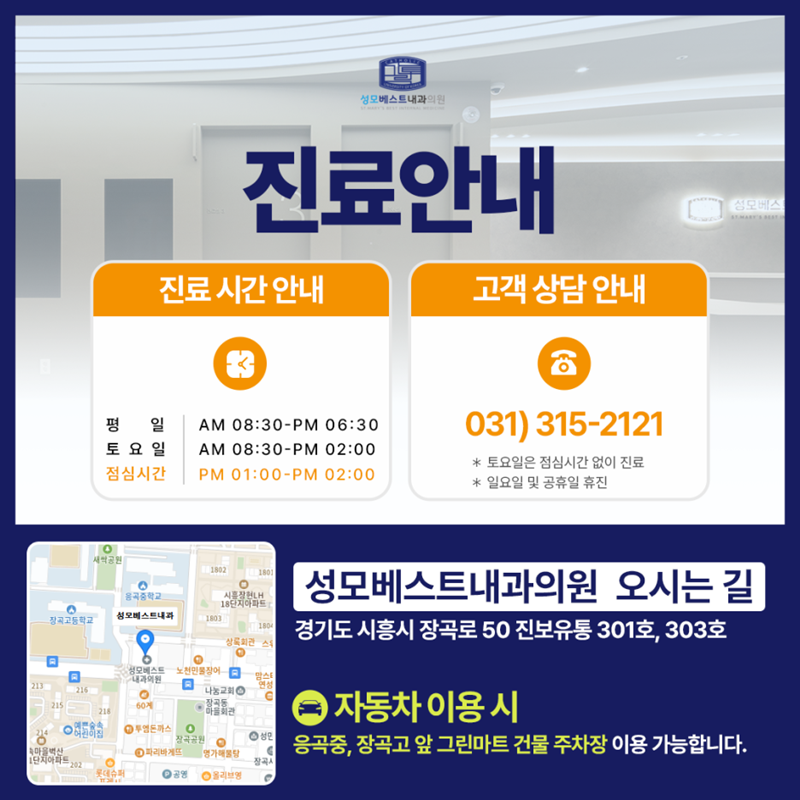
Early diagnosis is key to gastric health. Please remember that the most important thing is "getting it done" itself, rather than "how it's done." By checking the Clinic Hours Guide before your visit, you can receive a comfortable consultation without waiting.
If you have questions about non-sedated gastroscopy, feel free to inquire via chat
Dr. Kim Seonhoo (Specialist in Gastroenterology, Specialist in Gastrointestinal Endoscopy) · Medical Staff Introduction · Last reviewed 2026-08-06