


Hello, this is Sungmo Best Internal Medicine, a gastroscopy clinic in Siheung. Gastroscopy is a highly useful examination, to the extent that it is included as a basic item in regular check-ups. However, there is one thing we always emphasize to those preparing for the examination.
"More important than the examination itself is the preparation before the examination."
It's easy to dismiss it as a simple check-up, but the accuracy of a gastroscopy diagnosis largely depends on how thorough the preparation process was. Today, we will explain step-by-step why gastroscopy is necessary and how to fast.
What is Gastroscopy?
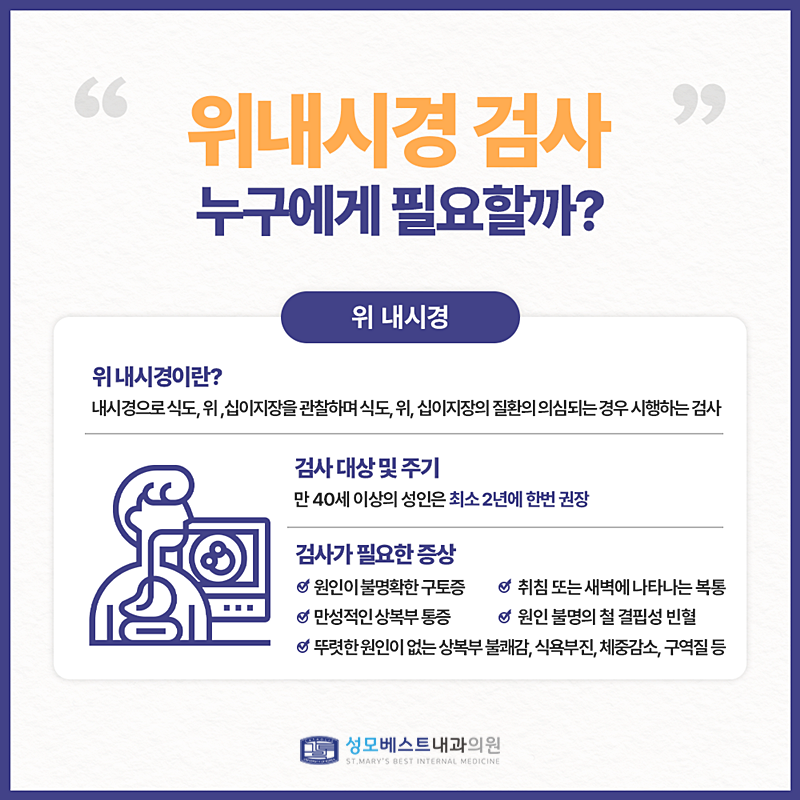
This examination directly observes the upper digestive organs, including the esophagus, stomach, and duodenum, with an endoscope. The diseases primarily checked are as follows:
- Gastritis, reflux esophagitis
- Gastric or esophageal ulcers
- Helicobacter infection
- Early gastric cancer, advanced gastric cancer
- Gastric polyps, dysplastic lesions
Gastric cancer often has no particular symptoms in its early stages, and it's easy to overlook it as common symptoms like heartburn or indigestion. Therefore, it is most ideal to undergo gastroscopy when there are no symptoms. If you are over 40 years old or have a family history of gastrointestinal diseases, we recommend an examination once every 1-2 years. If you are curious about the examination procedure, please check Examination Guide in advance.
Why is Fasting Important?
If food remains in the stomach before the examination, it can obstruct the view, potentially causing lesions to be missed, and there is also a risk of aspiration pneumonia if contents enter the airway.
"Is one banana okay?", "Can I eat porridge since it digests quickly?" These are common questions we hear in the clinic at our Siheung gastroscopy hospital. Regardless of the type of food, if even a small amount of content remains, the reliability of the examination may decrease.
Essential Fasting Principles
| Time | Principle |
|---|---|
| From 8 hours before the examination | No solid food. Includes fruits and porridge. |
| From 2 hours before the examination | No water either. To prevent aspiration risk. |
Eating Habits the Day Before the Examination
- Have a light dinner before 7 PM the day before.
- Avoid greasy and stimulating foods, high-fiber vegetables, and seaweed, as they take a long time to digest.
- Soft and plain foods like white porridge, clear soup, and tofu are suitable.
Precautions on the Day of the Examination
- Fast in the morning. You should not eat even a single bite.
- Blood pressure medication and heart medication can be taken with a small amount of water (within 30ml), but this may vary depending on the situation, so prior discussion with the hospital is essential.
- Diabetes medication and insulin are generally not taken or administered on the day of the examination due to the risk of hypoglycemia.
- Coffee, juice, milk, etc., are all prohibited after dinner the previous day. You should not drink any beverages other than clear water.
Other Things to Prepare Besides Fasting
- Chewing gum and candies for bad breath are also prohibited. Gum chewed inadvertently can remain as stomach contents.
- No smoking immediately before the examination. It stimulates gastric acid secretion and affects the examination.
- Remove dentures, hearing aids, and accessories in advance. This is to prevent accidents that may occur during the examination.
- If it's a sedative (sleep) endoscopy, accompaniment by a guardian is recommended. It is advisable to have an escort for safe return home after sedation.
If Discomfort Causes You to Keep Postponing
"My digestion is fine, do I really need to get it?", "It's uncomfortable to get the examination, so I keep postponing it." Many people say this in the consultation room, and we fully understand their feelings. However, please remember that more than half of early gastric cancer patients are discovered in an asymptomatic state.
Gastroscopy is not just an examination to confirm current pain or discomfort, but a diagnostic tool to proactively find potential future risks. With regular check-ups and thorough preparation, diseases can be detected early, allowing for relatively mild treatment to maintain quality of life. The examination frequency and preparation details may vary for individuals, so we recommend consultation during your visit.
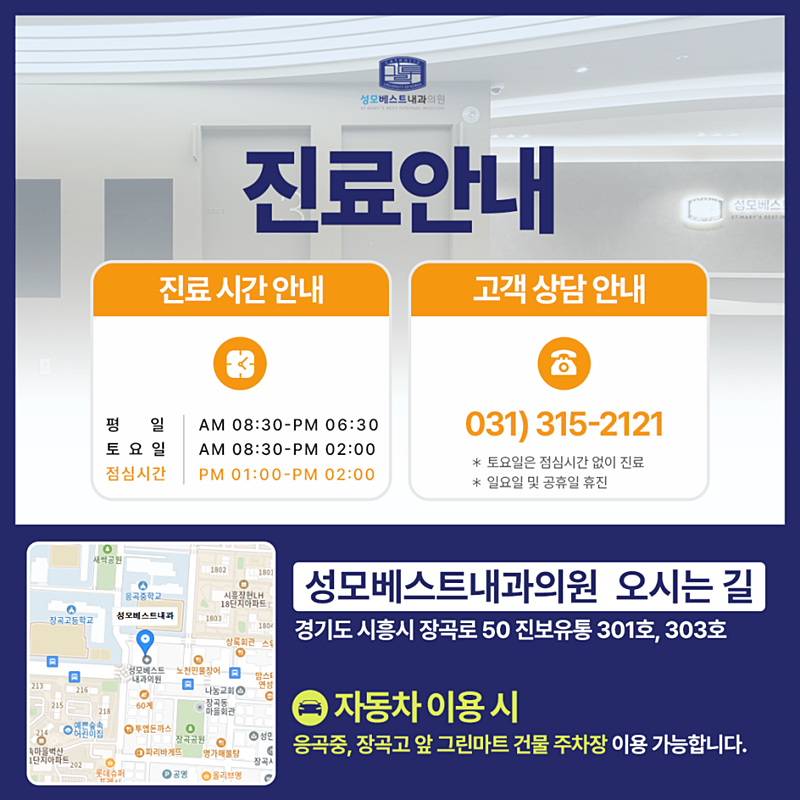
In that sense, gastroscopy is not an option but an essential health management tool. And to fully realize its effectiveness, seemingly minor but important cooperation in preparing before the examination is needed. Please prepare so that you can undergo the examination smoothly according to the medical staff's guidance on the day of the examination. For schedule confirmation before your visit, please refer to Clinic Hours Information.
If you have questions about gastroscopy preparation, please inquire via chat
Dr. Kim Seonhoo (Specialist in Gastroenterology, Specialist in Gastrointestinal Endoscopy) · Meet Our Medical Team · Last Reviewed 2026-08-06