


Hello, this is Sungmo Best Internal Medicine, a Jangok-dong internal medicine clinic that offers cardiovascular examinations. In winter, when the weather gets colder, there are certain diseases whose incidence rate rapidly increases. These are heart diseases, including myocardial infarction. The heart is an organ that acts as a pump to supply blood to the entire body, so it is an area that needs to be carefully monitored to prevent even minor problems.
In fact, a considerable number of patients die from cardiovascular problems, so particular caution is required. Hypertension, myocardial infarction, arteriosclerosis, and stroke are all included in these cardiovascular diseases.
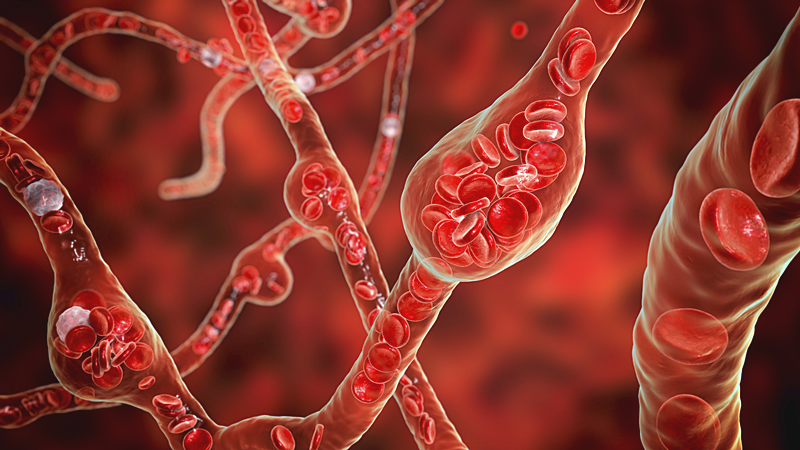
Why should you get a cardiovascular examination in advance?
Vascular diseases that appear not only in the heart but also in the surrounding arteries have common characteristics. It is difficult to detect symptoms early and take action in advance. Therefore, regular examinations are essential, and if you feel even mild symptoms or have a family history, it is safer to visit a Jangok-dong internal medicine clinic immediately for a detailed examination.
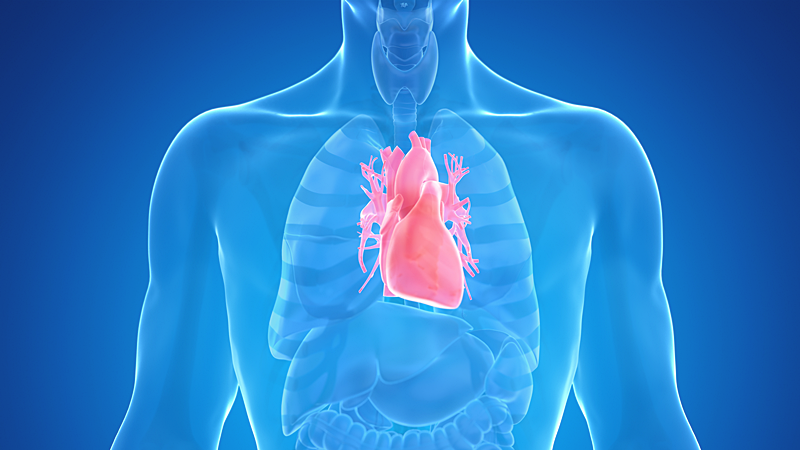
If the coronary arteries narrow or become blocked, it can lead to angina or myocardial infarction. If cerebral blood vessels become blocked or rupture, it can cause fatal damage or endanger life due to cerebral infarction or cerebral hemorrhage. These are dangerous diseases, considered major causes of death worldwide. If action is taken after a problem occurs, it can only suppress progression, and it is difficult to return to the previous state. Therefore, prevention is key.
If you have these signs, hurry up and get an examination.
Although the initial symptoms vary slightly for each disease, there are common signs.
- Chest pain
- Severe palpitations
- Shortness of breath
- Chronic fatigue
- Dizziness
If these symptoms continue without action, they can escalate into a serious situation, so caution is needed.
Cardiovascular examination items at Jangok-dong Internal Medicine
1. Blood Pressure Measurement
This is the most basic and essential item. High blood pressure is a major risk factor for heart disease and stroke, so the habit of regular measurement and management is important. Generally, 120/80 mmHg or less is considered within the normal range, and if it is higher than this, active management is necessary.
2. Blood Test
You might wonder what a blood test has to do with cardiovascular health, but total cholesterol, LDL (bad cholesterol), HDL (good cholesterol), and triglyceride levels show the risk of cardiovascular disease. Glycated hemoglobin (HbA1c) and C-reactive protein (CRP) levels are also checked together.

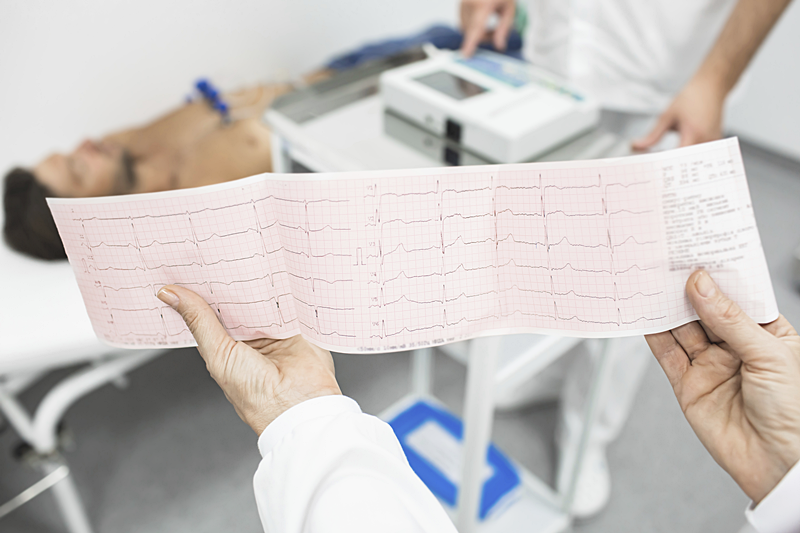
3. Electrocardiogram (ECG)
This test records the electrical activity of the heart to evaluate heart rhythm and conduction abnormalities. It can detect myocardial infarction, arrhythmia, and cardiac hypertrophy early, and it has the advantage of being non-invasive and providing results in a short time.
4. Echocardiogram
This test evaluates the structure and function of the heart using ultrasound. It can check the size of the heart, the thickness of the heart wall, and valve function, making it a useful test for diagnosing heart failure or heart disease.
5. Cardiac CT and MRI
These tests are not recommended for everyone but are performed when more detailed confirmation is needed. They help visualize the cardiovascular structure in detail for early detection of diseases and are actively used, especially when the condition of the heart arteries needs to be checked. If you are curious about the screening and examination preparation procedures, you can check them in the Examination Guide.
Management after the examination is the real beginning.
It should not end with just getting an examination. If abnormal findings or risk factors are identified, follow-up management such as lifestyle improvements, medication, and regular check-ups should continue. Therefore, we recommend choosing a Jangok-dong internal medicine clinic that can provide both examinations and treatment from the start.
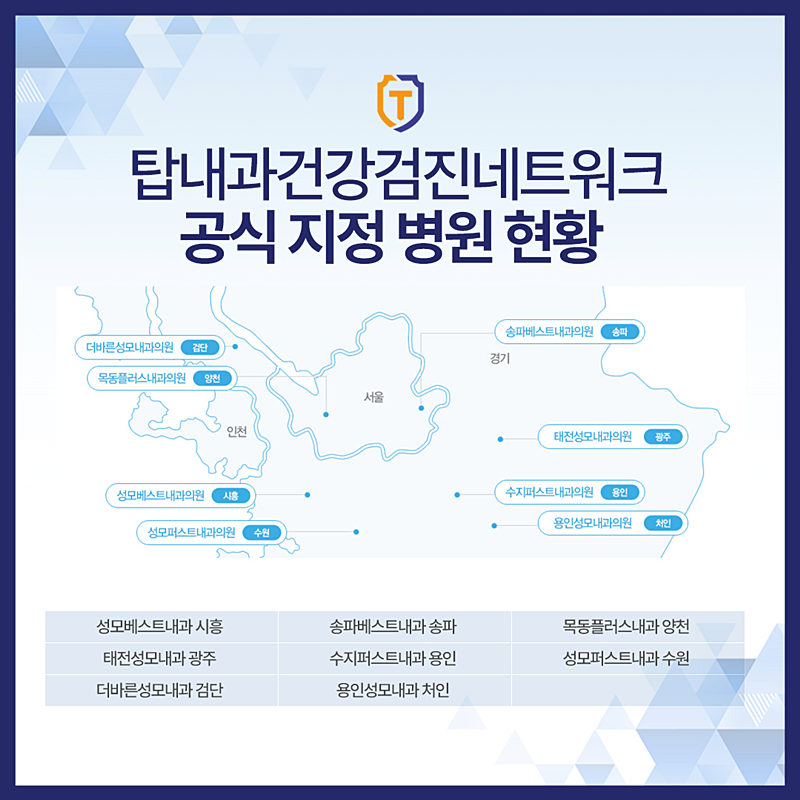
Cardiovascular examinations performed at Sungmo Best Internal Medicine in Jangok-dong, Siheung, play an important role in the early detection and prevention of diseases. Please remember that checking your cardiovascular condition through regular examinations and taking necessary measures is not an option but a necessity. This is because it is a group of diseases that can be sufficiently prevented with a little attention. Checking the Clinic Hours Guide before your visit can help you schedule your examination.


Please feel free to ask any questions about cardiovascular examinations via chat.
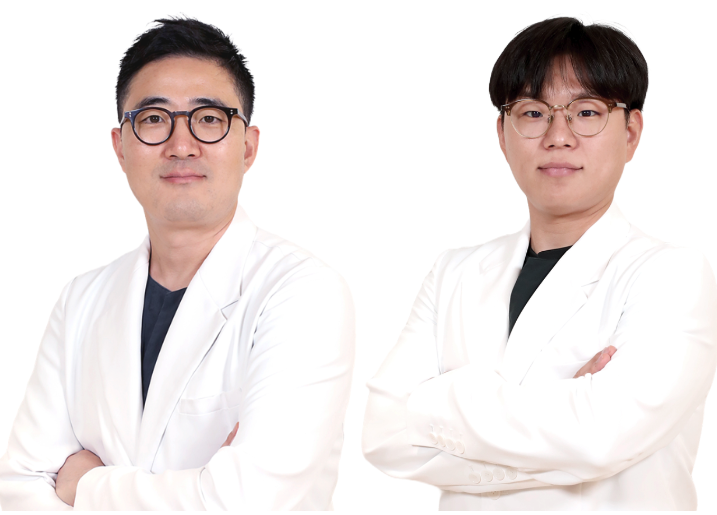
Dr. Kim Seonhoo (Specialist in Gastroenterology, Specialist in Gastrointestinal Endoscopy) · Meet Our Medical Team · Last reviewed 2026-08-06